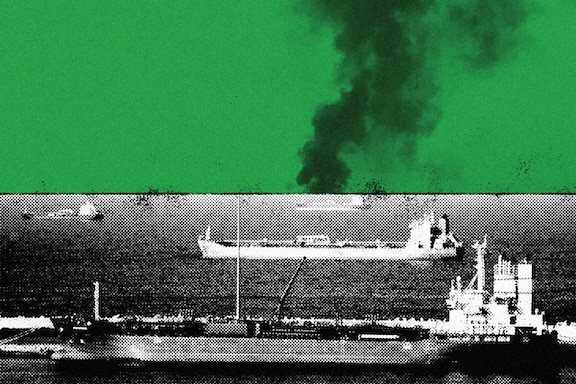
«Vi spiego perché la crisi energetica sarà duratura. E una tregua non basterà»
L’analista della Columbia University, Karen Young: «Insufficiente lo sblocco delle riserve strategiche di petrolio. Per l’Europa conseguenze peggiori ris...
Current Access Level “I” – ID Only: CUID holders, alumni, and approved guests only
A mass transition to green energy could help to quell future international conflicts that stem from the control of oil, energy and climate change experts told ABC News.
Many consider a widespread war in the Middle East the worst-case scenario for the global oil and gas market. That war is here, and it could have wide-ranging, long-lasting impacts on energy and climate policy. This week on Zero, Akshat Rathi speaks with Jason Bordoff to try to understand what those impacts could look like.
I’m en route home after a week in Europe—first at the Oslo Energy Forum and then at the Munich Security Conference. Munich generated considerable news and drama, but...
As the train pulls away from Davos Dorf station through the snow-capped Swiss mountains, I find myself reflecting on a rather extraordinary week at the World Economic Forum’s Annual Meeting in Davos. While many questioned Davos’ continuing relevance last year, it is difficult to argue that this year’s gathering was not among the most consequential in recent memory, shaped in large part by President Trump’s dominant presence throughout the week’s discussions.
The war in Iran is not just another energy shock. It is arriving at a moment when Europe is already under cumulative strain: a war on its eastern border, the lingering aftershocks of the 2022 energy crisis, industrial decline, political fragmentation, fiscal limits, and a widening debate over how much of its own security it must now provide.
Without transatlantic alignment, we risk forfeiting the very advantages our alliance was built to protect.
CGEP scholars reflect on some of the standout issues of the day during this year's Climate Week