«Vi spiego perché la crisi energetica sarà duratura. E una tregua non basterà»
L’analista della Columbia University, Karen Young: «Insufficiente lo sblocco delle riserve strategiche di petrolio. Per l’Europa conseguenze peggiori ris...
Current Access Level “I” – ID Only: CUID holders, alumni, and approved guests only
Get the latest as our experts share their insights on global energy policy.
On February 28, the US and Israel launched new attacks on Iran targeting primarily the country's leadership, security forces, and missile program.
Hear in-depth conversations with the world’s top energy and climate leaders from government, business, academia, and civil society.
The Iran conflict has rapidly expanded, drawing in actors across the Middle East and raising concerns about broader regional escalation.
Find out more about our upcoming and past events.
This roundtable is open only to currently enrolled Columbia University students. To register, you must sign in with your UNI. The Center on Global Energy Policy (CGEP) at...

Climate Scientist
Last week, the UN Intergovernmental Panel On Climate Change released its new climate science report. The report is a blistering reminder that even if we stop burning fossil fuels today, the planet is locked into decades of warming and adverse climate outcomes.
On this episode, host Bill Loveless interviews Climate Scientist Dr. Kate Marvel for her interpretation of the report’s conclusions. She’s a Research Scientist at the Center For Climate Systems Research at Columbia University and a scientist at NASA’s Goddard Institute for Space Studies.
Kate doesn’t have “hope” that we can slow climate change and transition away from fossil fuels, but she has something she says is better: Certainty that we have knowledge, tools and technology we need today to start decarbonizing rapidly.
The Iran conflict has rapidly expanded, drawing in actors across the Middle East and raising concerns about broader regional escalation.
Nearly a month in, the conflict in Iran appears to have hit a critical inflection point. Over the weekend, President Trump gave Iran a 48-hour ultimatum to open...
As the conflict in the Middle East enters its 20th day, events on the ground have shifted into a critical new phase marked by direct strikes on core...
The climate policy landscape in the US is in flux. Last month, the Environmental Protection Agency repealed its own power to regulate greenhouse gases. Two weeks later, the...
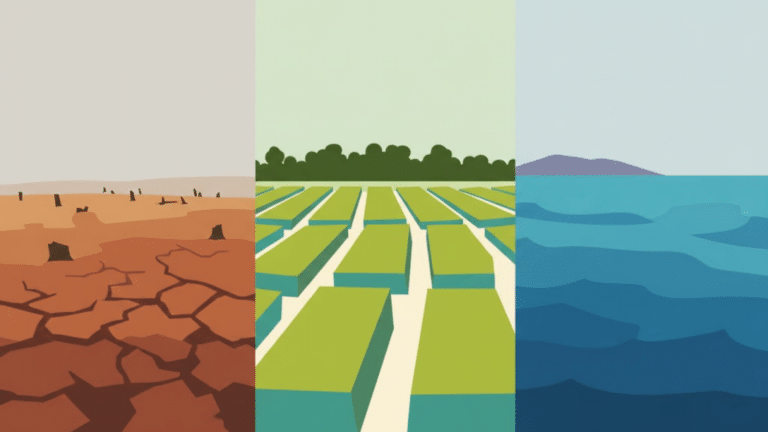
In January 2026, the UK government publicly released an intelligence report analyzing the security implications of global environmental destruction.
Models can predict catastrophic or modest damages from climate change, but not which of these futures is coming.

On November 6, 2025, in the lead-up to the annual UN Conference of the Parties (COP30), the Center on Global Energy Policy (CGEP) at Columbia University SIPA convened a roundtable on project-based carbon credit markets (PCCMs) in São Paulo, Brazil—a country that both hosted this year’s COP and is well-positioned to shape the next phase of global carbon markets by leveraging its experience in nature-based solutions.
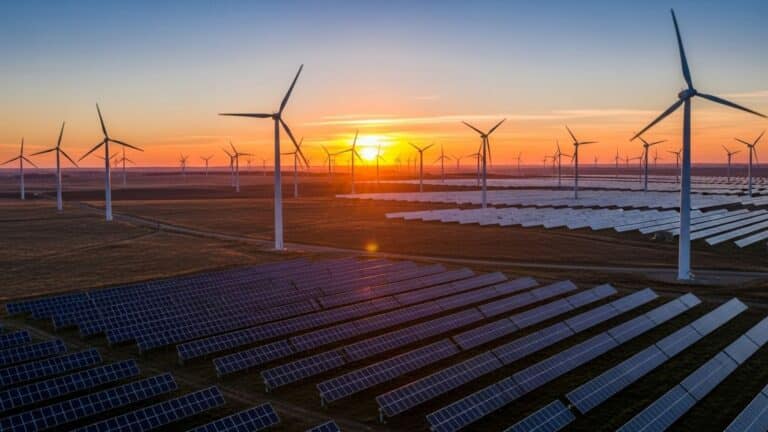
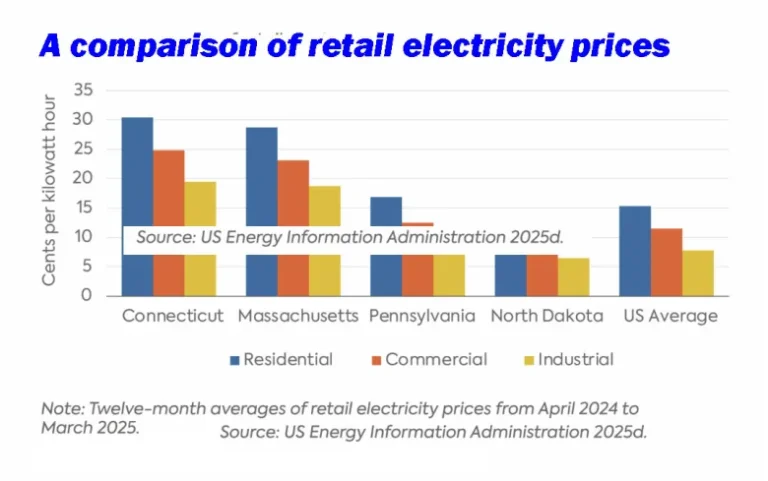
Connecticut needs an honest debate, and fresh thinking, to shape a climate strategy fit for today, not 2022.