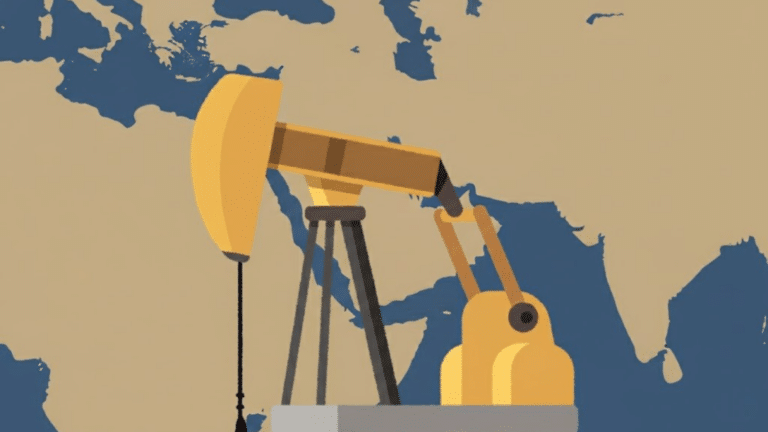
War With Iran Isn’t Just an Oil Story
The U.S.-Israeli campaign will have, if anything, bigger implications for liquified natural gas.
Current Access Level “I” – ID Only: CUID holders, alumni, and approved guests only
Get the latest as our experts share their insights on global energy policy.
On February 28, the US and Israel launched new attacks on Iran targeting primarily the country's leadership, security forces, and missile program.
Hear in-depth conversations with the world’s top energy and climate leaders from government, business, academia, and civil society.
On February 28, the United States and Israel launched a campaign against Iran targeting military infrastructure and the regime's core leadership. Supreme Leader Ayatollah Ali Khamenei and several...
Find out more about our upcoming and past events.
On February 28, the United States and Israel launched an attack on Iran, resulting in the deaths of Iranian Supreme Leader Ali Hosseini Khamenei and senior Iranian leaders...

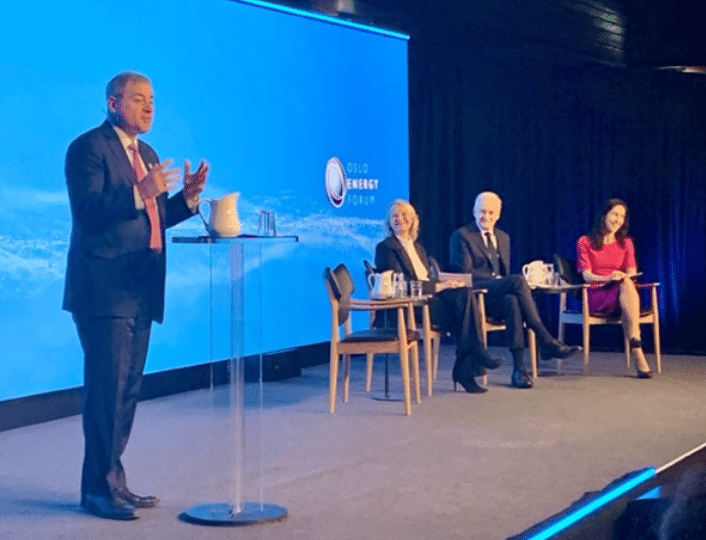
I’m en route home after a week in Europe—first at the Oslo Energy Forum and then at the Munich Security Conference. Munich generated considerable news and drama, but...
Rhode Island Gov. Dan McKee is pushing to rewrite renewable energy laws, aiming to cut utility bills by $1 billion over five years. The plan includes reviewing solar project payments and has drawn mixed reactions.
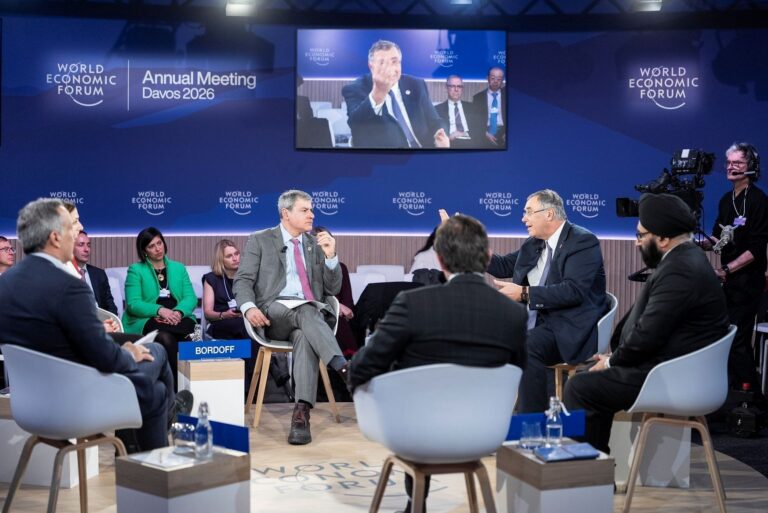
As the train pulls away from Davos Dorf station through the snow-capped Swiss mountains, I find myself reflecting on a rather extraordinary week at the World Economic Forum’s Annual Meeting in Davos. While many questioned Davos’ continuing relevance last year, it is difficult to argue that this year’s gathering was not among the most consequential in recent memory, shaped in large part by President Trump’s dominant presence throughout the week’s discussions.
The arrest of Venezuelan President Nicolas Maduro, on Saturday, sent shockwaves across the globe. And although the targeted military operation was a success, th

On February 28, the US and Israel launched new attacks on Iran targeting primarily the country's leadership, security forces, and missile program.
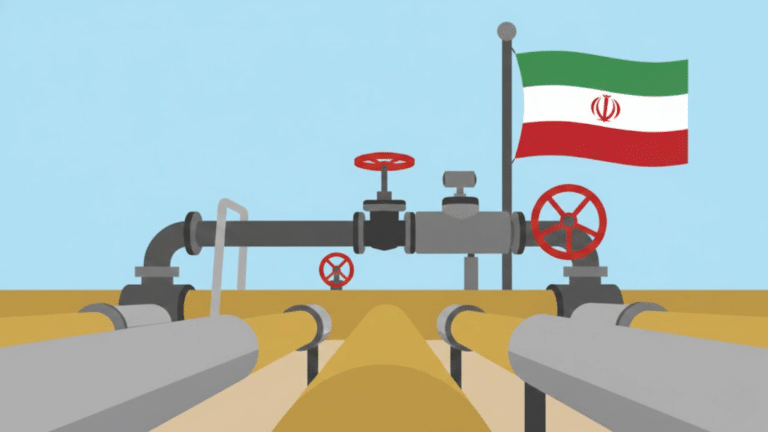
Iran has among the world's largest natural gas resource bases, but its ability to supply regional and global markets is constrained by sanctions, underinvestment, and limited export infrastructure.
Multiple US–Iran conflict scenarios carry materially different risks for global oil infrastructure, transit routes, and prices.