Top discussion points
• Fashion’s transition is closely tied to the global energy transition, requiring cleaner industrial energy and a move away from fossil-based production.
• Trade and geopolitics shape the cost and feasibility of fashion’s transition because energy disruptions, tariffs, and variable trade rules can raise costs across global fashion supply chains.
• Materials and circularity solutions require a systems approach that addresses emissions, water, pollution, durability, and waste while meeting industry requirements for quality, price, and scale.
• Financing and policy must bring brands, suppliers, and policymakers into alignment around incentives in cleaner production across the supply chain.
Introduction
On September 21, 2026, the Fashion, Energy, and Climate Network at the Columbia Climate School and the Center on Global Energy Policy at Columbia University SIPA convened the inaugural Columbia Fashion, Energy, and Climate Summit, in partnership with the Global Fashion Agenda and with support from Apparel Impact Institute and the Bezos Earth Fund. Under the theme Fashion and the Climate Future, the summit brought together participants from fashion, energy, business, finance, academia, policy, and design to examine how energy systems, materials, markets, trade, finance, regulation, and culture are reshaping the industry.
In the opening keynote, Columbia Climate School Dean Alexis Abramson emphasized that fashion, the energy transition, and climate change are closely linked. Energy powers the full lifecycle of a garment, from fiber processing and dyeing to factories, logistics, laundering, repair, and recycling. As she put it, “The energy transition is not peripheral to the future of fashion. It is woven through it.” The sessions that followed examined how energy and material choices affect fashion production, and how trade, financing, regulation, and design can shape the industry’s transition. The following summarizes key insights that emerged from the discussion.
Fashion’s transition is also an energy and industrial transition
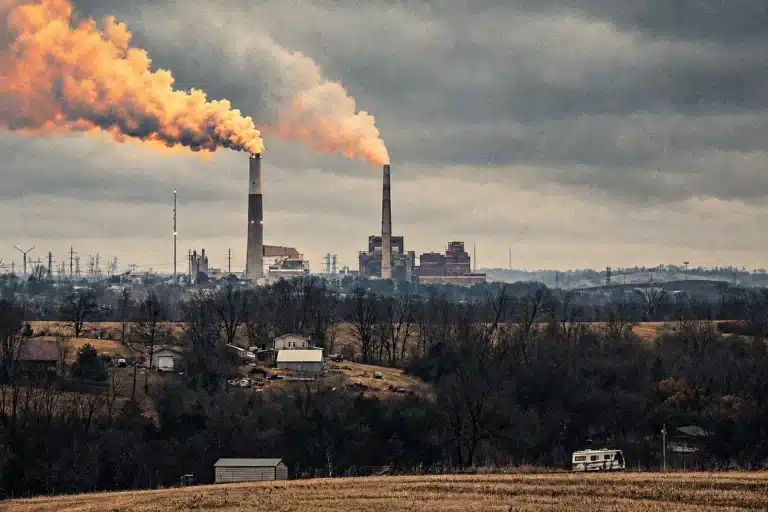
On fashion’s industrial transition, participants noted that much of fashion’s climate impact occurs upstream, before a garment reaches a store. Producing yarn, fabric, and finished clothing requires machinery, electricity, and heat. Dyeing, for example, uses large quantities of heat and water. Emissions from these processes depend partly on the fuels burned in factories and the sources of electricity available in manufacturing regions. Fossil fuels also supply material inputs: petrochemicals made from oil are used to produce synthetic fibers such as polyester. Cleaner factory electricity does not, by itself, change the fossil-based materials used in those fabrics.
The discussion also highlighted methane emissions linked to livestock-derived materials, such as leather, wool, and cashmere. This broadens the industry’s climate footprint beyond carbon dioxide from energy use. These considerations also brought the challenges of sustainable luxury into focus, with participants questioning the use of inexpensive polyester in high-priced products and weighing the trade-offs involved in using natural materials. Examples raised included incorporating deadstock textiles, reducing packaging waste, and designing for durability, illustrating how environmental choices intersect with profit margins and product strategy.
One participant cited China’s power transition as an example of how changing energy systems shape fashion’s emissions. As the participant explained, expanding non-fossil electricity requires investment in storage and long-distance transmission, as well as power-market reform. These changes help reduce emissions from textile manufacturing because factory electricity emissions depend on the power supply in the locations where production takes place.
Energy security, geopolitics, and trade affect supply-chain resilience
Fashion’s reliance on global energy and materials markets makes it vulnerable to disruptions, even when they occur far from where clothing is sold. Participants discussed how conflict in the Middle East disrupted energy supplies and petrochemical feedstock exports to China and raised oil prices and shipping costs. Because oil is key to producing synthetic fibers and fuel is essential to moving goods, these disruptions increased costs across the fashion value chain. One participant noted that earlier decisions to use recycled polyester or lower-carbon shipping could have reduced exposure to these price increases.
Trade is equally central to these supply-chain dynamics. Participants emphasized that textiles and apparel constitute a major globally traded sector, with production concentrated in parts of South and Southeast Asia. As in other internationally traded industries, the transition to more sustainable production raises questions about how to maintain competitiveness and share costs among governments, brands, suppliers, and consumers. Conditions in major manufacturing economies can therefore affect businesses far beyond their borders.
Climate change adds risks at the factory level. Participants described the health consequences of extreme heat for garment workers, especially where equipment and processes make indoor temperatures hotter than outdoors. As they pointed out, brand purchasing terms and delivery deadlines can constrain suppliers’ ability to reduce or pause production during dangerous heat, while unreliable electricity can lead factories to burn diesel to keep operating. Resilience thus depends on production conditions, not only sourcing locations.
Lower-impact materials must be practical as well as innovative
Participants cautioned that materials cannot be considered “low impact” based on carbon emissions alone. Water use, pollution, farming practices, human health, durability, and the ability to reuse or recycle also matter. Changing materials may reduce one impact while increasing another.
Participants discussed technologies that could help reduce environmental impacts earlier in production. Several researchers described using machine learning and cotton genetics to identify varieties suited to different growing conditions. Others described how biofabrication—the use of biological processes to create materials—can lead to alternatives to conventional textiles. Examples raised included silkworms engineered to produce colored silk and cotton that grows with color, both of which could reduce the need for dyeing. Participants also considered lessons from research on degradable medical materials, the potential for digital models to identify manufacturing waste, and whether textile and footwear waste could find new uses in construction materials.
Yet, as participants noted, technical promise does not guarantee adoption. New technologies must meet requirements for appearance, quality, price, performance, and large-scale production. Farmers and manufacturers also need an incentive and the capacity to make the change. Speakers stressed the value of involving farmers and manufacturers early in the development process, rather than developing an innovation first and looking for a supply chain afterward. While new technologies are still in development, using existing material stock, repairing products, and improving textile sorting can reduce waste.
Transition finance must account for who pays and who benefits
The financing discussion highlighted a structural challenge: the businesses expected to invest in decarbonization are not always those that receive its most visible benefits. A textile supplier may need to borrow money for efficient equipment or cleaner production processes, even though the factory serves many brands. As participants observed, the resulting emissions reductions help those brands meet their Scope 3 goals, which cover indirect emissions in their value chains. The supplier, meanwhile, remains responsible for the debt and for keeping production running during installation.
Participants discussed how this mismatch explains why capital alone is insufficient. Suppliers may need technical advice to select suitable equipment, reliable orders to justify repayment, and agreement among customers on how a new process will affect product specifications. For example, a factory may be reluctant to invest in waterless dyeing if its brand customers disagree about the technology or will not accept initial adjustments in product quality.
One collaborative approach discussed at the summit involved bringing together brands that share suppliers to agree on which decarbonization projects to support. Technical assistance can help define the investments, while commercial-bank loans backed by brand guarantees can reduce the suppliers’ financing costs. Participants also stressed that decisions should account for the cost of inaction, including exposure to future energy prices, regulation, and disrupted production. Financing mechanisms must align demand, risk, and benefits, not simply provide loans.
Regulations are changing the terms of global fashion trade
Global Fashion Agenda, the summit’s event partner, hosted its Policy Master Class during the summit, examining how sustainability rules are being integrated into everyday business operations. Emerging European requirements on product design, traceability, waste, and extended producer responsibility could compel companies selling into EU markets to change how they source materials and document products. Extended producer responsibility, for example, makes producers responsible for managing products after their useful life has ended, creating financial incentives to incorporate collection and recycling considerations into product design.
Because fashion supply chains span many countries, rules adopted in one major consumer market can affect manufacturers elsewhere. Participants compared the EU’s broad policy agenda with a more fragmented US approach, where state-level measures play a larger role. Different reporting definitions and product requirements can make compliance costly, particularly for suppliers selling to brands in several markets. Greater alignment among regulatory frameworks could reduce that burden while maintaining environmental objectives.
Participants also questioned whether new rules would create opportunities for manufacturing countries or mainly impose obligations on them. Building circular supply chains across borders will require investment in collection and sorting systems, recycling facilities, and workforce skills in producing economies, including in the Global South. Yet collecting and processing used textiles can cost more than making products from virgin materials. Participants suggested that investment and trade rules therefore must support demand for recovered fibers and markets where circular materials can be sold.
Design and culture can help make circularity viable
Designers help determine which materials are used, how garments are constructed, and whether they can be repaired, reused, or given another life. The final panel highlighted approaches such as zero-waste cutting and using deadstock textiles, which reduce waste during design and production rather than addressing it only afterward.
Independent designers may have limited budgets for researching new materials, but participants described creative experimentation and cooperation as valuable resources. For example, small brands can pool orders to meet a material supplier’s minimum purchase requirement. At the same time, a business need not follow a single growth model: smaller collections, longer-lasting products, and more direct customer relationships can support different approaches to making and selling clothes.
Participants also observed that culture influences whether these models succeed. Repair, craftsmanship, secondhand markets, and garments with personal or historical meaning can encourage people to keep using what they own. Keeping garments in use longer can reduce demand for new materials.
Looking Ahead
The summit demonstrated why fashion’s energy and climate transition cannot be addressed within fashion alone. Textile manufacturing depends on the energy systems of producing countries, and material choices connect the industry to oil, agriculture, and other industries. Trade and policy determine the conditions under which products enter markets, while financing arrangements influence whether factories can invest in cleaner production.
Participants concluded that turning ambition into action will require materials that can be produced at scale, financing and reliable orders that suppliers can count on, and buyers for reused products and recycled fibers. Progress will also depend on linking scientific research with decisions in design, manufacturing, finance, and policy. By bringing these communities together, the summit provided a forum to explore how choices across all these areas can reinforce one another.
Annex: Summit Speakers and Moderators
Alexis Abramson —Dean, Columbia Climate School
Liz Alessi — Founder, The Crisis of Stuff
Vanessa Barboni — Founder, Co-CEO, and Executive Chair, Another Tomorrow
Sheena Butler-Young — Senior Correspondent, The Business of Fashion
Tricia Carey — Chief Commercial Officer, Avalo
Jasmin Chua — Climate and Labor Editor, Sourcing Journal
Erica Downs — Senior Research Scholar, Center on Global Energy Policy, Columbia University
Sandra Goldmark — Associate Dean for Engagement and Impact, Columbia Climate School
Emma Håkansson — Founder, Collective Fashion Justice
Gabriela Hearst — Founder and Creative Director, Gabriela Hearst
Kevin Karl — Co-Director, Fashion, Energy, and Climate Network, Columbia Climate School
Kelley Kizzier — Director, Materials and Manufacturing Innovation, Bezos Earth Fund
Sara Kozlowski — Senior Vice President of Program Strategies, Education and Sustainability Initiatives, Council of Fashion Designers of America (CFDA)
Ulrika Leverenz — Founder, Impact Value Advisory; Former Head of Green Investments, H&M Group
Kristina Elinder Liljas — Senior Director, Sustainable Finance and Engagement, Apparel Impact Institute
Helen H. Lu — Percy K. and Vida L.W. Hudson Professor of Biomedical Engineering, Columbia Engineering
Federica Marchionni — CEO, Global Fashion Agenda
Randi Marshall — Head of Sustainability and Public Affairs, H&M Americas
María Luisa Martínez Díez — Vice President of Public Affairs, Global Fashion Agenda
Mary Ann Ormond — Senior Director, Company Network, Ceres
Sally Qiu — Co-Director, Fashion, Energy, and Climate Network, Columbia Climate School; Senior Research Associate, Center on Global Energy Policy, Columbia University
Indré Rockefeller — Founder, The Circularity Project
Trevor Sutton — Director, Program on Trade and the Clean Energy Transition, Center on Global Energy Policy, Columbia University
Tom Szaky — Founder and CEO, TerraCycle
Bella Webb — Sustainability Editor, Vogue Business