«Vi spiego perché la crisi energetica sarà duratura. E una tregua non basterà»
L’analista della Columbia University, Karen Young: «Insufficiente lo sblocco delle riserve strategiche di petrolio. Per l’Europa conseguenze peggiori ris...
Current Access Level “I” – ID Only: CUID holders, alumni, and approved guests only
Get the latest as our experts share their insights on global energy policy.
On February 28, the US and Israel launched new attacks on Iran targeting primarily the country's leadership, security forces, and missile program.

Hear in-depth conversations with the world’s top energy and climate leaders from government, business, academia, and civil society.
The Iran conflict has rapidly expanded, drawing in actors across the Middle East and raising concerns about broader regional escalation.
Find out more about our upcoming and past events.
This roundtable is open only to currently enrolled Columbia University students. To register, you must sign in with your UNI. The Center on Global Energy Policy (CGEP) at...

Senior Research Associate
India Sub-Saharan Africa North America Energy Justice Energy Security

Electricity demand in the state could increase by nearly 70% by 2030, thanks to the expansion of electric heat as well as large projects like data centers.
Recent election results and evidence from states show misgivings about the growth of AI and the ramifications for energy costs and the environment.
Most African countries today are faced with a dual challenge: how to industrialize and expand electricity access at the same time.
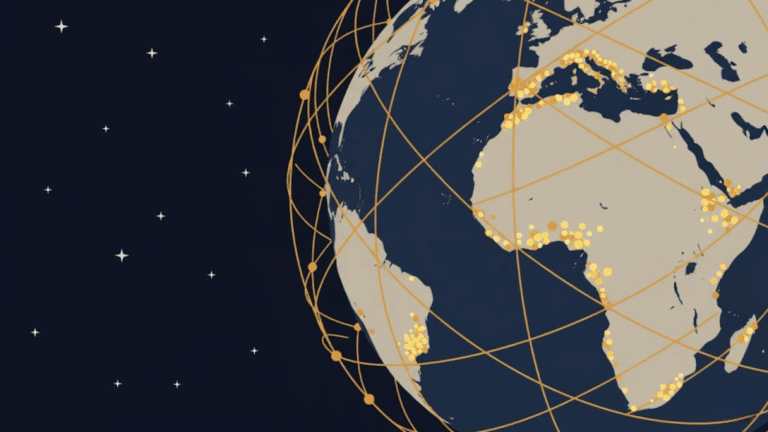
Artificial intelligence is driving a massive technological transformation that is already reshaping many aspects of daily life.

CGEP scholars reflect on some of the standout issues of the day during this year's Climate Week

Nearly one-third of U.S. households consider cost before turning on a heating system during winter or powering up a cooling system during summer, potentially endangering their health.
30 years ago last month, a brutal heatwave struck Chicago, killing more than 700 residents. As the city and much of the United States recently experienced another period of extreme heat, this anniversary serves as a reminder that heat remains one of the deadliest climate-related hazards — killing more people each year than hurricanes, floods and tornadoes combined — particularly for communities burdened by decades of disinvestment and structural barriers to health and safety.