This Energy Explained post represents the research and views of the author(s). It does not necessarily represent the views of the Center on Global Energy Policy. The piece may be subject to further revision. Contributions to SIPA for the benefit of CGEP are general use gifts, which gives the Center discretion in how it allocates these funds. More information is available here. Rare cases of sponsored projects are clearly indicated.
The Center on Global Energy Policy at Columbia University SIPA is closely following the escalating conflict in Iran and its implications for US national security, Middle East geopolitics, and global energy markets. See all of our coverage here.
- The disruption of China’s energy imports through the Strait of Hormuz may prompt Beijing to deepen its energy trade with Russia, which is presenting itself as a politically safer and logistically more resilient supplier than countries in the Middle East.
- Signposts to watch for include progress on the long-discussed Power of Siberia 2 natural gas pipeline, greater use of the Northern Sea Route to deliver Russian energy to China, and increased helium exports from Russia to China.
- Whether the conflict prompts China to substantially deepen energy trade with Russia will largely depend on its tolerance for increased energy reliance—a break from its longstanding policy of avoiding dependence on any single supplier.
The Iran conflict could increase the appeal of Russia as an energy supplier for China, as the effective closure of the Strait of Hormuz—through which China imported about half of its oil and a third of its LNG last year—compels Beijing to seek alternative supply routes. Although some Iranian oil likely continues to reach China due to Iran’s control of the Strait, and Saudi Arabia and the United Arab Emirates are likely sending limited barrels via export terminals that avoid the Strait, China still faces a sizeable crude oil and liquefied natural gas (LNG) shortfall. Exacerbating matters for China, QatarEnergy’s CEO stated that damage to its Ras Laffan LNG facility from Iranian attacks would force the company to declare force majeure on some LNG supply contracts with Chinese buyers. In response, China’s national oil companies, which suspended purchases of Russian seaborne crude after the United States sanctioned Russia’s Rosneft and Lukoil in October, are now seeking Russian cargoes again, perhaps signaling future trends.
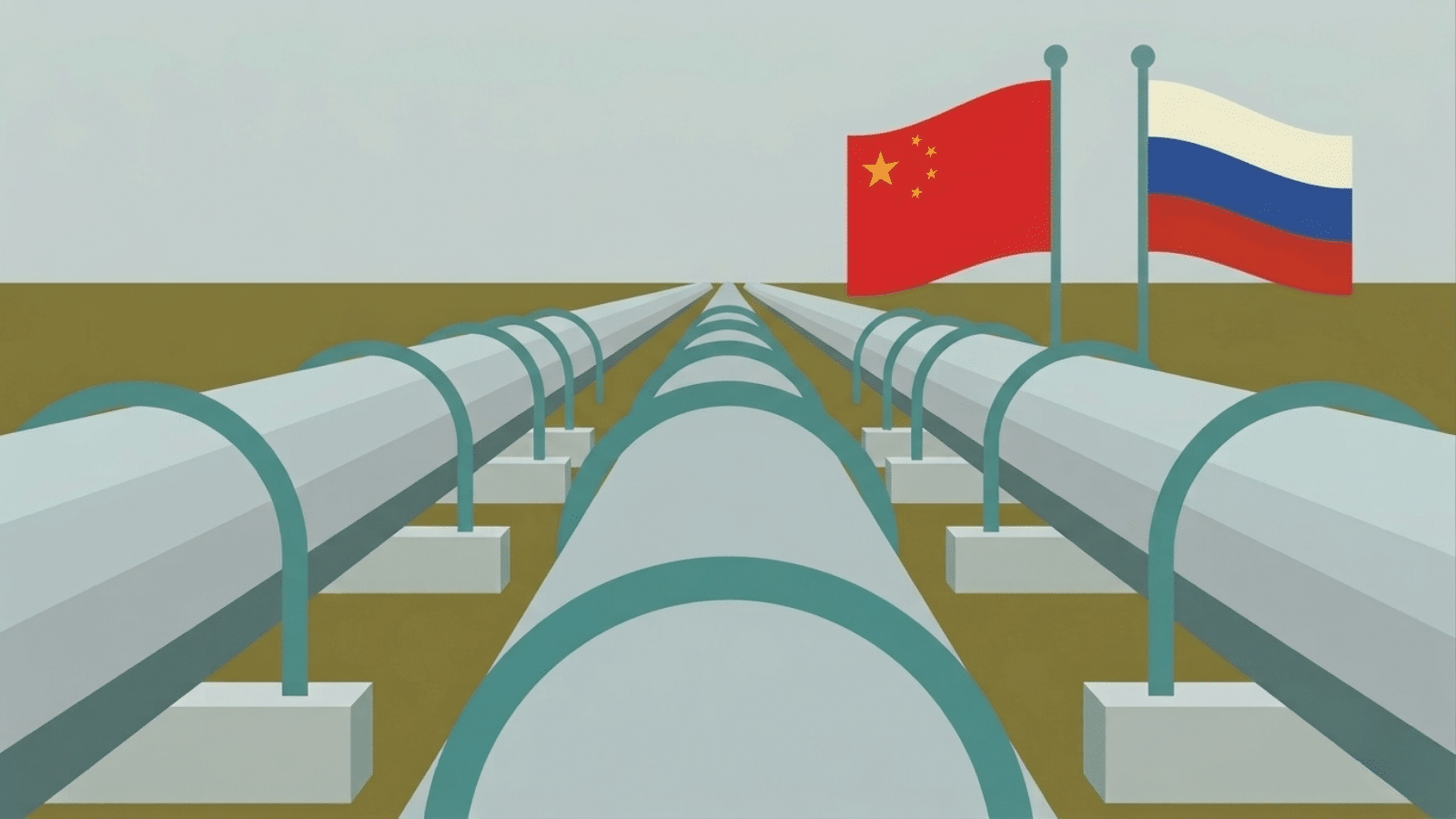
Meanwhile, Russia continues to be a stable and reliable supplier of oil and natural gas to China via both land and sea routes. The Power of Siberia 1 natural gas pipeline is operating slightly above capacity, and increasing volumes of Russian LNG are being delivered to China, reaching 9.8 million tons in 2025—an 18 percent annual increase—according to China’s General Administration of Customs. Russia has also shown it is ready to benefit from the conflict—through additional fuel oil shipments, higher realized prices, and a renewed strategic opportunity to present itself to Asian buyers amid the Gulf shock and growing regional demand as a politically safe and logistically reliable supplier. The crisis also creates an opportunity for Moscow to frame its exports as part of the solution to global market volatility, a narrative potentially reinforced by Washington’s consideration of easing enforcement of oil-related sanctions. Even limited regulatory flexibility can improve Russia’s pricing power and reduce transaction frictions.
Most importantly, Russia is poised to reap substantial, long-term rewards if the conflict prompts China to turn to its northern neighbor for more oil and natural gas. Three key signposts will indicate whether this shift is occurring:
Progress on Power of Siberia 2: The long-discussed natural gas pipeline, which Moscow has been lobbying Beijing to approve since Russia’s invasion of Ukraine, would likely be Russia’s biggest strategic prize, offering it a new market for about a third of the pipeline gas previously sent to Europe. As the authors argued in September 2025, Power of Siberia 2 has mattered to China primarily as a form of strategic insurance rather than an urgent supply necessity. The Gulf shock increases the value of that insurance as a hedge against prolonged disruption in the Middle East. But China still retains substantial leverage over price, timing, and terms. Its recently released 15th Five-Year Plan for 2026-2030 includes “early work” on the pipeline, suggesting the project remains under active consideration. For now, Russia will likely try to accelerate construction of the Far Eastern route, which is a more immediate and lower-friction way to expand pipeline deliveries, as it builds on an already functioning corridor. Supplies are scheduled to begin in 2027 at around 2 billion cubic meters (bcm) per year before ramping up to 12 bcm annually.
Greater use of the Northern Sea Route (NSR): Chinese and Russian political and business leaders discussed this option at the China-Russia Logistics Business Forum on Monday, March 16. Increasing shipments of Russian energy, notably LNG, from the Arctic LNG 2 and Yamal LNG projects, to China through the NSR during the navigable season (roughly July–November, though escorted navigation can extend this into December or January depending on ice and vessel conditions) aligns with China’s efforts over the past two decades to diversify its energy import channels away from key transit chokepoints. But only five of the 22 LNG cargoes delivered from Russia to China last year went via the NSR, indicating that this corridor remains more of a strategic option than a high-volume route. This could change if Middle Eastern supply disruptions persist.
Increased helium exports to China: This is a less visible but potentially important indicator of energy ties given the importance of helium to semiconductor manufacturing. The disruption to Qatar’s gas processing has exposed the fragility of the global helium market, with Qatar accounting for close to a third of world supply. China relies on imports for 85 percent of its helium, of which Qatar alone supplied 54 percent last year. China’s helium imports rose by 22 percent in 2025 to 1.04 billion cubic feet, with record imports in December and Russia as the main source of incremental growth. Russian helium exports to China averaged 38 million cubic feet (mmcf) per month in 2025, up 60 percent year-on-year, and December volumes reached 71 mmcf, suggesting a substantial ramp-up from Amur. If Qatari disruptions persist, Russia is well placed to further expand its role in China’s helium supply mix.
Whether and to what extent the conflict in the Middle East deepens China-Russia energy ties will largely depend on China’s tolerance for increased dependence on Russia, which is already its largest supplier of oil and natural gas. Last year, Russia accounted for 17 percent of China’s crude oil imports and 30 percent of its natural gas imports (pipeline and LNG combined). Beijing will have to weigh the advantages of Russia’s ability to supply large volumes of energy without transiting key oil chokepoints against the risks of departing from its longstanding strategy of avoiding overreliance on any single supplier.