Chinese EVs to benefit Canada’s green efforts
With Chinese electric vehicles set to enter the Canadian market, the move could bring significant benefits for consumers, the climate and public health, experts say.
Current Access Level “I” – ID Only: CUID holders, alumni, and approved guests only
Get the latest as our experts share their insights on global energy policy.
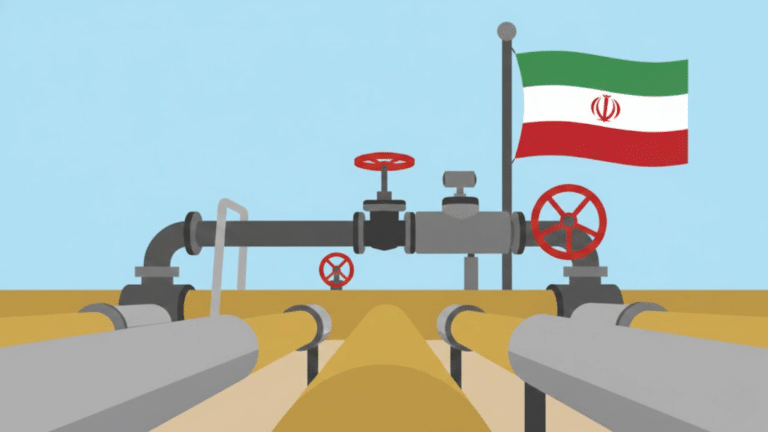
Iran has among the world's largest natural gas resource bases, but its ability to supply regional and global markets is constrained by sanctions, underinvestment, and limited export infrastructure.
Hear in-depth conversations with the world’s top energy and climate leaders from government, business, academia, and civil society.
The Trump administration has prioritized nuclear energy expansion, aiming to increase US nuclear capacity fourfold by 2050. This nuclear energy resurgence in the US is a rare issue...

Find out more about our upcoming and past events.
This workshop will be conducted in two parts: Part one on February 16 from 1:00 PM to 2:00 PM EST, and Part two on February 18 from 1:00 PM to...


Victoria Prado is a Research Associate at Columbia University’s Center on Global Energy Policy, where she integrates the Trade and Clean Energy Transition initiative and conducts research on the geopolitics of critical minerals in Latin America. She was the first hire at a successful climate startup in Brazil, where she supported investor rounds, led the business intelligence team, and gained hands-on experience with carbon markets in emerging economies. Victoria also worked at the Rockefeller Foundation, advancing projects to expand energy access, accelerate coal phase-out in Southeast Asia, and deploy clean energy storage solutions in sub-Saharan Africa. Her work lies at the intersection of climate policy, sustainable development, and global energy systems, with a regional focus on Latin America. She holds a Master of Science in Sustainability Management from Columbia University and has experience in advising major players in Brazil’s oil, gas, and mining sectors on long-term sustainability strategy.
Elemento decisivo será coordenação estratégica
New iterations have emerged that prioritize electric propulsion, including extended-range EVs that recharge the battery using a gasoline generator.
As the US and Europe navigate a difficult and uneven shift toward full battery electric vehicles (BEVs), the US and EU auto markets are under heavy pressure.

On November 6, 2025, in the lead-up to the annual UN Conference of the Parties (COP30), the Center on Global Energy Policy (CGEP) at Columbia University SIPA convened a roundtable on project-based carbon credit markets (PCCMs) in São Paulo, Brazil—a country that both hosted this year’s COP and is well-positioned to shape the next phase of global carbon markets by leveraging its experience in nature-based solutions.
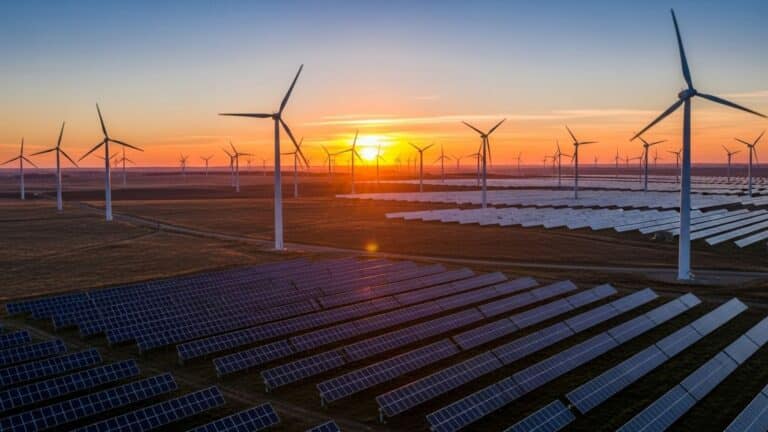
As the host of COP30, Brazil has an unprecedented platform to demonstrate its climate leadership.

Carbon credits are emerging as a key tool for companies to meet a number of objectives, including emission-reduction targets, compliance obligations, investor expectations, and disclosure requirements.
In the fall of 2024, the Center on Global Energy Policy (CGEP) at Columbia University SIPA launched the International Dialogue on Climate and Trade to afford governments and stakeholders opportunities to seek common ground on ways of more effectively and equitably managing issues at the intersection of climate and trade.
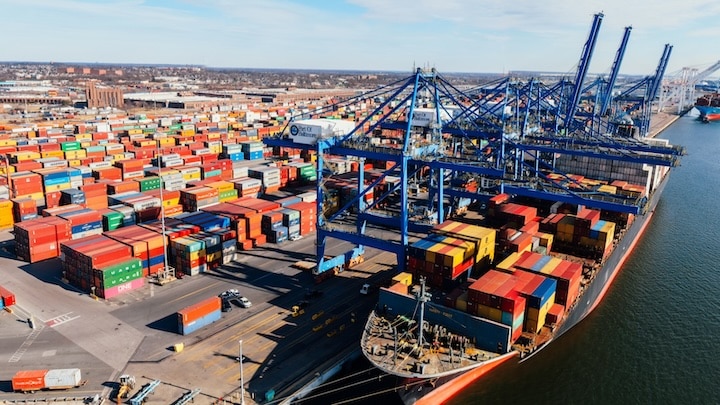
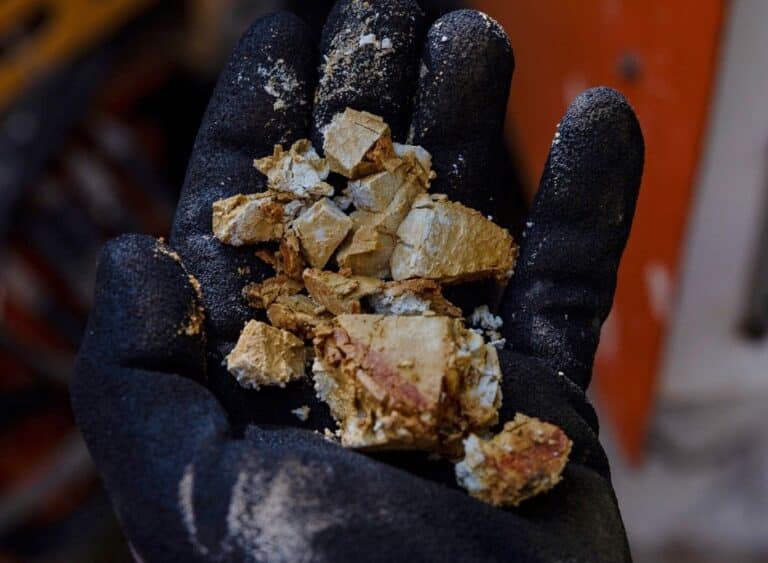
The United States, one of the world’s two largest greenhouse gas emitters, will require reliable critical mineral supply for technologies associated with the energy transition.