Net Power Surrendered Its Clean Dreams to Data Center Demand
The zero-emission pioneer is doing the dirty work for the AI boom.
Get the latest as our experts share their insights on global energy policy.
This Energy Explained post represents the research and views of the author(s). It does not necessarily represent the views of the Center on Global Energy Policy. The piece...

Hear in-depth conversations with the world’s top energy and climate leaders from government, business, academia, and civil society.
After years of trying, the US may be on the cusp of a nuclear renaissance. Commercial nuclear generation began in this country in 1958. Today, the US has...
Find out more about our upcoming and past events.
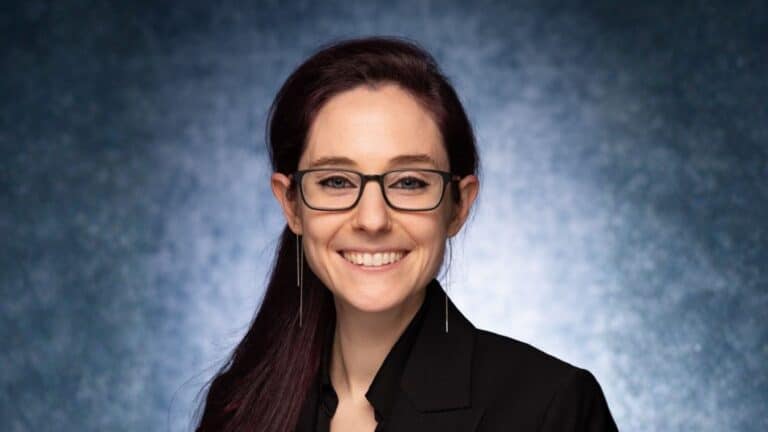
Dr. Claudia Castro will share insights into her professional journey and the role of financial markets in shaping energy investments.
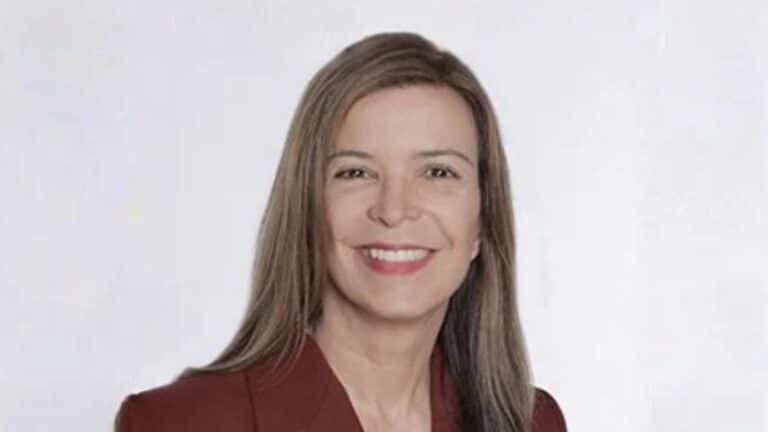

Elliot Diringer is a Global Fellow at the Center on Global Energy Policy (CGEP), where he directs the Center’s International Dialogue on Climate and Trade. Elliot came to CGEP from the U.S. Department of State, where he served as a Senior Policy Advisor to Special Presidential Envoy for Climate John Kerry. In that capacity, he led planning for the Leaders Summit on Climate hosted by President Biden in April 2021 and leader-level meetings of the Major Economies Forum on Energy and Climate.
Elliot first focused on climate change as a journalist covering the 1992 Earth Summit for the San Francisco Chronicle. He joined the Clinton White House in 1997, serving as communications director at the Council on Environmental Quality and as a deputy press secretary and deputy assistant to the president. Prior to returning to government, Elliot was executive vice president of the Center for Climate and Energy Solutions (C2ES), formerly the Pew Center on Global Climate Change. He led the Center’s international program from 2001 to 2021, directing dozens of international climate policy studies and regularly convening lead climate negotiators from key countries. He led the influential Climate Dialogue at Pocantico and the Toward 2015 dialogue, which helped build consensus on the conceptual underpinnings of the Paris Agreement.
Elliot is a graduate of Haverford College and was a 1995-96 Nieman Fellow at Harvard University.
This Energy Explained post represents the research and views of the author(s). It does not necessarily represent the views of the Center on Global Energy Policy. The piece...
Ten years after nations adopted the Paris Agreement, its objectives are in jeopardy amid rising climate pollution and a political backlash against clean
In the fall of 2024, the Center on Global Energy Policy (CGEP) at Columbia University SIPA launched the International Dialogue on Climate and Trade to afford governments and stakeholders opportunities to seek common ground on ways of more effectively and equitably managing issues at the intersection of climate and trade.
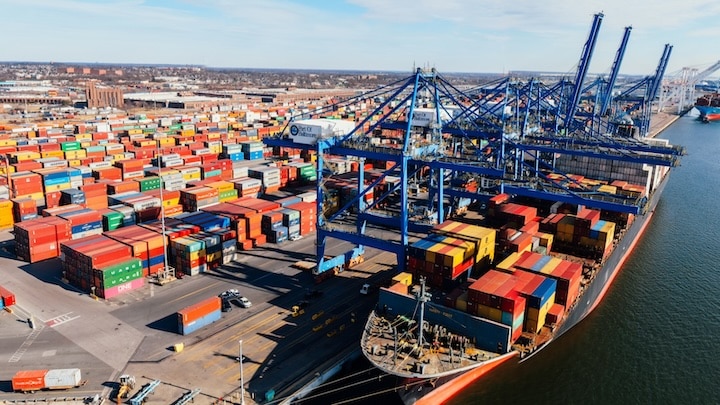
BRATTLEBORO â Is the world making any progress at all in combating the climate crisis, and can we count on other countries to step up as the United States once
The Center on Global Energy Policy (CGEP) at Columbia University’s School of International and Public Affairs (SIPA), in partnership with Columbia SIPA’s Institute of Global Politics (IGP), today announced the launch of a new Trade and Clean Energy Transition Program.