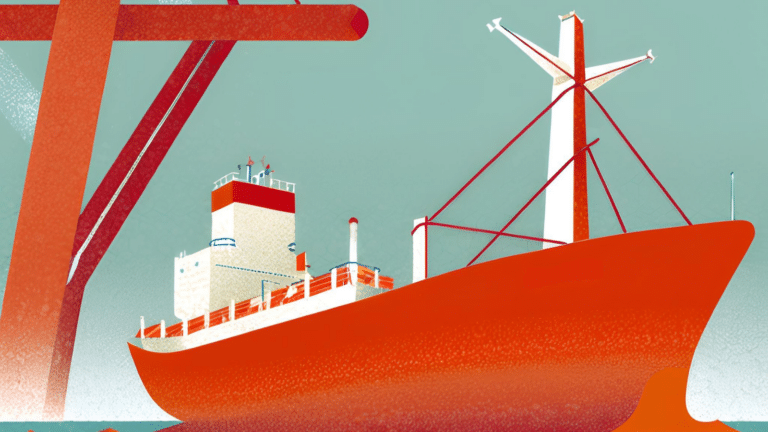
Kuwait looks to the cloud as power grid feels the strain
Kuwait has invited bids to construct three power substations that will supply electricity to Google Cloud data storage centres
Current Access Level “I” – ID Only: CUID holders, alumni, and approved guests only
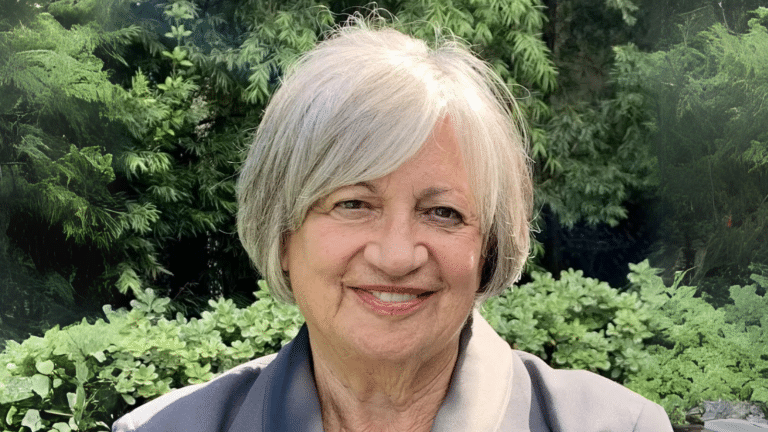
President, NARUC
Discussions about U.S. energy policy typically focus on Washington, where the White House, Congress and agencies like the Federal Energy Regulatory Commission dominate the headlines. This makes it easy to overlook the roles played by state regulators, whose vital decisions affect the flow of energy locally and how much consumers pay for electricity and natural gas.
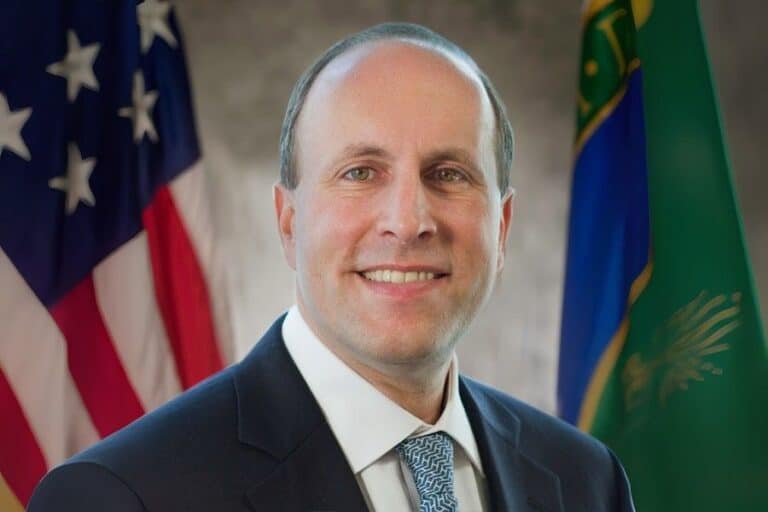
With that in mind, host Bill Loveless sat down with John “Jack” Betkoski III, the new president of the National Association of Regulatory Utility Commissioners (NARUC), to talk about challenges facing state regulators at a time when innovative technology, a changing climate and shifting public attitudes are disrupting traditional energy markets.
As Jack notes in the podcast, “We’re the ones in the trenches. We’re the ones who deal with utilities on a regular basis.”
Jack, the vice chairman of the Connecticut Public Utilities Regulatory Authority, and Bill met outside NARUC’s 2018 Winter Policy Summit in Washington, D.C., where more than 1,000 state regulators and others gathered.
Among the topics that Bill and Jack discussed are: The energy-water nexus—the primary theme of Jack’s NARUC presidency; Recent actions by FERC on electricity resilience and reliability; Public opposition to new gas pipeline construction; Concerns over the volatility of recent storms; The outlook for renewable energy, nuclear energy.
From the affordability crisis and the data center boom, to the US government’s campaign to reinvigorate the Venezuelan oil market, energy is dominating headlines in unusual ways. And...
Great power competition—particularly between the United States and China—is intensifying. This rivalry is reshaping everything from technology supply chains and energy security to the future of artificial intelligence. ...
Early on January 3, 2026, the United States apprehended Venezuelan President Nicolás Maduro and his wife and removed Maduro from power. Maduro was transported to New York, where he now faces federal charges of narco-terrorism and drug trafficking.
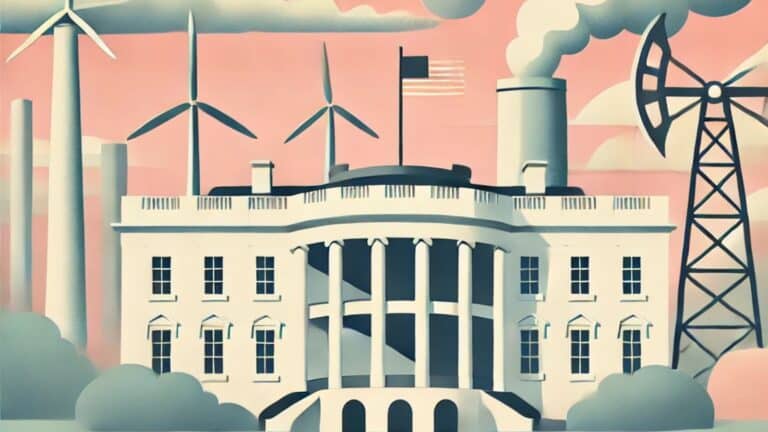
This has been a crucial year for US energy policy. The passage of the One Big Beautiful Bill Act eliminated many of the clean energy incentives that were...
Models can predict catastrophic or modest damages from climate change, but not which of these futures is coming.
On November 6, 2025, in the lead-up to the annual UN Conference of the Parties (COP30), the Center on Global Energy Policy (CGEP) at Columbia University SIPA convened a roundtable on project-based carbon credit markets (PCCMs) in São Paulo, Brazil—a country that both hosted this year’s COP and is well-positioned to shape the next phase of global carbon markets by leveraging its experience in nature-based solutions.
Connecticut needs an honest debate, and fresh thinking, to shape a climate strategy fit for today, not 2022.