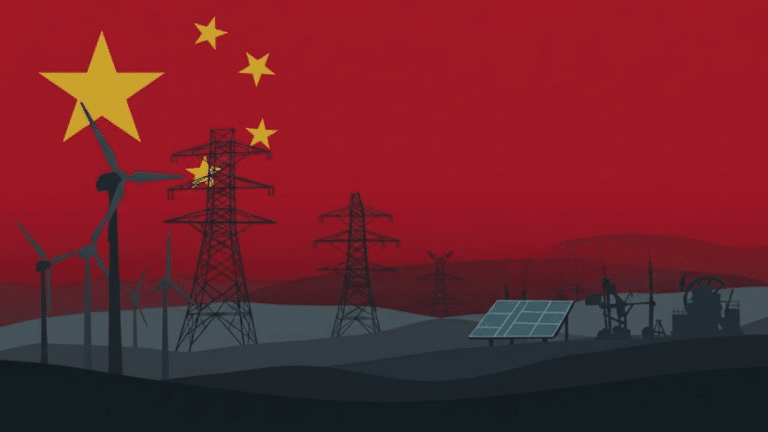
Net Power Surrendered Its Clean Dreams to Data Center Demand
The zero-emission pioneer is doing the dirty work for the AI boom.
Get the latest as our experts share their insights on global energy policy.
This Energy Explained post represents the research and views of the author(s). It does not necessarily represent the views of the Center on Global Energy Policy. The piece...
Hear in-depth conversations with the world’s top energy and climate leaders from government, business, academia, and civil society.
After years of trying, the US may be on the cusp of a nuclear renaissance. Commercial nuclear generation began in this country in 1958. Today, the US has...

Find out more about our upcoming and past events.
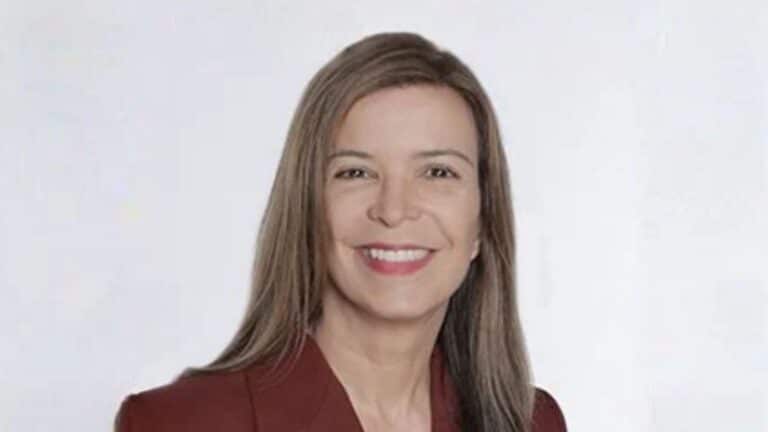
Dr. Claudia Castro will share insights into her professional journey and the role of financial markets in shaping energy investments.
Establishing energy policy solutions informed by rigorous research and dialogue is key to addressing climate change, increasing access to energy, and sparking innovation for a thriving global energy economy.
This Energy Explained post represents the research and views of the author(s). It does not necessarily represent the views of the Center on Global Energy Policy. The piece...
The interactive tool estimates how the Bipartisan American Affordability and Jobs Act could impact the permitting and construction timelines of different types of energy projects.
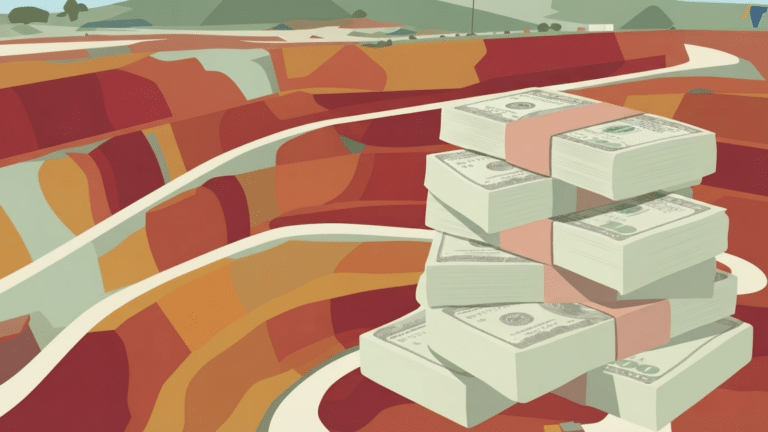
The White House has just announced over $2 billion in new critical minerals, magnets, and battery investments.

Think tank indipendente per la transizione energetica e industriale dell'Italia
Critical minerals were once again near the top of the agenda for G7 leaders as they met in Évian, France, this week, a year after the G7 launched the Critical Minerals Action Plan.

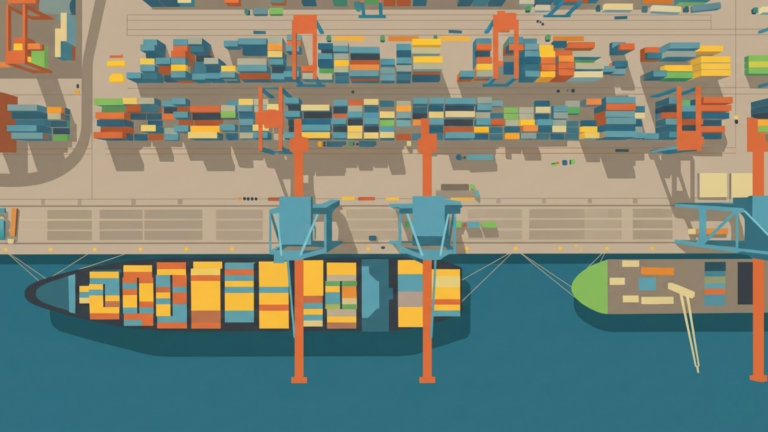
In March 2026, the Office of the US Trade Representative (USTR) announced it was investigating "structural excess capacity and production in manufacturing sectors" in 16 economies.
The US Export-Import Bank is preparing to close the first funding tranche of Project Vault, a public-private partnership establishing the US Strategic Critical Minerals Reserve.
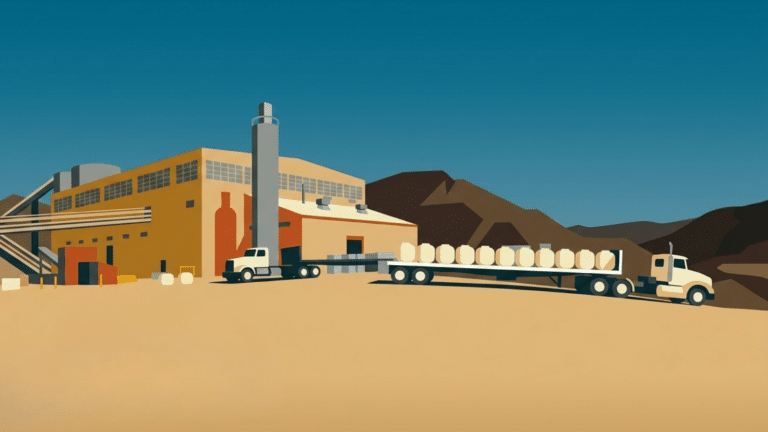
Two economic planning documents released at the March meeting of China's National People’s Congress include the term "energy powerhouse" for the first time.