Israel-Iran Energy War Disrupts Global LNG Supply for Years
Qatars LNG Facility Damage Forces 3-5 Year Repair, Contract Cancellations Attacks on Ras Laffan disrupt global supply, triggering force majeure on con
Current Access Level “I” – ID Only: CUID holders, alumni, and approved guests only
Get the latest as our experts share their insights on global energy policy.
On February 28, the US and Israel launched new attacks on Iran targeting primarily the country's leadership, security forces, and missile program.
Hear in-depth conversations with the world’s top energy and climate leaders from government, business, academia, and civil society.
As the conflict in the Middle East enters its 20th day, events on the ground have shifted into a critical new phase marked by direct strikes on core...
Find out more about our upcoming and past events.
This roundtable is open only to currently enrolled Columbia University students. To register, you must sign in with your UNI. The Center on Global Energy Policy (CGEP) at...

A key initiative at the Center on Global Energy Policy is our Energy Journalism Initiative, which provides aspiring young reporters with a bootcamp to better understand the deeply complex issues of energy and the environment. This initiative is important because when journalism is at its best, the public’s understanding of these deeply complex issues is elevated. Few reporters meet that standard for excellence time and again the way this week’s guest does.
In this episode of Columbia Energy Exchange, host Jason Bordoff is joined by the award-winning investigative reporter for energy at The Wall Street Journal, Russell Gold. Some might remember reading his work during the Deepwater Horizon explosion and oil spill in 2010, which was honored with a Gerald Loeb Award and was a finalist for the Pulitzer Prize. His recent work has shed light on the bankruptcy of PG&E, which he calls the “first climate change related bankruptcy in history.” And he wrote the go-to resource for understanding the transformational shale revolution with his first book, The Boom.
Russell has now followed that up with Superpower: One Man’s Quest to Transform American Energy. It captures the country’s ever-more urgent quest for renewable energy, and it tells the story of one pioneer who tried to make it happen. It takes us beyond renewable generation to the critical but often overlooked part of the grid: transmission.
Jason and Russell sat down to talk about Superpower, efforts to tie electricity grids together across the panhandle of the United States, and much more.
As the conflict in the Middle East enters its 20th day, events on the ground have shifted into a critical new phase marked by direct strikes on core...
The climate policy landscape in the US is in flux. Last month, the Environmental Protection Agency repealed its own power to regulate greenhouse gases. Two weeks later, the...
As the US-Israeli military campaign against Iran enters its third week, the complexities of the global energy landscape are deepening by the hour. Shut-ins of Middle Eastern upstream...
In energy markets, all eyes are on the Strait of Hormuz. As of March 11, 2026, this vital passage is effectively closed to tanker traffic, stranding almost a...
On February 28, the US and Israel launched new attacks on Iran targeting primarily the country's leadership, security forces, and missile program.
The war in Iran is not just another energy shock. It is arriving at a moment when Europe is already under cumulative strain: a war on its eastern border, the lingering aftershocks of the 2022 energy crisis, industrial decline, political fragmentation, fiscal limits, and a widening debate over how much of its own security it must now provide.
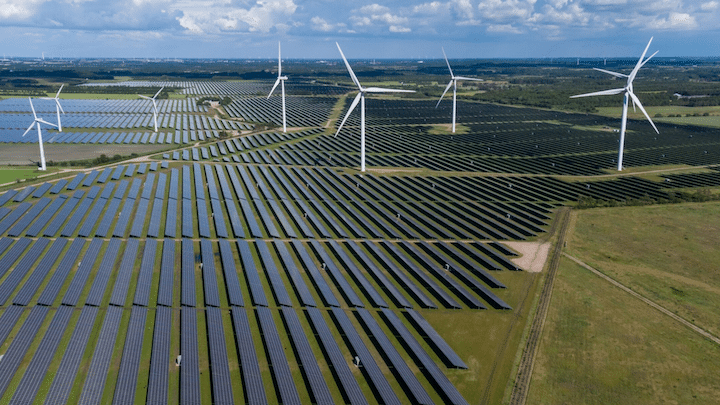
Media reports suggest the Trump Administration is considering restrictions on US oil exports. Officials have said such measures are not under discussion, according to media reports, but the...
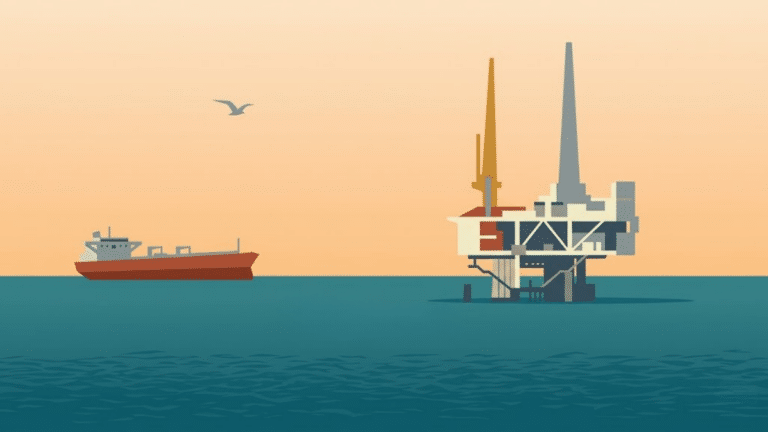
The oil shock triggered by the crisis in the Persian Gulf has pushed crude above $100 per barrel, reviving familiar fears of economic turmoil in the United States driven by surging gasoline and diesel prices.