This website uses cookies as well as similar tools and technologies to understand visitors’ experiences. By continuing to use this website, you consent to Columbia University’s usage of cookies and similar technologies, in accordance with the Columbia University Website Cookie Notice.
Energy Explained
Get the latest as our experts share their insights on global energy policy.
Live Updates: US-Israeli Attacks on Iran and Global Energy Impacts
On February 28, the US and Israel launched new attacks on Iran targeting primarily the country's leadership, security forces, and missile program.
Blog
by Anne-Sophie Corbeau, Erica Downs, Ira Joseph, Richard Nephew, Daniel Sternoff, Karen E. Young, Robin Mills & Neelesh Nerurkar • April 1, 2026
Podcasts
Hear in-depth conversations with the world’s top energy and climate leaders from government, business, academia, and civil society.
Dan Steingart on Battery Innovation and the Future of Energy Storage
The conflict in Iran is a reminder of how quickly global energy markets can be disrupted. It also underscores why advances in things like battery technology — from...

Events
Find out more about our upcoming and past events.
April 9, 2026
• 11:00 am - 12:00 pm
edt
Five Weeks of Conflict with Iran: Trajectories, Risks, and Global Implications
More than a month into the Iran conflict, the United States and Iran are at a critical inflection point.
Rapid Response
Podcast
Richard Nephew – Economic Sanctions: Lessons From an Insider
December 18, 2017
Bill Loveless talks with Richard Nephew, a Senior Research Scholar at CGEP and the lead sanctions expert for the U.S. team negotiating the Iran nuclear deal, on a new episode of Columbia Energy Exchange. Richard is the author of a new book from Columbia University Press, The Art of Sanctions: A View From the Field, which outlines key concepts and guidelines for developing sanctions and interpreting targets’ responses to them.
Among many topics Bill and Richard discuss, several include: insights from Richard’s new book and how to effectively design and employ sanctions; the future of the Iran Nuclear Deal; whether U.S. sanctions on North Korea are working; how energy interests factor in to U.S. sanctions policy; and the outlook for future sanctions on Russia.
More Episodes
Dan Steingart on Battery Innovation and the Future of Energy Storage
The conflict in Iran is a reminder of how quickly global energy markets can be disrupted. It also underscores why advances in things like battery technology — from...
Iran Conflict Brief: Ali Ansari on What’s Going on Inside Iran
On the eve of President Trump’s deadline for Iran to reopen the Strait of Hormuz, the global energy landscape faces a moment of unprecedented risk. With dated Brent...

Iran Conflict Brief: The War’s Lasting Impact on Gulf States
While US and Israeli forces have significantly degraded Iran’s military and nuclear capability, the global energy landscape remains in a precarious position. For weeks, the Strait of Hormuz...
Daleep Singh on the Need for a US Industrial Policy Playbook
During President Trump’s second term, the administration has taken unprecedented action in the US private sector. The federal government’s investments in critical mineral mining and chip manufacturing are...

Relevant
Publications
The Iran Shock
Within days of the initial U.S. and Israeli attack on Iran on February 28, 2026, the world was plunged into an energy crisis.
Once Again, Energy Is Power
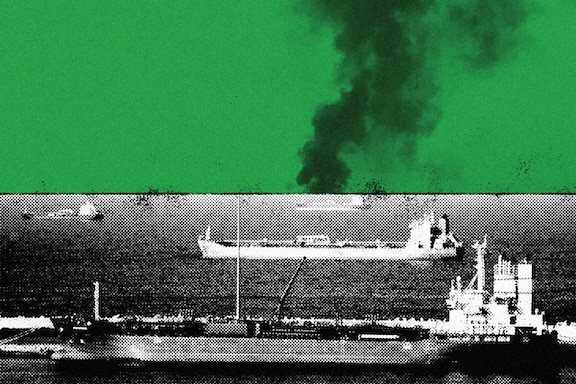
Energy has reemerged this year as a central force shaping our world—both a geopolitical weapon and an economic fault line.
Why Russia Can’t Capitalize on the Iran War’s Gas Shock
When the Iran War disrupted shipping through the Strait of Hormuz and tightened global gas balances, a familiar assumption quickly resurfaced: Russia, possessing the largest proven natural gas reserves in the world, would inevitably emerge as one of the principal beneficiaries.
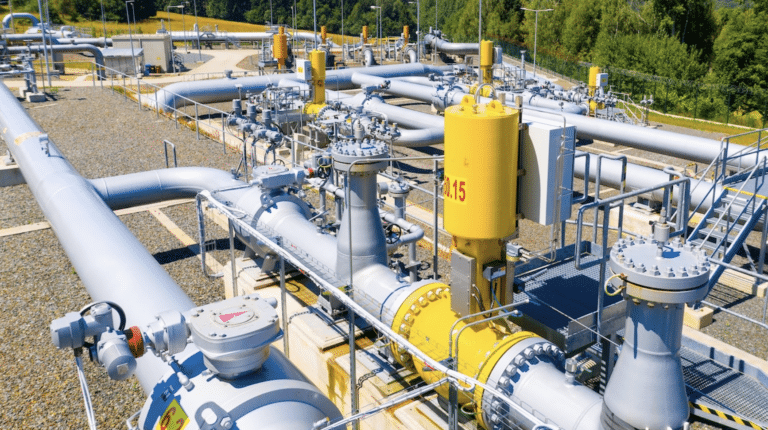
The Gulf and the Iran Conflict: An Economic Model Under Pressure
Op-eds & Essays
with Karen E. Young •
Italian Institute for International Political Studies
• April 02, 2026