US oil stockpiles offset Saudi Arabia supply worries
Oil prices fell on Wednesday as US crude stockpiles rose, with fears of further escalation in the Saudi Arabia and Houthis conflict
Get the latest as our experts share their insights on global energy policy.
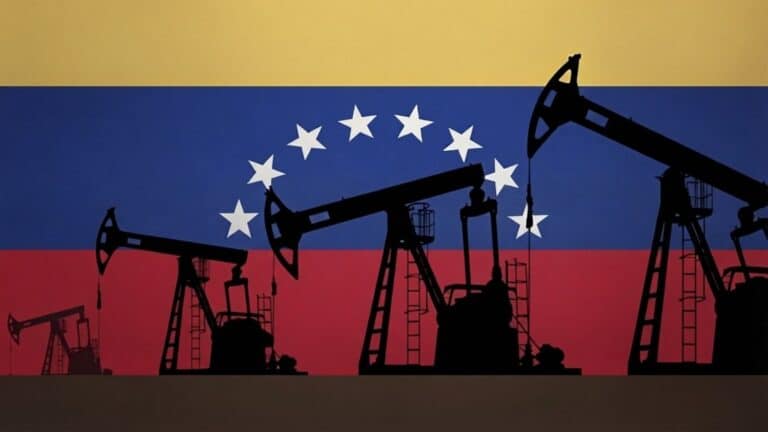
The White House announced last week an oil deal for more than 65 billion barrels of oil reserves in Venezuela and a 35% equity stake in North American Blue Energy Partners (NABEP).
Hear in-depth conversations with the world’s top energy and climate leaders from government, business, academia, and civil society.
More than six months into the war with Iran, the Strait of Hormuz crisis continues to cause turmoil in the Gulf region and global energy markets with no...

Find out more about our upcoming and past events.
Join industry leaders, innovators, employers, and emerging talent for an evening exploring the technologies, trends, and career opportunities shaping the future of climate tech.

External Publication with Tom Moerenhout • Elgar Online • March 15, 2022
Fossil fuel subsidies constitute a burden for public finances and contribute to climate change and...
Fossil fuel subsidies constitute a burden for public finances and contribute to climate change and air pollution. Fossil fuel subsidies also distort trade, highlighting a possible role for international trade agreements in promoting fossil fuel subsidy reform. This chapter explores the extent to which WTO subsidy rules can be used to address fossil fuel subsidies. It first discusses the ways in which fossil fuel subsidies may impact on international trade. It then continues to analyse how fossil fuel subsidies are disciplined under WTO subsidy rules, focusing on the Agreement on Subsidies and Countervailing Measures. Finding that existing rules largely fail to capture fossil fuel subsidies due to legal and political barriers, the chapter discusses several options for WTO Members to better align subsidy rules with the clean energy transition, including strengthening transparency and creating new rules at the WTO, and tackling fossil fuel subsidies through plurilateral and regional trade agreements.
Project-based carbon credit markets (PCCMs) facilitate the generation, trading, and retirement of carbon credits from projects that remove, reduce, or avoid greenhouse gas emissions.

The World Bank is revisiting one of its most entrenched positions, publicly questioning its long-standing emphasis on market-led approaches in economic policy.

Full report
External Publication with Tom Moerenhout • Elgar Online • March 15, 2022