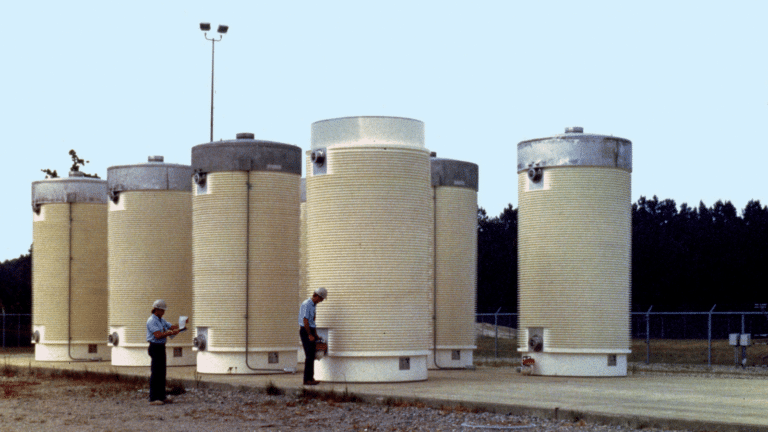
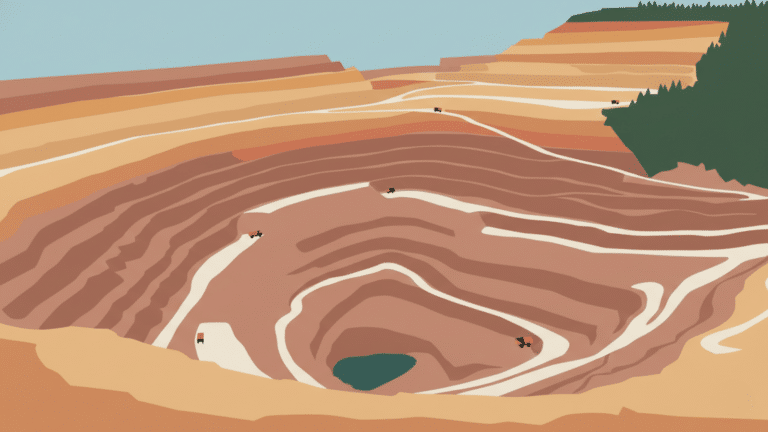
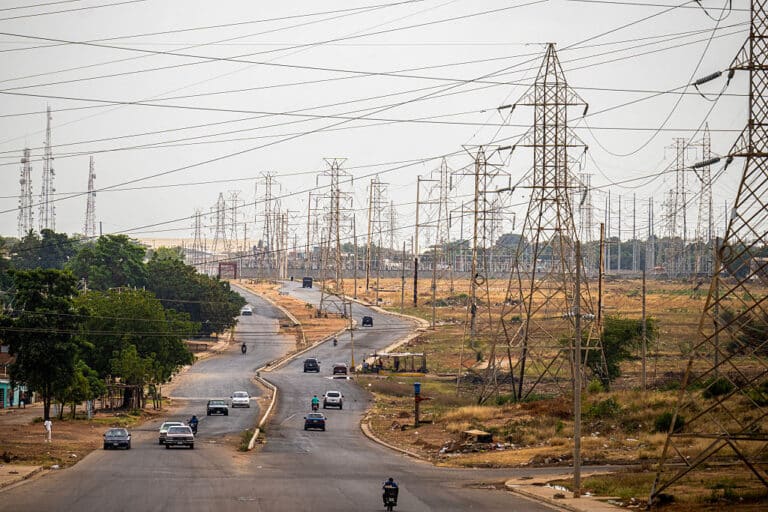
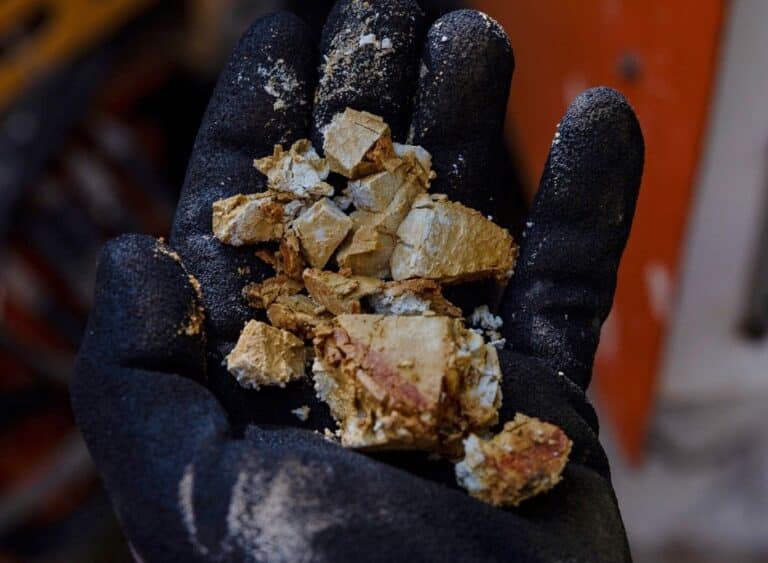
Could a strategic lithium reserve kickstart US supply chain development?
NEW YORK -- A strategic lithium reserve is being mooted as a solution to stabilize volatile prices that have hindered American mining projects, allowi
Current Access Level “I” – ID Only: CUID holders, alumni, and approved guests only
Explore independent and nonpartisan research that meets the high standards of academic integrity at Columbia University.
Trump’s latest proposal would cede the United States’ AI advantage.
Without transatlantic alignment, we risk forfeiting the very advantages our alliance was built to protect.
As the US and Europe navigate a difficult and uneven shift toward full battery electric vehicles (BEVs), the US and EU auto markets are under heavy pressure.
Geopolitical uncertainty associated with Russian gas exports could swing the range of those exports by an estimated 150 bcm per year.
From the east to west and north to south, in red states and blue states, attention to data centers is skyrocketing in state capitals across the United States.
Two trade agreements recently negotiated by the Trump administration contain novel and coercive provisions with little precedent in US trade policy or the global trade system.
Libya's bid round for new oil and gas exploration and production highlights its potential revival as a major oil producer.
On November 6, 2025, in the lead-up to the annual UN Conference of the Parties (COP30), the Center on Global Energy Policy (CGEP) at Columbia University SIPA convened a roundtable on project-based carbon credit markets (PCCMs) in São Paulo, Brazil—a country that both hosted this year’s COP and is well-positioned to shape the next phase of global carbon markets by leveraging its experience in nature-based solutions.
Last month, the Trump administration imposed fresh sanctions on Russia’s two largest oil companies, Rosneft and Lukoil, signaling a renewed desire to drive Moscow to the negotiating table in its war against Ukraine. But although these measures have the potential to harm the Russian economy, just how much damage they inflict will depend largely on one actor: Beijing. China bought almost half the oil Russia exported in 2024, evading Washington’s existing restrictions in the process. And new sanctions alone will do little to push China into significantly reducing its purchases.
Connecticut needs an honest debate, and fresh thinking, to shape a climate strategy fit for today, not 2022.
President Donald Trump’s impulsive, go-it-alone approach is uniquely ill-suited to the long-term and cross-cutting nature of the challenge that China poses.