This website uses cookies as well as similar tools and technologies to understand visitors’ experiences. By continuing to use this website, you consent to Columbia University’s usage of cookies and similar technologies, in accordance with the Columbia University Website Cookie Notice.
Energy Explained
Get the latest as our experts share their insights on global energy policy.
What a US-Saudi Arabia Nuclear Agreement Could Mean
The Trump administration and Saudi leadership have reportedly agreed to a nuclear agreement that could enable US nuclear technology transfers to Saudi Arabia.

Podcasts
Hear in-depth conversations with the world’s top energy and climate leaders from government, business, academia, and civil society.
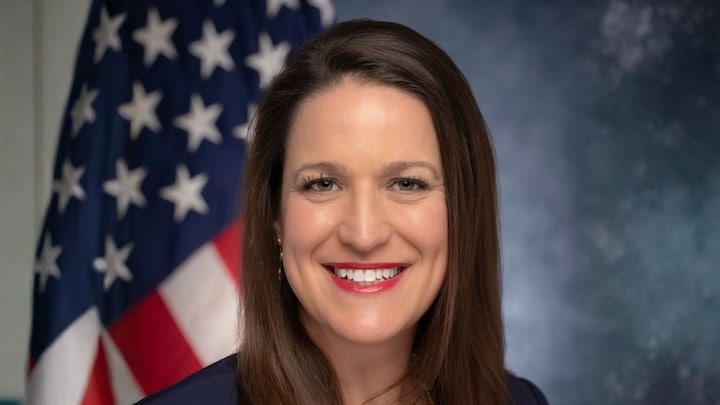
DOE’s Audrey Robertson on Growing US Critical Mineral Supply
Advanced technologies, a return to domestic manufacturing, and the race to control energy production while also confronting surging demand for electricity—all of these factors mean that for the...
Columbia Energy Exchange Podcast
• September 1, 2026
Events
Find out more about our upcoming and past events.
September 10, 2026
• 10:00 am - 11:00 am
edt
Carbon Markets Webinar: The Path Forward for Carbon Credit Markets
PCCMs facilitate the generation, trading, and retirement of carbon credits from projects that remove, reduce, or avoid greenhouse gas emissions. By creating a revenue stream from verified climate...
Event

Our Work
Explore independent and nonpartisan research that meets the high standards of academic integrity at Columbia University.


Explore our Work
All Publications
Topics
Regions
Types
Dates
Showing:
12
Results
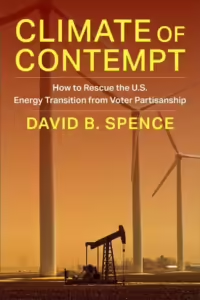
Climate of Contempt
Why is the United States struggling to enact policies to reduce carbon emissions? Conventional wisdom holds that the wealthy and powerful are to blame, as the oligarchs and corporations that wield disproportionate sway over politicians prioritize their short-term financial interests over the climate’s long-term health.
Books
by David Spence • September 11, 2024
Purchase Book
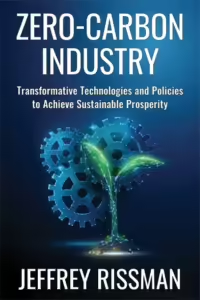
Zero-Carbon Industry
The power sector and transportation tend to dominate conversations about climate change, but there’s an under-the-radar source of climate pollution that must be addressed: industry.
Books
by Jeffrey Rissman • February 21, 2024
Purchase Book
From Black Gold to Frozen Gas
Today, Qatar is among the world’s wealthiest countries. Its rich hydrocarbon resources have transformed this small Gulf state into an energy powerhouse, funded its outsized global ambitions, and allowed it to forge an identity separate from those of its large and powerful neighbors.
Purchase Book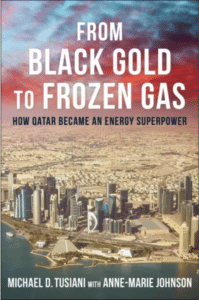

Energy Kingdoms Oil and Political Survival in the Persian Gulf
Books
by • April 11, 2021
Purchase Book
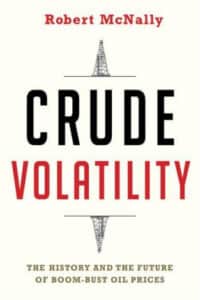
Crude Volatility: The History and the Future of Boom-Bust Oil Prices
Books
by Robert McNally • September 11, 2019
Purchase Book