This website uses cookies as well as similar tools and technologies to understand visitors’ experiences. By continuing to use this website, you consent to Columbia University’s usage of cookies and similar technologies, in accordance with the Columbia University Website Cookie Notice.
Energy Explained
Get the latest as our experts share their insights on global energy policy.
Live Updates: Iran and the Conflict in the Middle East
The Center on Global Energy Policy is providing live updates on key developments related to the Iran crisis. Check back here for the latest.
Blog
by Anne-Sophie Corbeau, Erica Downs, Ira Joseph, Richard Nephew, Daniel Sternoff, Karen E. Young, Robin Mills & Neelesh Nerurkar • September 23, 2026

Podcasts
Hear in-depth conversations with the world’s top energy and climate leaders from government, business, academia, and civil society.
Iran Conflict Brief: Jan Stuart on What a US Diesel Export Ban Would Mean
Seven months into the largest oil supply disruption in history, there's still no resolution in sight. This week, on the sidelines of the UN General Assembly, US and Iranian officials held their first indirect talks since the Memorandum of Understanding collapsed in July—but neither side appears ready for concessions.

Events
Find out more about our upcoming and past events.
September 21, 2026 - September 25, 2026
CGEP @ Climate Week 2026
The Center on Global Energy Policy at Columbia University SIPA will host a series of energy and climate focused events this September during Climate Week NYC.
Event
Energy and Environment in India: The Politics of a Chronic Crisis
By Johannes Urpelainen
July 2023
India is driving some of the most important trends in global energy markets—with vast environmental implications. As the country grows wealthier, Indians are buying more cars, air conditioners, plane tickets, and other goods that increase demand for fossil fuels. At the same time, the country still faces widespread poverty, and it struggles to address persistent environmental and energy-sector problems, from frequent power outages to a significant number of deaths linked to air pollution.
Johannes Urpelainen provides an expert guide to India’s energy and environmental issues that incorporates both domestic and global perspectives. He details how unequal economic development and rapid population growth have brought the country to its current state: a potential engine of the world economy hampered by environmental hazards and energy poverty. Urpelainen argues that institutional shortcomings have led wealthier Indians to find private solutions that protect them from threats such as air pollution and heat waves, but exclude the poor. The retreat of the rich limits the state’s ability to regulate the energy sector or address environmental degradation. Urpelainen examines India’s most severe environmental crises, considering how climate disruptions are affecting the country’s present and future. He analyzes India’s role in global environmental politics and assesses the prospects of achieving a more sustainable society. Useful and accessible, this book also offers pragmatic solutions to help overcome the constraints on effective energy and environmental policy.
About the Author
Johannes Urpelainen is the Prince Sultan bin Abdulaziz Professor of Energy, Resources, and Environment at the Johns Hopkins School of Advanced International Studies and the founding director of the Initiative for Sustainable Energy Policy. His recent books include Global Environmental Politics: The Transformative Role of Emerging Economies (Columbia, 2022).
Relevant
Publications
View / Africa should stop treating energy shocks as surprises
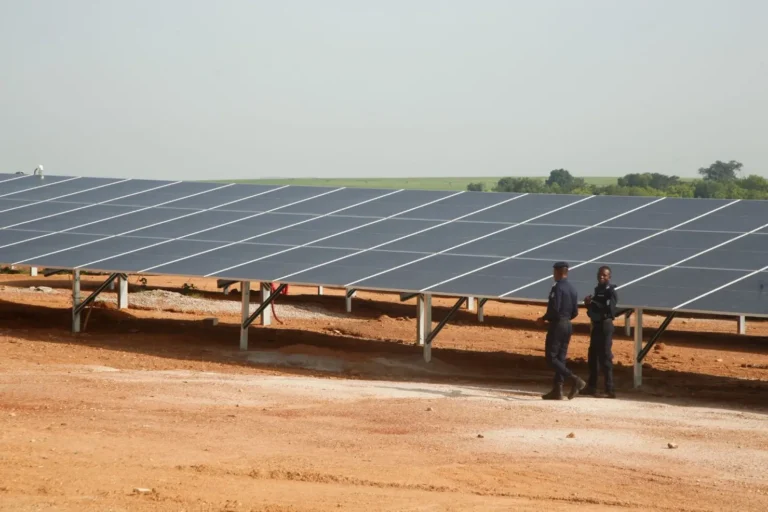
The Hormuz crisis is the latest in a series of disruptions that have exposed the continent’s energy vulnerabilities. The time to build resilience is between crises, not during them.
China’s Energy Powerhouse Ambitions
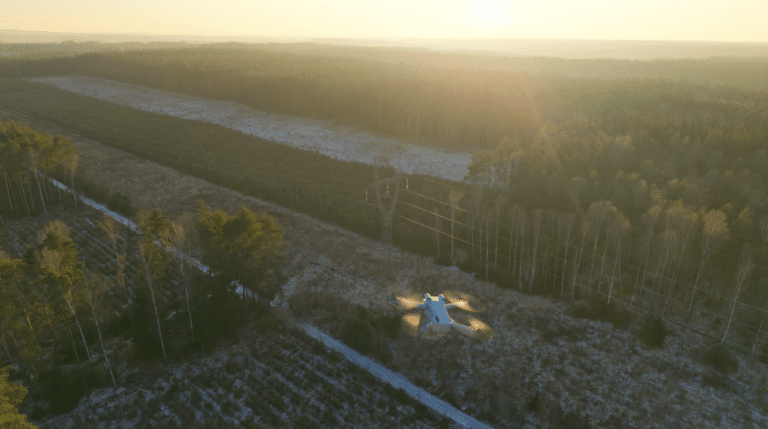
Two economic planning documents released at the March meeting of China's National People’s Congress include the term "energy powerhouse" for the first time.