Prix des carburants : pourquoi les raffineries sont au cœur de la tempête
Plus que d'un problème pétrolier, la flambée des prix du carburant résulte de tensions sur les capacités mondiales de raffinage.
This website uses cookies as well as similar tools and technologies to understand visitors’ experiences. By continuing to use this website, you consent to Columbia University’s usage of cookies and similar technologies, in accordance with the Columbia University Website Cookie Notice.
Our work is committed to independent and nonpartisan research that meets the high standards of academic integrity and quality at Columbia University.
Our initiatives and programs are designed to address critical needs in key focus areas around energy and climate policy.
Explore our expert insights and analysis in leading energy and climate news stories.
Plus que d'un problème pétrolier, la flambée des prix du carburant résulte de tensions sur les capacités mondiales de raffinage.
Get the latest as our experts share their insights on global energy policy.
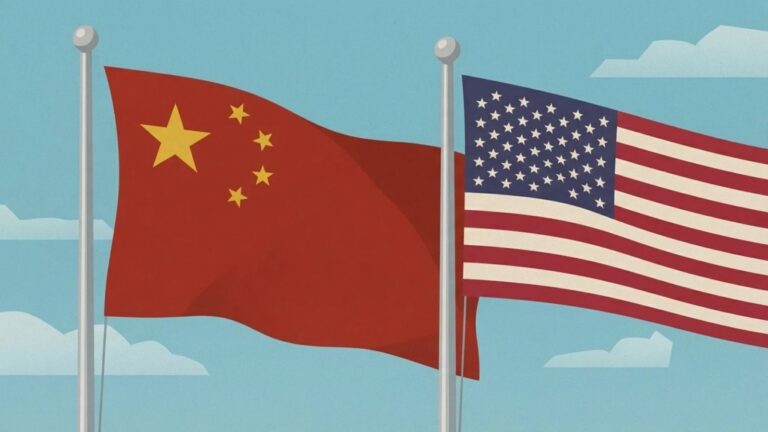
Last week's summit between US President Trump and Chinese President Xi was the second meeting between the two leaders since the US and Israel attacked Iran.
Hear in-depth conversations with the world’s top energy and climate leaders from government, business, academia, and civil society.
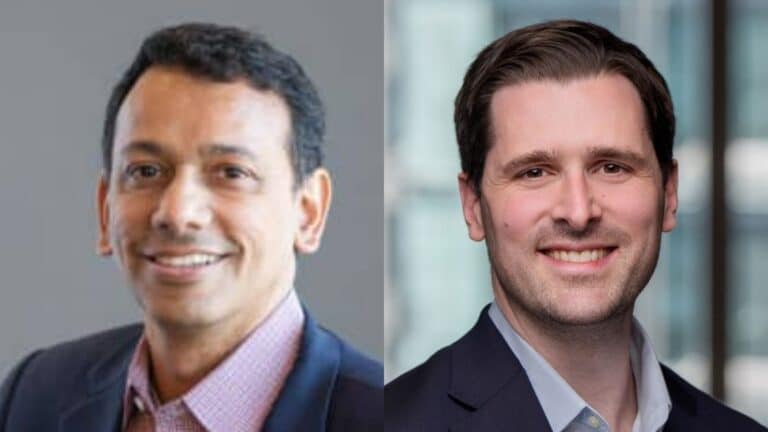
Carbon credit markets have become one of the most hotly debated tools in the fight against climate change. Supporters call them essential to closing the gap between corporate...
Find out more about our upcoming and past events.
Apply to Register The Center on Global Energy Policy at Columbia University SIPA’s Women in Energy initiative invites Columbia University students to a roundtable discussion with Pam Brown,...

We are the premier hub and policy institution for global energy thought leadership. Energy impacts every element of our lives, and our trusted fact-based research informs the decisions that affect all of us.
Chairman, Poten & Partners
Michael D. Tusiani joined Poten & Partners in 1973. From 1983 to 2016, he served as its chairman and CEO. He is currently the chairman emeritus. During his career, he has been active in all aspects of oil and gas trading and transportation. He has written numerous articles on energy and shipping matters and four books, The Petroleum Shipping Industry: A Nontechnical Overview (PennWell, 1966); The Petroleum Shipping Industry: Operations and Practices (PennWell, 1996); LNG: A Nontechnical Guide (PennWell, 2007, co-author) and LNG: Fuel For A Changing World: A Nontechnical Guide (PennWell, 2016, co-author). He received a BA from Long Island University and an MA in economics from Fordham University.
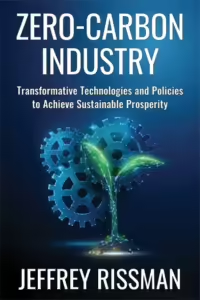
The power sector and transportation tend to dominate conversations about climate change, but there’s an under-the-radar source of climate pollution that must be addressed: industry.
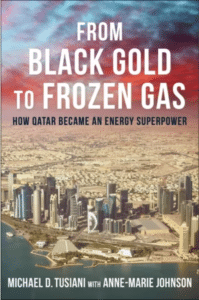
The Center on Global Energy Policy (CGEP) at Columbia University SIPA is excited to announce the publication of From Black Gold to Frozen Gas: How Qatar Became an...

Today, Qatar is among the world’s wealthiest countries. Its rich hydrocarbon resources have transformed this small Gulf state into an energy powerhouse, funded its outsized global ambitions, and allowed it to forge an identity separate from those of its large and powerful neighbors.
Purchase Book
Get the latest news and research on energy & climate policy.
"(required)" indicates required fields