NY energy experts, advocates say Iran war shows need for Hochul to implement climate law
Gov. Hochul’s reliance on fossil fuels may end up costing more than renewables, clean energy advocates say.
Get the latest as our experts share their insights on global energy policy.
On February 28, the US and Israel launched new attacks on Iran targeting primarily the country's leadership, security forces, and missile program.

Hear in-depth conversations with the world’s top energy and climate leaders from government, business, academia, and civil society.
While US and Israeli forces have significantly degraded Iran’s military and nuclear capability, the global energy landscape remains in a precarious position. For weeks, the Strait of Hormuz...
Find out more about our upcoming and past events.
This roundtable is open only to currently enrolled Columbia University students. To register, you must sign in with your UNI. Join the Center on Global Energy Policy’s Women...
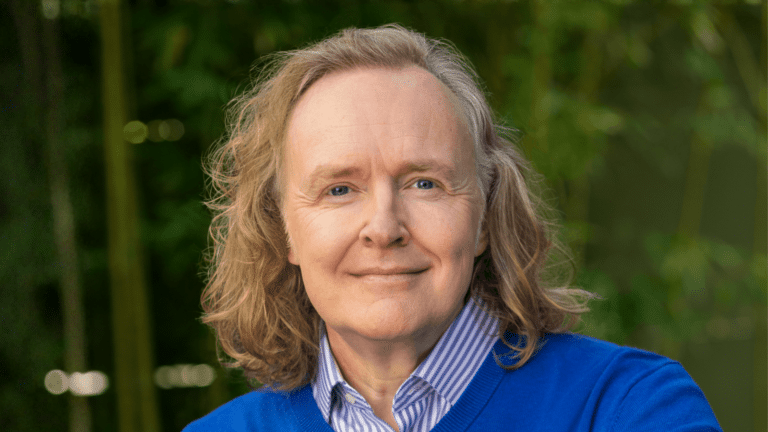
NEW YORK — Climate change is undermining the foundations of good health; threatening the food we eat, the air we breathe, and the hospitals and clinics we depend on. However, the response to climate change could be the greatest global health opportunity of the 21st century. New research published today in the British medical journal The Lancet, The Lancet Countdown: Tracking Progress on Health and Climate Change, tracks annual indicators of progress, empowering the health profession and policymakers to accelerate their response. Dr. Melissa C. Lott, Senior Research Scholar at the Center on Global Energy Policy at Columbia University SIPA is co-author of the section on mitigation in the energy sector, which provides new data and insights that show how climate change and air pollution from burning fossil fuels is already harming human health.
According to this research, in 2018, we experienced 831 climate-related extreme events around the globe, resulting in $166 billion in economic loses. Every child born today will be affected by climate change, says its authors. Without significant intervention, this new era will come to define the health of people at every stage of their lives, particularly children.
At the core of the challenge – and its solution – are our global energy systems.
Existing datasets clearly show that the energy sector (including not only power plants, but also transportation and industry) not only produces the majority of global greenhouse gas emissions but also the vast majority of key air pollutants that damage our bodies including particulate matter and nitrogen oxides. For example, exposure to this air pollution leads to increasing instances of childhood asthma, heart disease, respiratory illness, cancers, and early death.
This research shows how the transition to cleaner sources of energy could be one of the world’s greatest public health opportunities. We have already made some progress with using renewable energy to generate electricity and adopting electric vehicles. But, we are not on track to meet Paris Agreement targets. From 2016 to 2018, global carbon dioxide emissions from the energy sector still grew by 2.6% from 2016 to 2018. Here in the United States, after almost a decade of decline, air pollution rose from 2016 to 2018, leading to nearly 10,000 additional early deaths.
According to this research, we are currently facing a world in which we are more likely to get lung cancer even if we don’t smoke and where more children will develop asthma, suffer infectious disease, and be faced with a lifetime of health challenges due to the combined effects of climate change and air pollution. But, such outcomes are not inevitable, and we know the solutions. By transitioning to clean energy systems as soon as possible, we can mitigate the damage to our health.
Gov. Hochul’s reliance on fossil fuels may end up costing more than renewables, clean energy advocates say.
AUDIO Gaz et pétrole, quand la planète s’affole, épisode : Europe, l’impossible autonomie énergétique. Une série inédite proposée par France Culture. Écoutez Europe, l’impossible autonomie énergétique, et découvrez nos podcasts en ligne.
Governor Kathy Hochulâs proposal to weaken the stateâs emissions targets reflects a fundamental tension in the process of decarbonization.
Electricity demand in the state could increase by nearly 70% by 2030, thanks to the expansion of electric heat as well as large projects like data centers.
On March 20, Governor Kathy Hochul proposed significant changes to New York’s Climate Leadership and Community Protection Act (CLCPA), the landmark climate law passed in 2019.

In January 2026, the UK government publicly released an intelligence report analyzing the security implications of global environmental destruction.
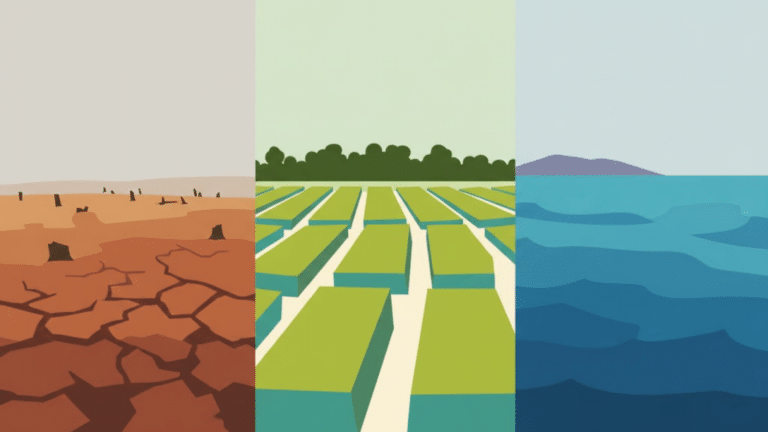
Models can predict catastrophic or modest damages from climate change, but not which of these futures is coming.
