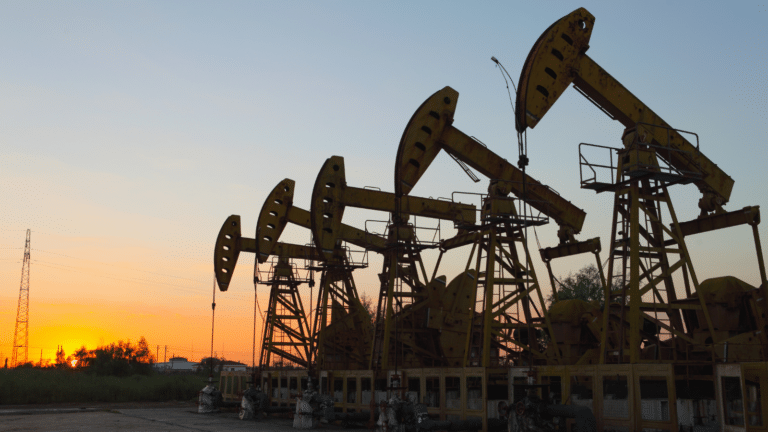
In this roundtable disscussion, we will address oil peak demand and its impacts on the Brazilian pre-salt. The intention is to debate on how elements of this transition affect the oil sector competitiveness. Given the current context of growing world oil supply at the expense of increased oil price volatility, how will oil prices behave on a flat demand scenario? How does the Brazilian oil sector, especially the one driven by exploration and production on the pre-salt region, fit into this context? Is there a way to diminish the impacts? These are some of the questions this debate will address.
PROGRAM
Opening Remarks
José Firmo, President of the Brazilian Petroleum, Gas and Biofuels Institute
Speakers
Moderator: Heloisa Borges, Deputy Manager of Licensing Rounds (ANP)
Antoine Halff, Director of the Global Oil Program at the Center on Global Energy Policy, Columbia University
Helder Queiroz, Professor and a Research Economist with the Energy Economics Group, Institute of Economics, Federal University of Rio de Janeiro
Lavínia Hollanda, Senior Energy Consultant and Advisor, founder and managing director of Escopo Energia
>> The discussion will be in English and simultaneous translation won’t be provided
RSVP