This website uses cookies as well as similar tools and technologies to understand visitors’ experiences. By continuing to use this website, you consent to Columbia University’s usage of cookies and similar technologies, in accordance with the Columbia University Website Cookie Notice.
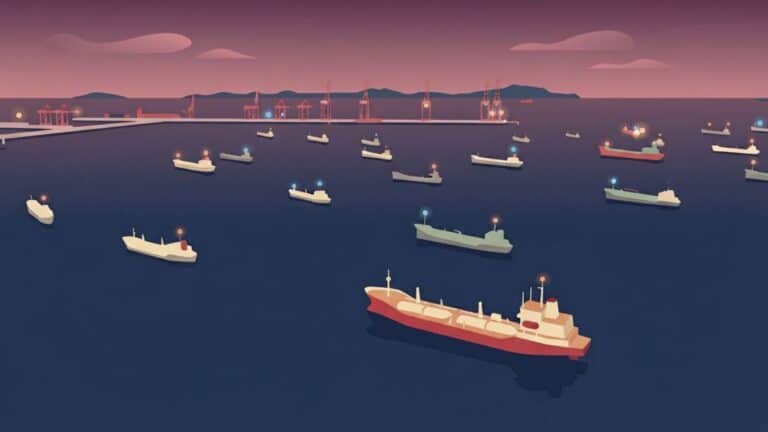
In the 23 days since the US and Iran agreed to a ceasefire, strikes have returned, following a familiar pattern: Iran attacks vessels using an internationally backed sea...
We are the premier hub and policy institution for global energy thought leadership. Energy impacts every element of our lives, and our trusted fact-based research informs the decisions that affect all of us.
Please join the Center on Global Energy Policy and Japan External Trade Organization (JETRO) New York for a presentation of Japan’s 4th strategic energy plan by Mr. Toshikazu Okuya, Director, Energy Supply and Demand Policy Office, Agency for Natural Resources and Energy, Japan’s Ministry of Economy, Trade and Industry. This is the first such plan since the Fukushima Daiichi nuclear disaster. The strategic energy plan addresses a variety of key energy issues, including:
– The role of nuclear power in Japan’s supply mix; – Supporting the deployment of renewable energy; – Options to manage the pressure of rising energy costs for end-users; – Continued US-Japan energy cooperation.
A moderated discussion will follow the presentation. Registration is required. This event is open to press. It will also be livestreamed at: http://energypolicy.columbia.edu/watch.
Outreach Partner: Center on Japanese Economy and Business
This event will take place in-person in Washington DC, at the Rayburn House Office Building, Room 2168 (Gold Room). Advance registration is required. Announcing New Columbia University Publications...
This roundtable is open only to currently enrolled Columbia University students. To register, you must sign in with your UNI. The Center on Global Energy Policy (CGEP) at...
Event
• Center on Global Energy Policy
1255 Amsterdam Ave, New York, NY 10027
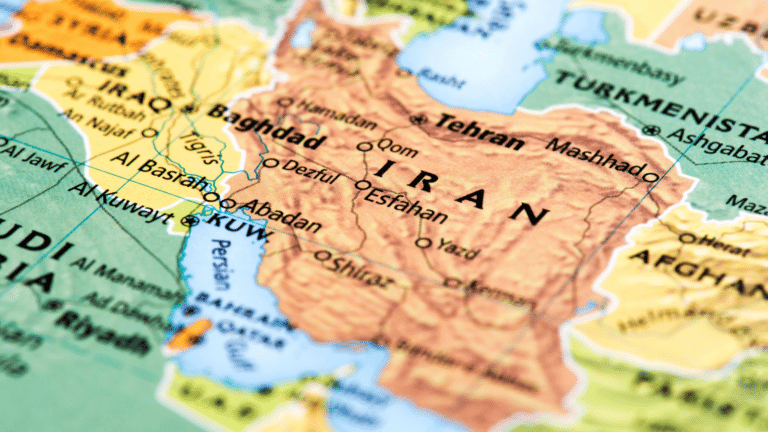
On February 28, the United States and Israel launched an attack on Iran, resulting in the deaths of Iranian Supreme Leader Ali Hosseini Khamenei and senior Iranian leaders...