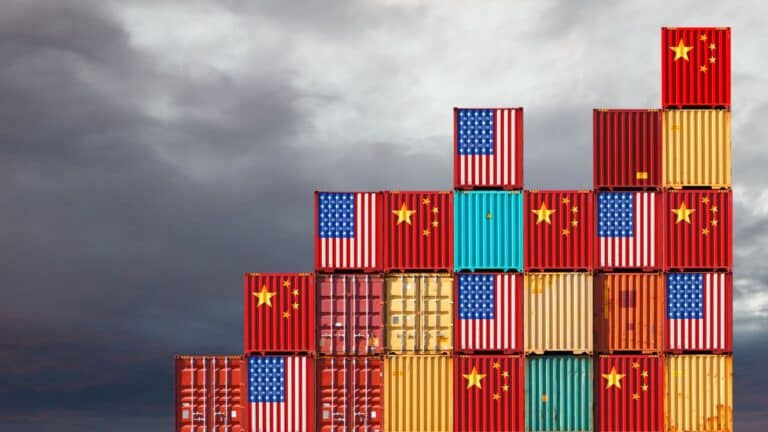
Could a strategic lithium reserve kickstart US supply chain development?
NEW YORK -- A strategic lithium reserve is being mooted as a solution to stabilize volatile prices that have hindered American mining projects, allowi
Current Access Level “I” – ID Only: CUID holders, alumni, and approved guests only
Get the latest as our experts share their insights on global energy policy.
This Energy Explained post represents the research and views of the author(s). It does not necessarily represent the views of the Center on Global Energy Policy. The piece...
Hear in-depth conversations with the world’s top energy and climate leaders from government, business, academia, and civil society.
If it seems like you're hearing a lot more about geothermal energy lately, that's because this clean, firm energy source is at a technological turning point. With roots...
Find out more about our upcoming and past events.
On January 1, 2026, the European Union's highly-anticipated Carbon Border Adjustment Mechanism (CBAM) will take effect. Introduced in 2023, CBAM will require the importers of certain carbon-intensive goods...
Past Event
December 18, 2014
4:00 am - 12:00 pm
Please join Columbia University’s Center on Global Energy Policy, Center for Israeli Legal Studies, and the Richman Center for Law Business and Public Policy as well as the Institute for National Security Studies for a conference on Israel, the United States, and the Shifting Global Energy Landscape. Amongst others, our distinguished speakers include:
The full speaker list and agenda is available here (PDF).
Registration is required. To register, please email Barbara Lester at: [email protected]
This event will also be broadcast live on the INSS website. Simultaneous translation will be available.
For more information contact: [email protected]
The Columbia Global Energy Summit 2026 is an annual event dedicated to thought-provoking discussions around the critical energy and climate challenges facing the global community.
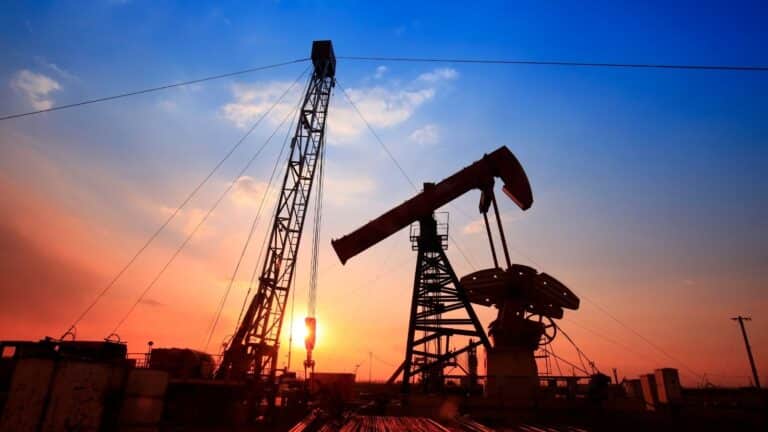
On October 22, the United States Department of the Treasury announced the imposition of sanctions on Russia’s two largest oil companies, Rosneft and Lukoil, as a penalty for what it characterized as a lack of Russian commitment to ending the war in Ukraine.

As the Israel-Iran conflict continues to unfold, it remains unclear whether a ceasefire will hold or fighting will resume. This uncertainty carries significant implications for energy markets in the Middle East and around the world.
On the night of June 12, the Israeli military conducted widespread strikes on sites in Iran that targeted the country’s nuclear program and its senior military leadership.
President Donald Trump’s impulsive, go-it-alone approach is uniquely ill-suited to the long-term and cross-cutting nature of the challenge that China poses.
As the host of COP30, Brazil has an unprecedented platform to demonstrate its climate leadership.

The global clean energy economy today looks starkly different than it did even 10 years ago. Not only have production and deployment of clean energy technologies expanded significantly, the geographic distribution of clean energy manufacturers, resellers, and end-users has shifted dramatically.