Please join Columbia University’s Center on Global Energy Policy, Center for Israeli Legal Studies, and the Richman Center for Law Business and Public Policy as well as the Institute for National Security Studies for a conference on Israel, the United States, and the Shifting Global Energy Landscape. Amongst others, our distinguished speakers include:
- Naftali Bennett, Minister of the Economy, Israel;
- Jason Bordoff, Founding Director, Center on Global Energy Policy, Columbia University;
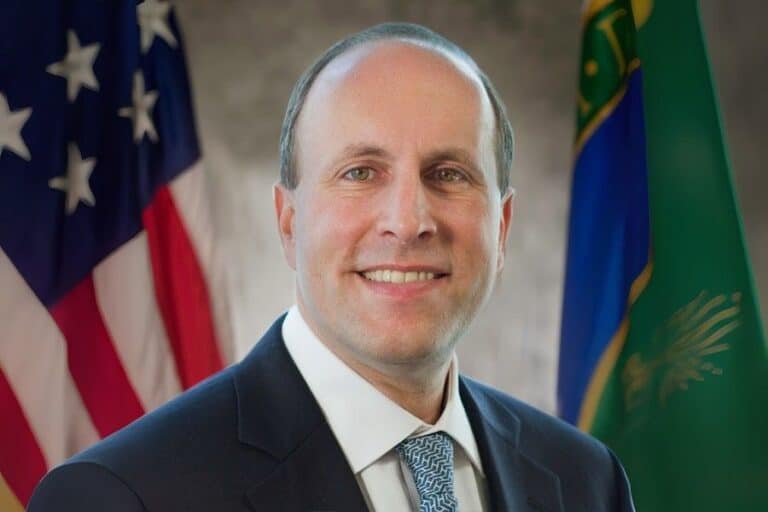
- Amos Hochstein, Special Envoy and Coordinator for International Energy Affairs, US Department of State;
- David Schizer, Dean Emeritus and the Harvey R. Miller Professor of Law and Economics, Columbia Law School;
- Gideon Tadmor, CEO, Avner Oil, and Chairman, Delek Drilling;
- Dr. Harold Vinegar, Chief Scientist, Israel Energy Initiatives;
- Andrew Walker, Vice President for Global LNG, BG Group;
- Amos Yadlin, Director, Institute for National Security Studies; and
- Shaul Zemach, Former Director General of the Energy and Water Ministry, Israel.
The full speaker list and agenda is available here (PDF).
Registration is required. To register, please email Barbara Lester at: [email protected]
This event will also be broadcast live on the INSS website. Simultaneous translation will be available.
For more information contact: [email protected]