Europe’s economy faces a one-two punch from extreme weather and war
Soaring temperatures are forcing drastic measures in Europe, where heatwaves are straining an economy under pressure from higher energy prices due to the Iran war.
Get the latest as our experts share their insights on global energy policy.
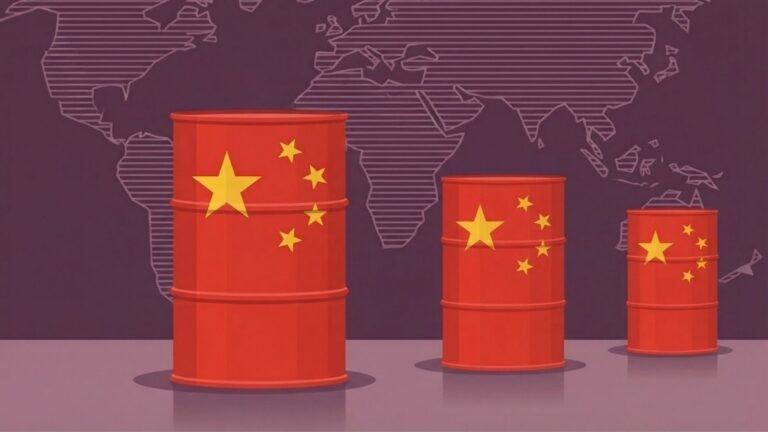
The ongoing disruption of oil exports through the Strait of Hormuz has caused a substantial decline in China's crude oil imports.
Hear in-depth conversations with the world’s top energy and climate leaders from government, business, academia, and civil society.
It started last year as a pressure campaign at sea, with the United States seizing tankers as part of what President Trump called a “total and complete blockade”...

Find out more about our upcoming and past events.
Join industry leaders, innovators, employers, and emerging talent for an evening exploring the technologies, trends, and career opportunities shaping the future of climate tech.

Past Event
February 11, 2014
7:30 am - 9:00 am
Columbia University Morningside Campus International Affairs Building, Room 1501
Past Event
February 11, 2014
7:30 am - 9:00 am
Columbia University Morningside Campus International Affairs Building, Room 1501
More than a month into the Iran conflict, the United States and Iran are at a critical inflection point.
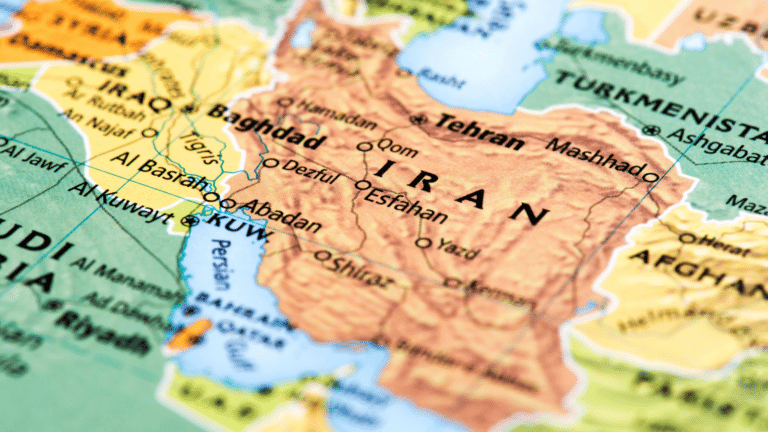

On February 28, the United States and Israel launched an attack on Iran, resulting in the deaths of Iranian Supreme Leader Ali Hosseini Khamenei and senior Iranian leaders...

Join us for an in-person event exploring careers and opportunities in the rapidly evolving electric vehicle and sustainable transportation ecosystem.
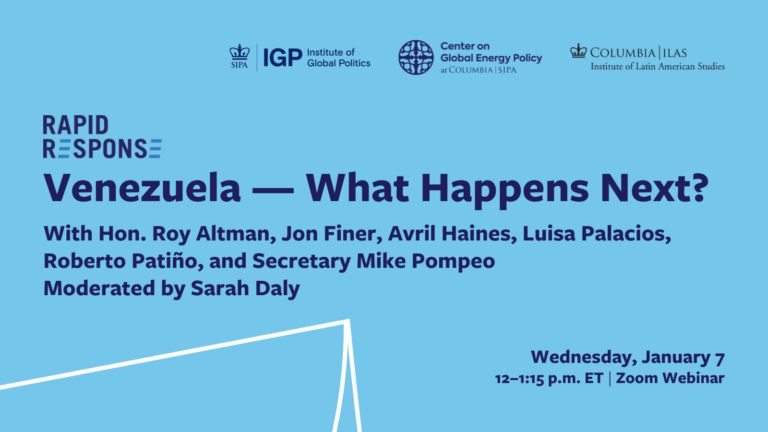
The recent military operation to remove Venezuelan President Nicolás Maduro and First Lady Cilia Flores raises several implications for the future of Venezuela and Latin America, geopolitics, and energy markets. Cosponsored by SIPA’s Institute of Global Politics (IGP) and Center for Global Energy Policy (CGEP), along with Columbia’s Institute of Latin American Studies (ILAS), this webinar will analyze the circumstances and impact of their capture and extradition to New York to face narcoterrorism and drug trafficking charges.
By almost any measure, the world should be suffering a far more severe energy crisis.
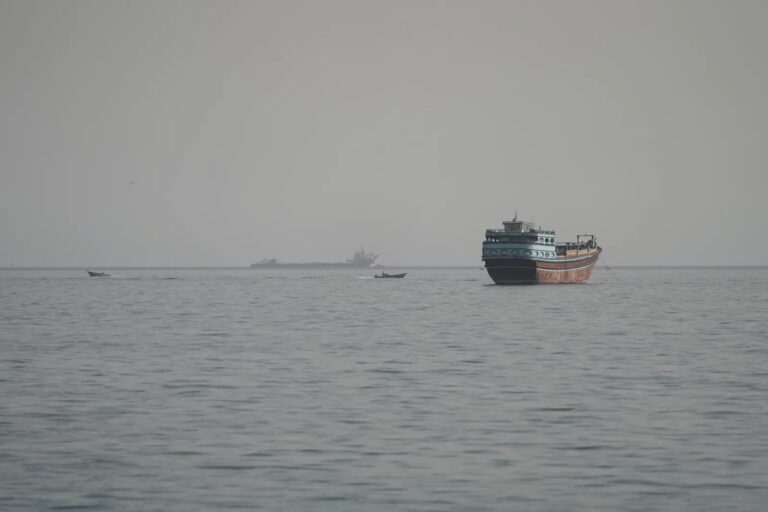
The ongoing disruption of oil exports through the Strait of Hormuz has caused a substantial decline in China's crude oil imports.
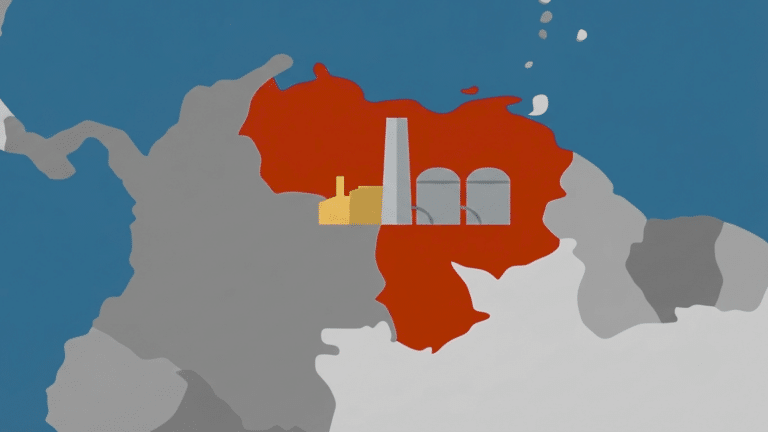
The economic and humanitarian consequences of the June 24 twin earthquakes in Venezuela continue to emerge.