Current Access Level “I” – ID Only: CUID holders, alumni, and approved guests only
Read more about the campus status level system and campus access information.
This website uses cookies as well as similar tools and technologies to understand visitors’ experiences. By continuing to use this website, you consent to Columbia University’s usage of cookies and similar technologies, in accordance with the Columbia University Website Cookie Notice.
On February 28, the United States and Israel launched a campaign against Iran targeting military infrastructure and the regime's core leadership. Supreme Leader Ayatollah Ali Khamenei and several...
On February 28, the United States and Israel launched an attack on Iran, resulting in the deaths of Iranian Supreme Leader Ali Hosseini Khamenei and senior Iranian leaders...
Event
About Us
We are the premier hub and policy institution for global energy thought leadership. Energy impacts every element of our lives, and our trusted fact-based research informs the decisions that affect all of us.
Since the start of the war in Ukraine in February 2022, the global gas market has witnessed considerable changes. This is particularly the case for the global LNG market, as LNG flows were massively redirected to Europe in 2022. The year 2023 seems to mark a period of calm after the storm. LNG trade grew by 2.1% in 2023, lower than the 5.6% growth experienced in 2022. The US became the world’s largest LNG exporter ahead of Qatar and Australia, while the number of LNG importing countries increased to 48. Still, tensions remain with the droughts impacting the transit through the Panama Canal while the attacks on vessels in the Red Sea impacted the flows through the Suez Canal.
In June 2024, the International Group of Liquefied Natural Gas Importers (GIIGNL) released its 2024 Annual Report, which provides key figures and trends of the LNG market in 2023. As in previous editions, the report contains key LNG import and export data by country, as well as the LNG trade matrix for both total LNG trade and short and spot LNG trade. It also provides updates on the evolution of LNG regasification and liquefaction capacity, the LNG fleet and new LNG contracts signed.
Join the Center on Global Energy Policy at Columbia University’s School of International and Public Affairs for a discussion on the main findings of GIIGNL’s 2024 Annual report.
Moderator:
Anne-Sophie Corbeau, Global Research Scholar, Center on Global Energy Policy at Columbia SIPA
Event Panelists:
Laurent David, General Delegate, GIIGNL
Carole Etienne, Gas Analyst, International Energy Agency
Tom Marzec-Manser, Head of Gas Analytics, ICIS
—
This webinar will be hosted via Zoom. Advance registration is required. Upon registration, you will receive a confirmation email with access details. The event will be recorded and the video recording will be added to our website following the event.
This event is open to press, and registration is required to attend. For media inquiries or requests for interviews, please contact Alice Manos ([email protected]).
For more information about the event, please contact [email protected].
On February 28, the United States and Israel launched an attack on Iran, resulting in the deaths of Iranian Supreme Leader Ali Hosseini Khamenei and senior Iranian leaders...
https://www.youtube.com/watch?v=vWh5WQVVMLc Global gas markets are set to undergo major changes by the end of the decade, with the coming wave of liquefied natural gas (LNG) production capacity poised...
*Registration is closed for this event. The Center on Global Energy Policy at Columbia University SIPA's Women in Energy initiative, in collaboration with the Columbia Policy Institute, invites...
Event
• International Affairs Building,
Columbia SIPA
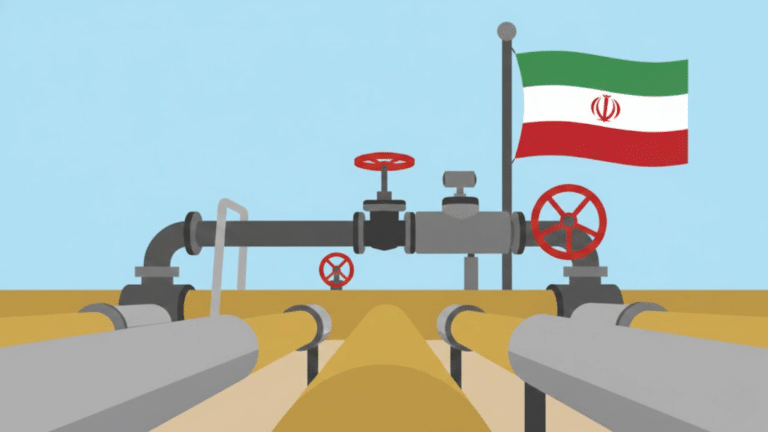
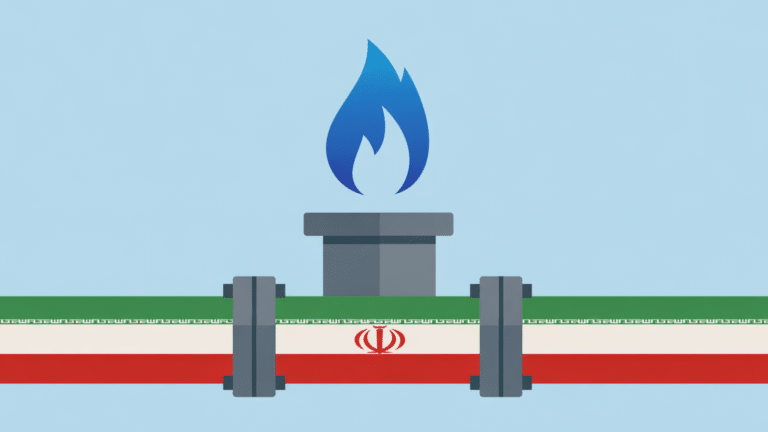
Iran has among the world's largest natural gas resource bases, but its ability to supply regional and global markets is constrained by sanctions, underinvestment, and limited export infrastructure.