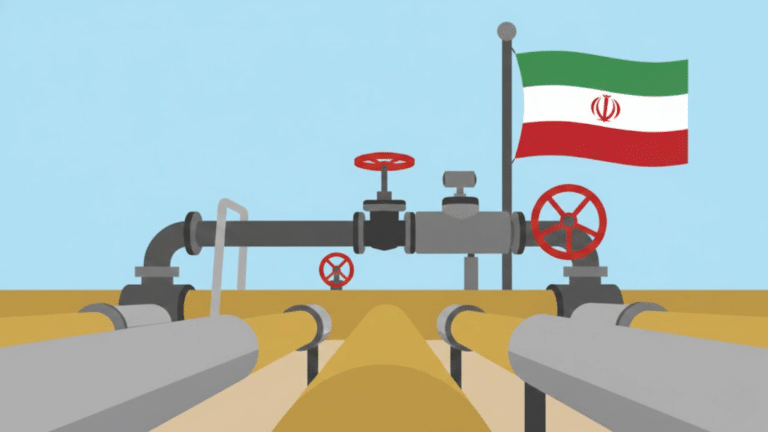
War With Iran Isn’t Just an Oil Story
The U.S.-Israeli campaign will have, if anything, bigger implications for liquified natural gas.
Current Access Level “I” – ID Only: CUID holders, alumni, and approved guests only
Get the latest as our experts share their insights on global energy policy.
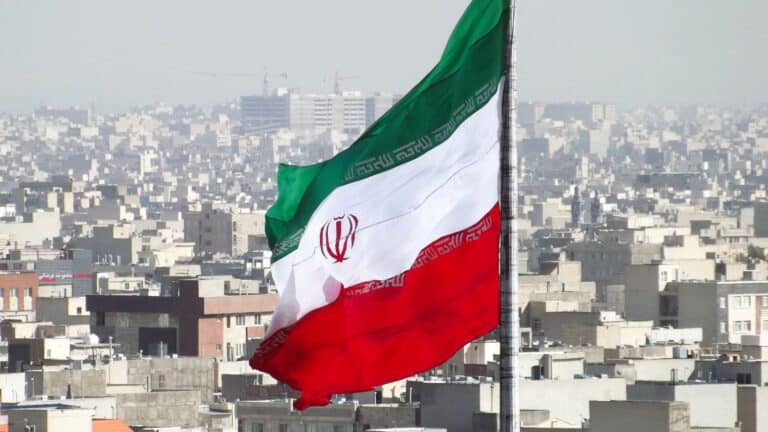
On February 28, the US and Israel launched new attacks on Iran targeting primarily the country's leadership, security forces, and missile program.
Hear in-depth conversations with the world’s top energy and climate leaders from government, business, academia, and civil society.
On February 28, the United States and Israel launched a campaign against Iran targeting military infrastructure and the regime's core leadership. Supreme Leader Ayatollah Ali Khamenei and several...
Find out more about our upcoming and past events.
On February 28, the United States and Israel launched an attack on Iran, resulting in the deaths of Iranian Supreme Leader Ali Hosseini Khamenei and senior Iranian leaders...

Past Event
October 6, 2016
6:00 am - 7:30 am
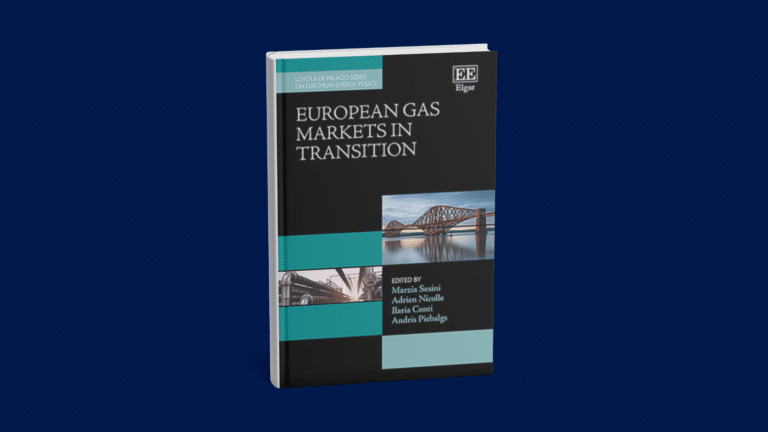
The Golden Age of natural gas, announced by the IEA only a couple of years ago, has not materialized in Europe to date. In the electricity sector, gas increasingly finds itself squeezed between cheap coal and subsidized renewable energy sources. Domestic production of natural gas is declining more rapidly than anticipated, chiefly due to the Dutch government’s decision to curtail production at the largest natural gas field in Europe, to mitigate frequent earth tremors reported from the area. Geopolitical concerns remain widespread in Europe about the dominant role of Russia in the continent’s natural gas supply mix, and the possibility that it might gain further market share in Europe over the medium-term. Yet the times are changing. It is broadly acknowledged that we are entering a period of oversupply in the global natural gas market, predominantly fueled by a massive ramp-up of exports of liquefied natural gas from Australia and the United States.
On February 28, the United States and Israel launched an attack on Iran, resulting in the deaths of Iranian Supreme Leader Ali Hosseini Khamenei and senior Iranian leaders...
https://www.youtube.com/watch?v=vWh5WQVVMLc Global gas markets are set to undergo major changes by the end of the decade, with the coming wave of liquefied natural gas (LNG) production capacity poised...

*Registration is closed for this event. The Center on Global Energy Policy at Columbia University SIPA's Women in Energy initiative, in collaboration with the Columbia Policy Institute, invites...

Women in Energy at the Center on Global Energy Policy at Columbia SIPA is pleased to host Anne-Sophie Corbeau.
Anne-Sophie Corbeau and leading experts explore how Europe's gas sector is being reshaped by geopolitical shocks.
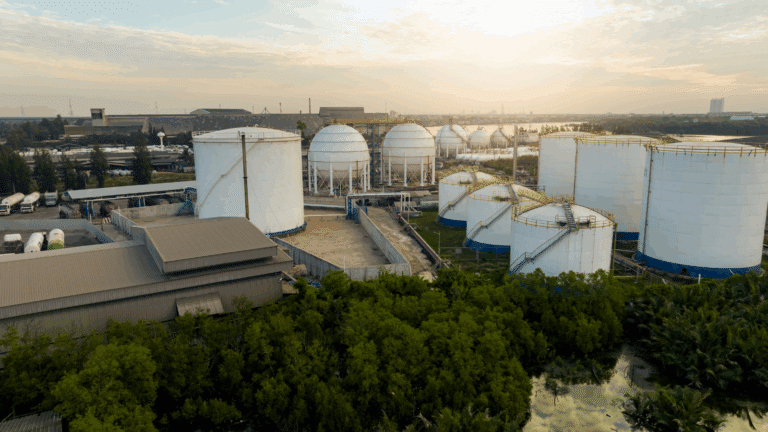
Iran has among the world's largest natural gas resource bases, but its ability to supply regional and global markets is constrained by sanctions, underinvestment, and limited export infrastructure.