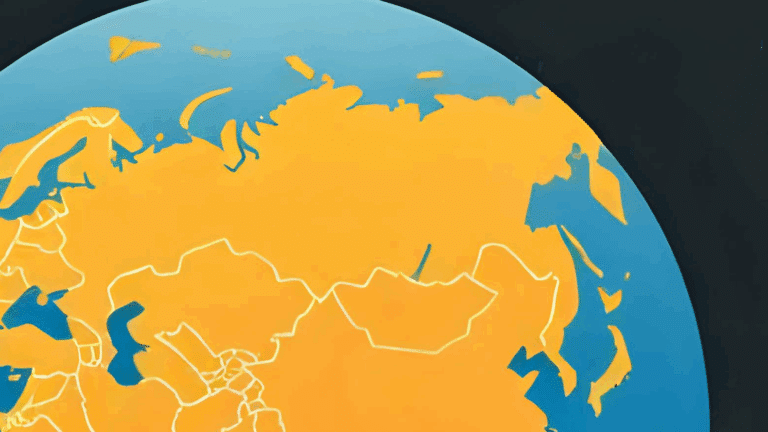
The Harriman Institute and Center on Global Energy Policy hosted a discussion on the future of energy in the Arctic. With a changing climate and rapidly melting ice caps, the Arctic is becoming a hot spot for future hydrocarbon production. The U.S. Geological Survey estimates that 30% of the world’s undiscovered gas and 13% of the world’s undiscovered oil is hidden in the region. So what does this mean for riparian Arctic countries? Are their oil/gas companies ready for exploration and production? Are countries and companies ready to cooperate in case of emergency situations? In addition to environmental and technological issues, Arctic exploration evokes geopolitical tensions: overlapping territorial claims, Arctic Sea routes and the militarization of Russia’s Arctic.
Participants included:
- Sharon Burke, Senior Advisor, New America Foundation and former Assistant Secretary of Defense for Operational Energy Plans and Programs, U.S. Department of Defense
- Antoine Halff, Fellow and Global Oil Markets Program Director, Center on Global Energy Policy
- Niel Lawrence, Alaska Director, Natural Resource Defense Council
- Lucian Pugliaresi, President of Energy Policy Research Foundation
The discussion was moderated by Natasha Udensiva, Lecturer in International and Public Affairs at SIPA, and Zachary Sadow, Visiting Scholar at the Harriman Institute and E&P Analyst at Barclays, with Alex Cooley, Director of the Harriman Institute, providing introductory remarks.