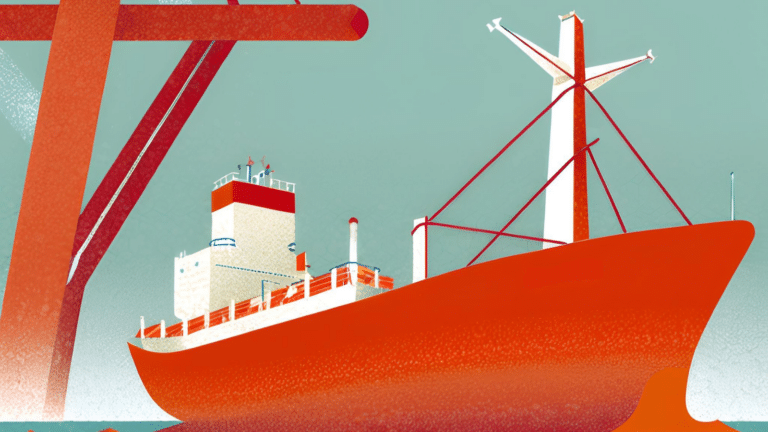
“Ce serait suicidaire” : pourquoi l’Europe redoute sa dépendance au gaz américain
Au rythme actuel, les Etats-Unis pourraient fournir 80 % du GNL dont les Européens ont besoin en 2030. Bien trop risqué dans un contexte géopolitique tendu.
Current Access Level “I” – ID Only: CUID holders, alumni, and approved guests only
Past Event
September 26, 2013
11:30 am - 12:45 pm
Please join the Center on Global Energy Policy for a presentation by James Cameron, Founder and Chairman of Climate Change Capital, London. Mr. Cameron will discuss how investment in sustainable energy, low-carbon, and resource-efficient infrastructure is expanding rapidly across geographies and how investors, policymakers, and entrepreneurs can contribute to unlocking the necessary capital and skills to build a resilient and sustainable economy. A moderated discussion will follow.
Registration is required. This event is open to the press
Join the NYU SPS Center for Global Affairs, the Center on Global Energy Policy at Columbia University SIPA Women in Energy Initiative (WIE), and the NYU SPS Energy,...
The Center on Global Energy Policy (CGEP) at Columbia SIPA and the Fashion, Energy, and Climate Network invite you to join the first session of our new talk...
The Columbia Global Energy Summit 2026 is an annual event dedicated to thought-provoking discussions around the critical energy and climate challenges facing the global community.
This event is open to Columbia University students only. Join the Center on Global Energy Policy’s Women in Energy initiative for an interactive discussion on human rights and...
Models can predict catastrophic or modest damages from climate change, but not which of these futures is coming.
On November 6, 2025, in the lead-up to the annual UN Conference of the Parties (COP30), the Center on Global Energy Policy (CGEP) at Columbia University SIPA convened a roundtable on project-based carbon credit markets (PCCMs) in São Paulo, Brazil—a country that both hosted this year’s COP and is well-positioned to shape the next phase of global carbon markets by leveraging its experience in nature-based solutions.
Connecticut needs an honest debate, and fresh thinking, to shape a climate strategy fit for today, not 2022.