NY energy experts, advocates say Iran war shows need for Hochul to implement climate law
Gov. Hochul’s reliance on fossil fuels may end up costing more than renewables, clean energy advocates say.
Get the latest as our experts share their insights on global energy policy.
On February 28, the US and Israel launched new attacks on Iran targeting primarily the country's leadership, security forces, and missile program.
Hear in-depth conversations with the world’s top energy and climate leaders from government, business, academia, and civil society.
While US and Israeli forces have significantly degraded Iran’s military and nuclear capability, the global energy landscape remains in a precarious position. For weeks, the Strait of Hormuz...
Find out more about our upcoming and past events.
This roundtable is open only to currently enrolled Columbia University students. To register, you must sign in with your UNI. Join the Center on Global Energy Policy’s Women...
Past Event
October 5, 2016
7:00 am - 8:30 am
Britain’s decision to withdraw from the EU has sent shockwaves throughout the international community. It will require changes in many different areas of European and British policymaking, and its impact could linger for decades. No less important will be the increasingly important use of economic sanctions by the EU and UK in the conduct of their foreign policy. Favored by both in lieu of military force and diplomatic weight, economic sanctions have played a major role in the management and resolution of a variety of conflicts and issues around the world. How will this change in Europe in light of BREXIT? Will the UK retain its role and posture as an advocate and leader of economic sanctions? How should the United States respond?
On February 28, the United States and Israel launched an attack on Iran, resulting in the deaths of Iranian Supreme Leader Ali Hosseini Khamenei and senior Iranian leaders...


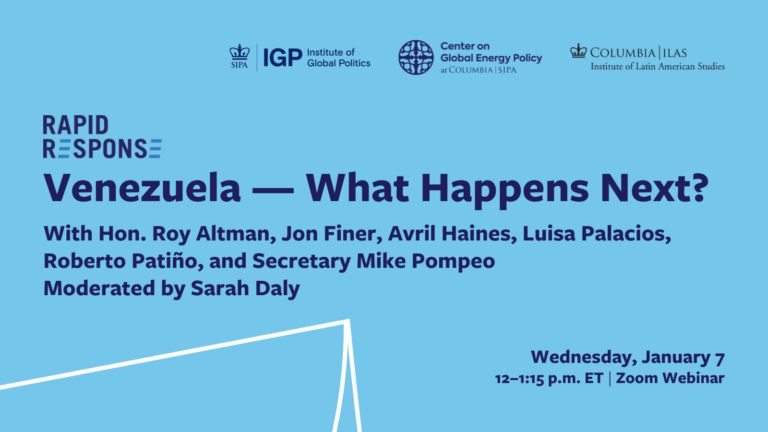
The recent military operation to remove Venezuelan President Nicolás Maduro and First Lady Cilia Flores raises several implications for the future of Venezuela and Latin America, geopolitics, and energy markets. Cosponsored by SIPA’s Institute of Global Politics (IGP) and Center for Global Energy Policy (CGEP), along with Columbia’s Institute of Latin American Studies (ILAS), this webinar will analyze the circumstances and impact of their capture and extradition to New York to face narcoterrorism and drug trafficking charges.
The Columbia Global Energy Summit 2026 is an annual event dedicated to thought-provoking discussions around the critical energy and climate challenges facing the global community.
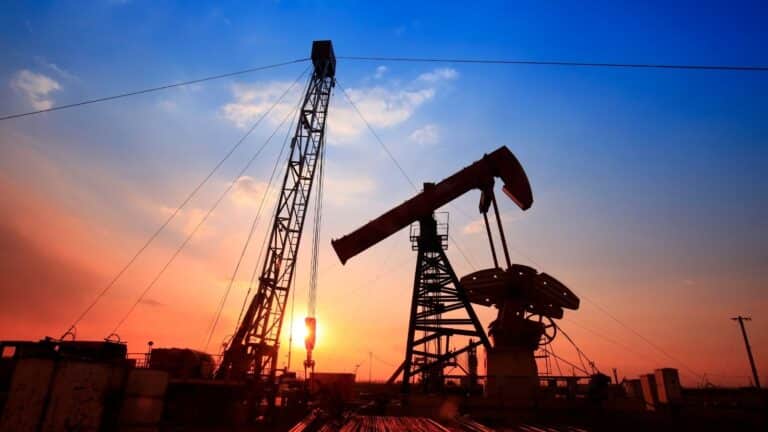
On October 22, the United States Department of the Treasury announced the imposition of sanctions on Russia’s two largest oil companies, Rosneft and Lukoil, as a penalty for what it characterized as a lack of Russian commitment to ending the war in Ukraine.
On February 28, the US and Israel launched new attacks on Iran targeting primarily the country's leadership, security forces, and missile program.
The war in Iran has significantly enhanced Latin America's geopolitical advantage as a reliable source of hydrocarbon resources.
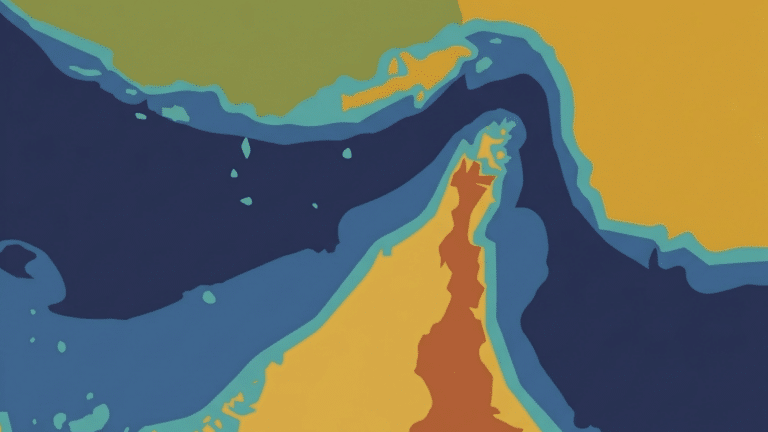
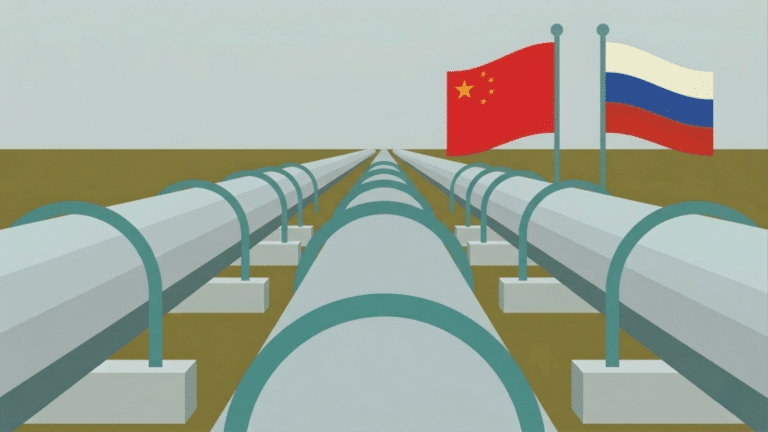
The Iran conflict could increase the appeal of Russia as an energy supplier for China.