This website uses cookies as well as similar tools and technologies to understand visitors’ experiences. By continuing to use this website, you consent to Columbia University’s usage of cookies and similar technologies, in accordance with the Columbia University Website Cookie Notice.
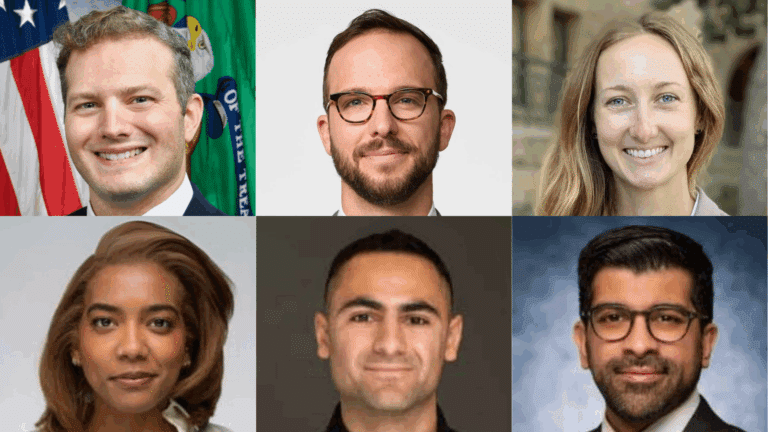
The Center on Global Energy Policy (CGEP) at Columbia University SIPA today announced new personnel additions who bring extensive experience from government and the private sector to the...
Announcement• July 3, 2025
Energy Explained
Get the latest as our experts share their insights on global energy policy.
The European Commission (EC) published a proposed regulation on June 17 to end Russian gas imports by the end of 2027; this followed the initial roadmap to do...
The global energy landscape is shifting right now. Geopolitical tensions in the Middle East, debates about peak oil demand, and waning support for climate action in some parts...
This year, the Third Annual Energy Opportunity Lab (EOL) Forum will take place July 7th and 8th in Washington, DC, offering a chance for the Washington policymaking community...
Event
About Us
We are the premier hub and policy institution for global energy thought leadership. Energy impacts every element of our lives, and our trusted fact-based research informs the decisions that affect all of us.
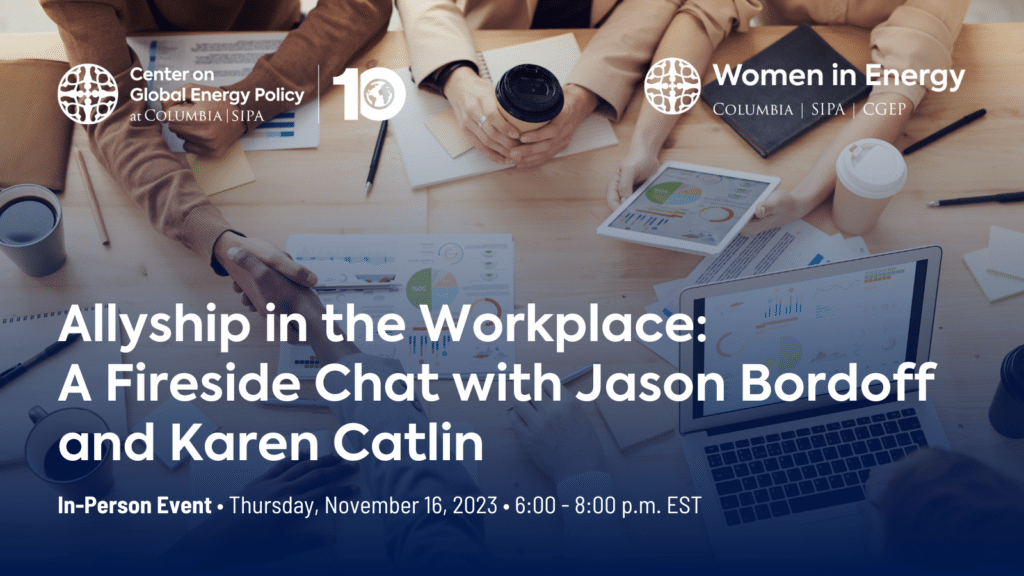
Allyship in The Workplace: A Fireside Chat with Jason Bordoff and Karen Catlin
Past Event
November 16, 2023
6:00 pm - 8:00 pm est
Share
Knowing how to be a better ally in the workplace is unfamiliar territory for many of us. The Center on Global Energy Policy at Columbia SIPA’s Women in Energy initiative invites you to a discussion about allyship. Join us for a fireside chat with Jason Bordoff, founding director of the Center on Global Energy Policy, and Karen Catlin, author of Better Allies and Belonging in Healthcare, who will discuss the challenges employees who are members of underrepresented groups face in the workplace and how to take action as an ally.
What is it to be an ally in the workplace? How can people in power use allyship to support underrepresented communities? Anyone interested in learning practical tips for how to be an ally in the workplace is encouraged to attend.
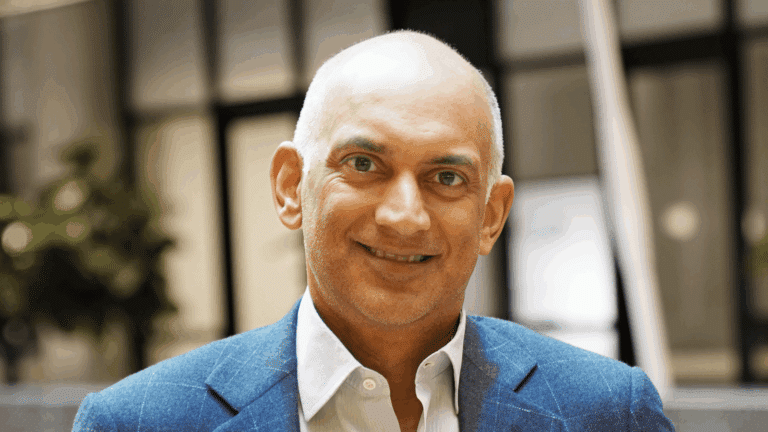
Biographies Jason Bordoff is the Founding Director of the Center on Global Energy Policy at Columbia University’s School of International and Public Affairs, where he is a Professor of Professional Practice. He is also on the faculty of the Columbia Climate School, where he is Co-Founding Dean Emeritus. He previously served as Special Assistant to President Barack Obama and Senior Director for Energy and Climate Change on the Staff of the National Security Council. Prior to that appointment, he held senior policy positions on the White House’s National Economic Council and Council on Environmental Quality. Earlier in his career, he was a scholar at the Brookings Institution, served in the Treasury Department during the Clinton administration, and was a consultant with McKinsey & Company. Bordoff holds a JD from Harvard University, an MLitt from Oxford University, and a BA from Brown University.
Karen Catlin After spending twenty-five years building software products and serving as a vice president of engineering at Macromedia and Adobe, Karen Catlin witnessed a sharp decline in the number of women working in tech. Frustrated but galvanized, she knew it was time to switch gears. Today, Karen is a highly acclaimed author and speaker on inclusive workplaces. She is the author of four books: Better Allies: Everyday Actions to Create Inclusive, Engaging Workplaces;Belonging in Healthcare; The Better Allies Approach to Hiring; and Present! A Techie’s Guide to Public Speaking.
—
This event will be hosted in person in New York City.
Advance registration is required. This event will be hosted in person and capacity is limited. We ask that you register only if you can attend this event in its entirety. Upon registration, you will receive a confirmation email.
This event is open to the press, and registration is required to attend. For media inquiries or requests for interviews, please contact Natalie Volk ([email protected]).
For more information about the event, please contact [email protected].
As the Israel-Iran conflict continues to unfold, it remains unclear whether a ceasefire will hold or fighting will resume. This uncertainty carries significant implications for energy markets in the Middle East and around the world.
On the night of June 12, the Israeli military conducted widespread strikes on sites in Iran that targeted the country’s nuclear program and its senior military leadership.
This year, the Third Annual Energy Opportunity Lab (EOL) Forum will take place July 7th and 8th in Washington, DC, offering a chance for the Washington policymaking community...
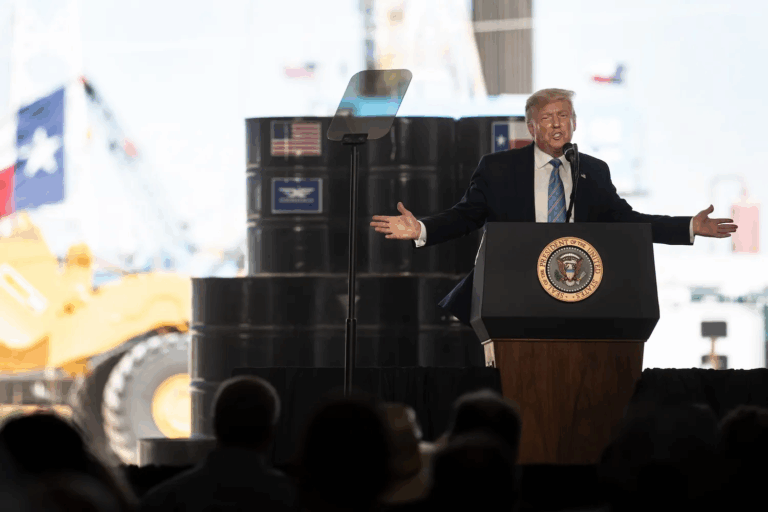
On May 23, President Donald Trump signed four executive orders that aim to reform the United States Nuclear Regulatory Commission, streamline National Laboratory processes for reactor testing, advance...
The European Commission (EC) published a proposed regulation on June 17 to end Russian gas imports by the end of 2027; this followed the initial roadmap to do...
China’s dependence on the energy supplies that move through the Strait of Hormuz makes it especially vulnerable to any possible closure of the waterway by Iran in retaliation for attacks by Israel and the United States.