This website uses cookies as well as similar tools and technologies to understand visitors’ experiences. By continuing to use this website, you consent to Columbia University’s usage of cookies and similar technologies, in accordance with the Columbia University Website Cookie Notice.
Energy Explained
Get the latest as our experts share their insights on global energy policy.
Why Restricting US Oil Exports Would Backfire
Media reports suggest the Trump Administration is considering restrictions on US oil exports. Officials have said such measures are not under discussion, according to media reports, but the...

Podcasts
Hear in-depth conversations with the world’s top energy and climate leaders from government, business, academia, and civil society.
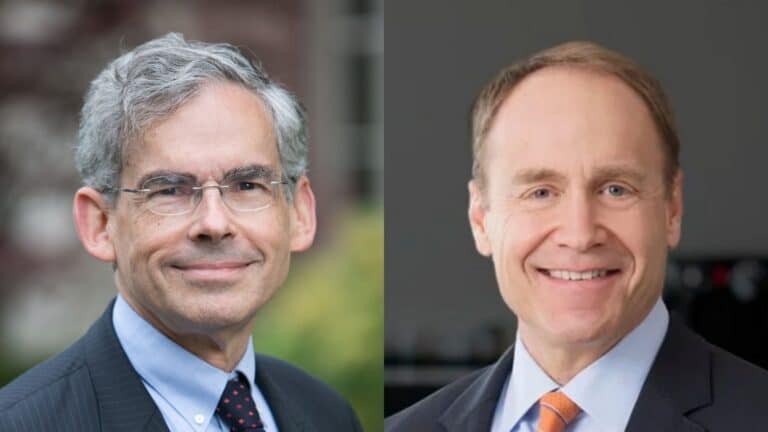
Michael Gerrard and Jeff Holmstead on Next Chapter in US Climate Policy
The climate policy landscape in the US is in flux. Last month, the Environmental Protection Agency repealed its own power to regulate greenhouse gases. Two weeks later, the...
Columbia Energy Exchange Podcast
• March 17, 2026
Events
Find out more about our upcoming and past events.
March 26, 2026
• 12:00 pm - 1:00 pm
edt
Fashion in the Energy Transition Talk Series | Session 2
This roundtable is open only to currently enrolled Columbia University students. To register, you must sign in with your UNI. The Center on Global Energy Policy (CGEP) at...
Event
• Center on Global Energy Policy
1255 Amsterdam Ave, New York, NY 10027
1255 Amsterdam Ave, New York, NY 10027

Podcast
Dr. Paul Joskow – Transition in U.S. Power Markets
February 25, 2018
Host Jason Bordoff sits down with Dr. Paul Joskow to discuss the history and outlook for power markets in the United States. Joskow, a leading scholar in energy and environmental economics, utility markets and regulation, recently stepped down as President of the Alfred P. Sloan Foundation and is back at the Massachusetts Institute of Technology where he has served as a member of the faculty since 1972.
Among many topics Jason and Paul discuss, several include: the history and outlook for competitive power markets; whether or not renewable energy can accomplish deep decarbonization goals; the connection between resilience, reliability and the rise of natural gas and renewable energy sources; and the role of philanthropic organizations in research and advocacy on climate change.
More Episodes
Michael Gerrard and Jeff Holmstead on Next Chapter in US Climate Policy
The climate policy landscape in the US is in flux. Last month, the Environmental Protection Agency repealed its own power to regulate greenhouse gases. Two weeks later, the...
Columbia Energy Exchange Podcast
• March 17, 2026
Iran Conflict Brief: A ‘Tacit Bargain’ Protecting Gulf Energy
As the US-Israeli military campaign against Iran enters its third week, the complexities of the global energy landscape are deepening by the hour. Shut-ins of Middle Eastern upstream...

Iran Conflict Brief: What It Will Take to Open Up the Strait of Hormuz
In energy markets, all eyes are on the Strait of Hormuz. As of March 11, 2026, this vital passage is effectively closed to tanker traffic, stranding almost a...
How the Iran Conflict Is Reshaping Russia and China’s Energy Security
Since the US-Israeli bombing campaign began in Iran, energy markets around the world have been on edge as the conflict threatens immediate and long-term energy supplies. We’ve seen...
Columbia Energy Exchange Podcast
• March 10, 2026

Relevant
Publications
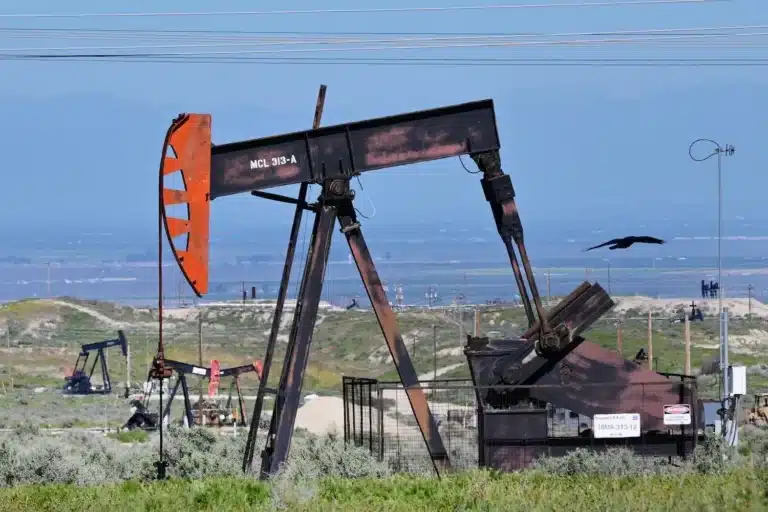
Why Restricting US Oil Exports Would Backfire
Media reports suggest the Trump Administration is considering restrictions on US oil exports. Officials have said such measures are not under discussion, according to media reports, but the...
Making the U.S. More Resilient to Oil Price Shocks
The oil shock triggered by the crisis in the Persian Gulf has pushed crude above $100 per barrel, reviving familiar fears of economic turmoil in the United States driven by surging gasoline and diesel prices.
Live Updates: US-Israeli Attacks on Iran and Global Energy Impacts
On February 28, the US and Israel launched new attacks on Iran targeting primarily the country's leadership, security forces, and missile program.
Blog
by Anne-Sophie Corbeau, Erica Downs, Ira Joseph, Richard Nephew, Daniel Sternoff, Karen E. Young, Robin Mills & Neelesh Nerurkar • March 17, 2026
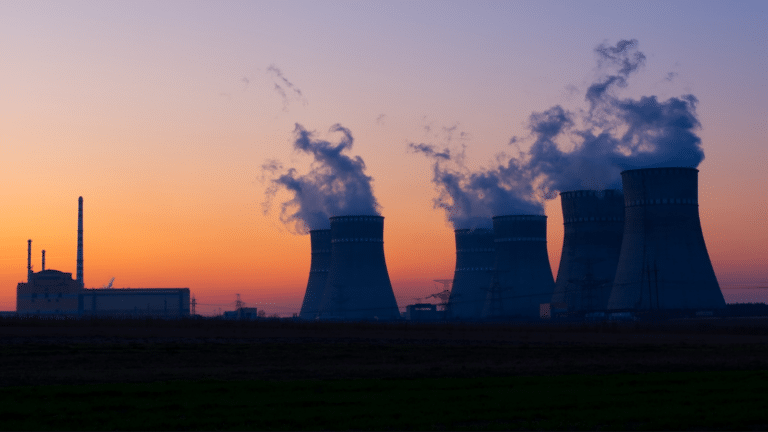
The Importance of an Independent Nuclear Safety Regulator: Roundtable Summary
On February 24, 2026, CGEP hosted a private virtual roundtable under the Chatham House rule to discuss the importance of an independent nuclear safety regulator.