Coinbase co-founder’s Venezuela oil bet could ripple into crypto
Fred Ehrsam, who was a co-founder of Coinbase and is still a member of the board of Coinbase, has spent long months of his life living in one of the hotels of
Get the latest as our experts share their insights on global energy policy.
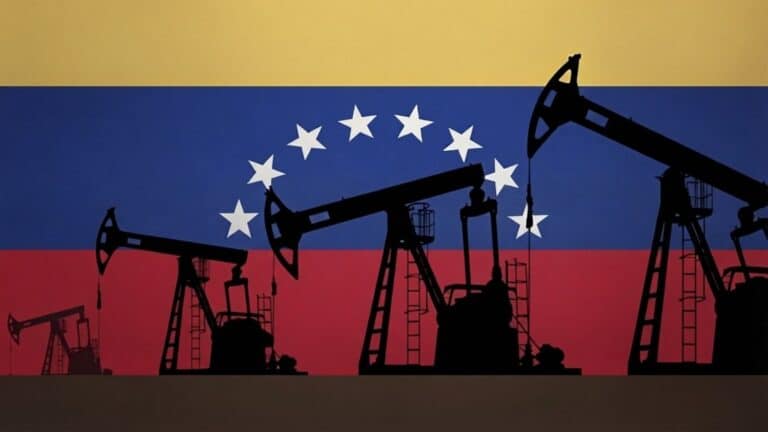
The White House announced last week an oil deal for more than 65 billion barrels of oil reserves in Venezuela and a 35% equity stake in North American Blue Energy Partners (NABEP).
Hear in-depth conversations with the world’s top energy and climate leaders from government, business, academia, and civil society.
It's been a tumultuous year for Venezuela, marked by political upheaval and deadly earthquakes. Then, in late August, the Trump administration announced a deal for over 65 billion...
Find out more about our upcoming and past events.
Join Women in Energy at Columbia University's Center on Global Energy Policy for a virtual information session on careers at the World Bank Group. The World Bank Group...

Author(s): Cazzola, Pierpaolo; Murphy, Colin; Kang, Laedon; Ro, Jin Wook; Wolff, Christoph; Teter, Jacob
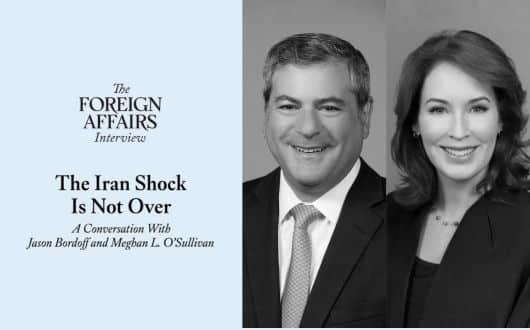
A Conversation With Jason Bordoff and Meghan L. O'Sullivan. Podcast hosted by Foreign Affairs Editor Dan Kurtz-Phelan.
âBloomberg: The China Showâ is your definitive source for news and analysis on the world's second-biggest economy. From politics and policy to tech and trend...
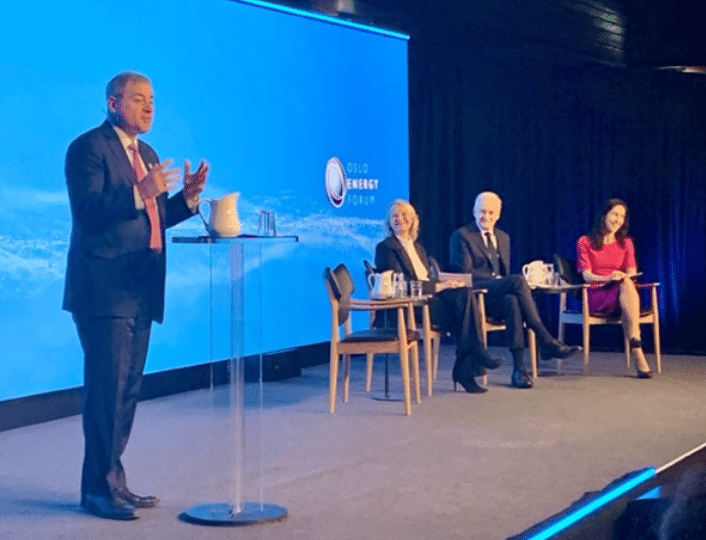
I’m en route home after a week in Europe—first at the Oslo Energy Forum and then at the Munich Security Conference. Munich generated considerable news and drama, but...
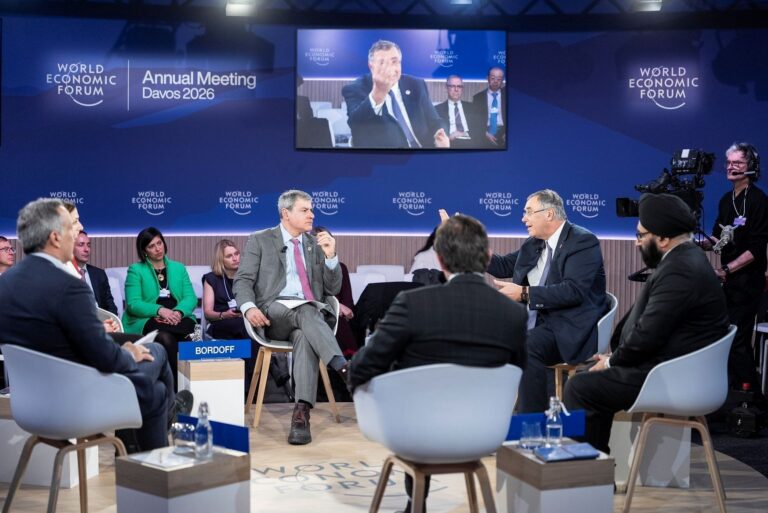
As the train pulls away from Davos Dorf station through the snow-capped Swiss mountains, I find myself reflecting on a rather extraordinary week at the World Economic Forum’s Annual Meeting in Davos. While many questioned Davos’ continuing relevance last year, it is difficult to argue that this year’s gathering was not among the most consequential in recent memory, shaped in large part by President Trump’s dominant presence throughout the week’s discussions.
The White House announced last week an oil deal for more than 65 billion barrels of oil reserves in Venezuela and a 35% equity stake in North American Blue Energy Partners (NABEP).
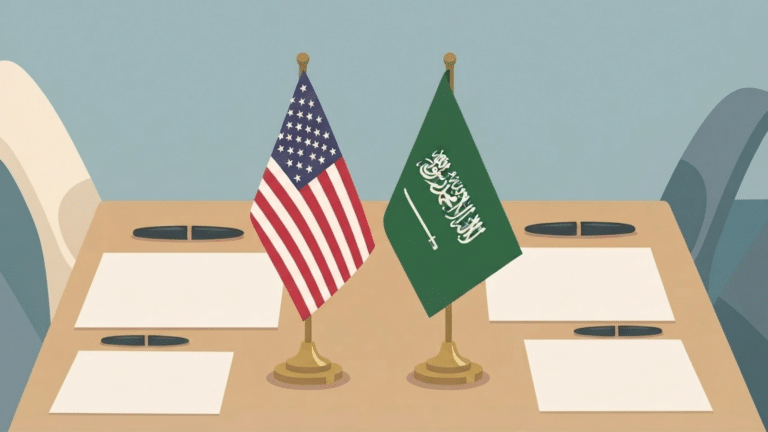
The Trump administration and Saudi leadership have reportedly agreed to a nuclear agreement that could enable US nuclear technology transfers to Saudi Arabia.