This website uses cookies as well as similar tools and technologies to understand visitors’ experiences. By continuing to use this website, you consent to Columbia University’s usage of cookies and similar technologies, in accordance with the Columbia University Website Cookie Notice.
In March 2026, the Office of the US Trade Representative (USTR) announced it was investigating "structural excess capacity and production in manufacturing sectors" in 16 economies.
For years, the energy transition was discussed as a shift that would happen in steady, predictable increments. But a massive surge in electricity demand in recent years—now colliding...
We are the premier hub and policy institution for global energy thought leadership. Energy impacts every element of our lives, and our trusted fact-based research informs the decisions that affect all of us.
China-US climate progress could hinge on curbing of methane
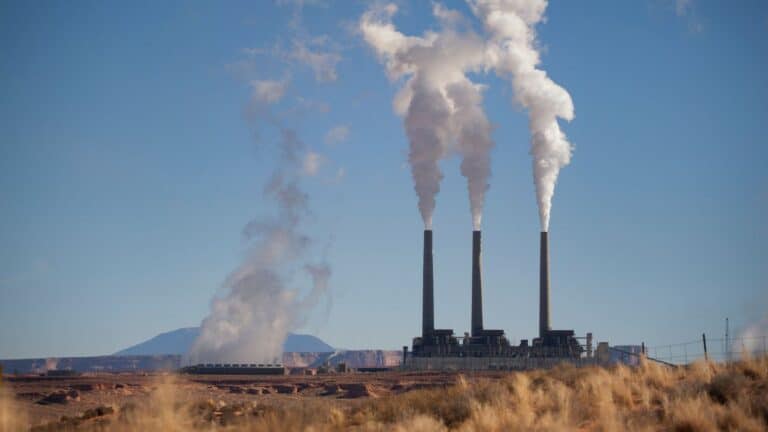
This week's visit by U.S. climate envoy John Kerry to China after years of diplomatic disruptions could boost cooperation between the world's two biggest greenhouse gas polluters on the key issue of methane emissions.
âBloomberg: The China Showâ is your definitive source for news and analysis on the world's second-biggest economy. From politics and policy to tech and trend...
Gov. Kathy Hochul has announced revisions to the state’s greenhouse gas emissions targets that will push off its 2030 deadline. Organizers believe residents are already suffering.
The decline of domestic fossil fuel production in the United States poses serious economic risks for communities that rely on fossil fuel industries for jobs and public revenues. Many of these communities lack the resources and capacity to manage those risks on their own. The absence of viable economic strategies for affected regions is a barrier to building the broad, durable coalitions needed for an equitable national transition to cleaner energy sources.