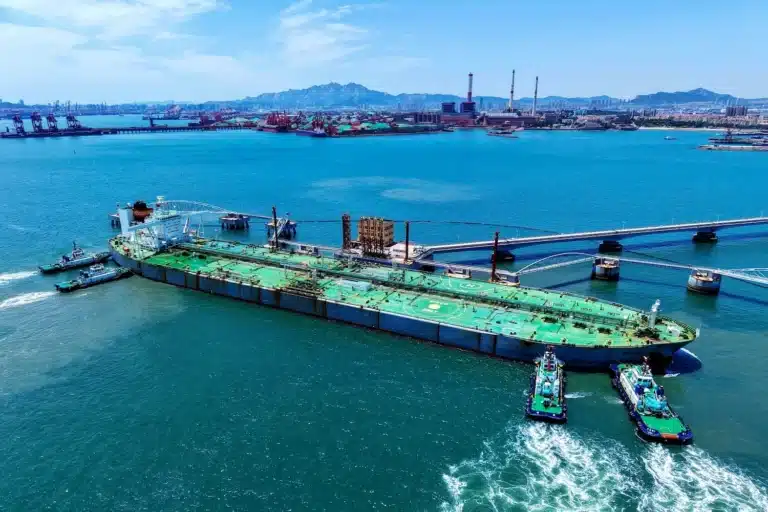
US-Israeli War on Iran Upends Gulf States’ Safe-Haven Image, Plans for Post-Oil Economies
Tushar Gagerna, an Indian marketing professional based in Dubai, had been waiting for two hours for his plane to take off from
Current Access Level “I” – ID Only: CUID holders, alumni, and approved guests only
Get the latest as our experts share their insights on global energy policy.
On February 28, the US and Israel launched new attacks on Iran targeting primarily the country's leadership, security forces, and missile program.
Hear in-depth conversations with the world’s top energy and climate leaders from government, business, academia, and civil society.
The climate policy landscape in the US is in flux. Last month, the Environmental Protection Agency repealed its own power to regulate greenhouse gases. Two weeks later, the...
Find out more about our upcoming and past events.
This roundtable is open only to currently enrolled Columbia University students. To register, you must sign in with your UNI. The Center on Global Energy Policy (CGEP) at...

FERC Commissioner
The National Academy of Engineering has called the American power grid the “supreme engineering achievement of the 20th century.” A network of generation, transmission and distribution, the grid brings reliable and affordable electricity virtually all the time to virtually all Americans, providing a service essential to the nation’s economy, security and wellbeing. But the structure and management of the grid are both changing rapidly. Information technology and increasingly networked systems, distributed generation and more intermittent energy sources, smart grids and new technologies that link our appliances, cars, and smartphones to the grid, provide great benefits but also pose potential risks. Threats of cybersecurity, physical security, natural disasters must be addressed, as well as local opposition to new infrastructure and simply aging infrastructure and limited resources. All of these make maintaining the reliability and affordability of electricity services a daunting challenge.
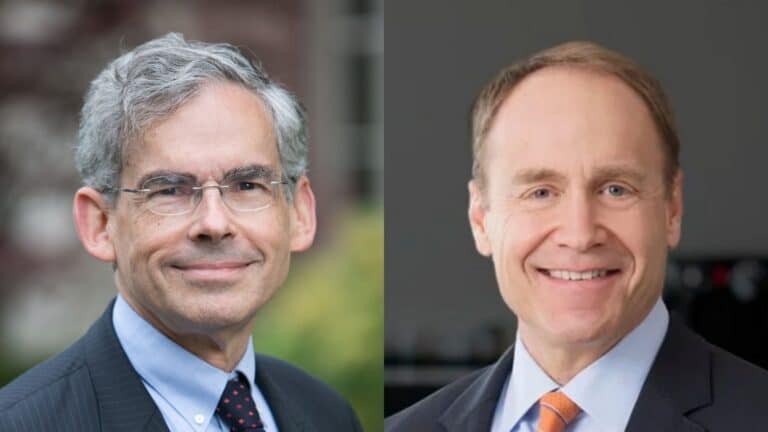
On this episode of Columbia energy Exchange, host Jason Bordoff sits down with Cheryl LaFleur, Commissioner at the Federal Energy Regulatory Commission (FERC) to discuss the challenges and opportunities facing the grid today. Among the topics of they address:
The climate policy landscape in the US is in flux. Last month, the Environmental Protection Agency repealed its own power to regulate greenhouse gases. Two weeks later, the...
As the US-Israeli military campaign against Iran enters its third week, the complexities of the global energy landscape are deepening by the hour. Shut-ins of Middle Eastern upstream...
In energy markets, all eyes are on the Strait of Hormuz. As of March 11, 2026, this vital passage is effectively closed to tanker traffic, stranding almost a...
Since the US-Israeli bombing campaign began in Iran, energy markets around the world have been on edge as the conflict threatens immediate and long-term energy supplies. We’ve seen...

On February 28, the US and Israel launched new attacks on Iran targeting primarily the country's leadership, security forces, and missile program.
On February 24, 2026, CGEP hosted a private virtual roundtable under the Chatham House rule to discuss the importance of an independent nuclear safety regulator.
Amid global oil and gas disruptions, China stands prepared for the electrostate era.