This website uses cookies as well as similar tools and technologies to understand visitors’ experiences. By continuing to use this website, you consent to Columbia University’s usage of cookies and similar technologies, in accordance with the Columbia University Website Cookie Notice.
Energy Explained
Get the latest as our experts share their insights on global energy policy.
Live Updates: US-Israeli Attacks on Iran and Global Energy Impacts
On February 28, the US and Israel launched new attacks on Iran targeting primarily the country's leadership, security forces, and missile program.
Blog
by Anne-Sophie Corbeau, Erica Downs, Ira Joseph, Richard Nephew, Daniel Sternoff, Karen E. Young, Robin Mills & Neelesh Nerurkar • April 16, 2026

Podcasts
Hear in-depth conversations with the world’s top energy and climate leaders from government, business, academia, and civil society.
Ian Bremmer on Navigating a Fragmenting World
The global order that shaped the past several decades is giving way to a more fragmented and uncertain world. Long-standing alliances are under strain, economic integration is giving...

Guest
Jack Betkoski
President, NARUC
Discussions about U.S. energy policy typically focus on Washington, where the White House, Congress and agencies like the Federal Energy Regulatory Commission dominate the headlines. This makes it easy to overlook the roles played by state regulators, whose vital decisions affect the flow of energy locally and how much consumers pay for electricity and natural gas.
With that in mind, host Bill Loveless sat down with John “Jack” Betkoski III, the new president of the National Association of Regulatory Utility Commissioners (NARUC), to talk about challenges facing state regulators at a time when innovative technology, a changing climate and shifting public attitudes are disrupting traditional energy markets.
As Jack notes in the podcast, “We’re the ones in the trenches. We’re the ones who deal with utilities on a regular basis.”
Jack, the vice chairman of the Connecticut Public Utilities Regulatory Authority, and Bill met outside NARUC’s 2018 Winter Policy Summit in Washington, D.C., where more than 1,000 state regulators and others gathered.
Among the topics that Bill and Jack discussed are: The energy-water nexus—the primary theme of Jack’s NARUC presidency; Recent actions by FERC on electricity resilience and reliability; Public opposition to new gas pipeline construction; Concerns over the volatility of recent storms; The outlook for renewable energy, nuclear energy.
More Episodes
Ian Bremmer on Navigating a Fragmenting World
The global order that shaped the past several decades is giving way to a more fragmented and uncertain world. Long-standing alliances are under strain, economic integration is giving...
Amos Hochstein on the Strait of Hormuz Opening and Where the War is Headed
It’s been a head-spinning day in the Iran war. Earlier today, following a temporary truce between Lebanon and Israel, Iran announced that the Strait of Hormuz would be...
Iran Conflict Brief: Will the Ceasefire Hold? Analyzing Tehran’s High-Stakes Diplomacy
With an April 21 deadline looming, the Middle East remains suspended in a volatile state of war and peace. Regional mediators are scrambling to broker a second round...
Rajiv Shah on Advancing Universal Abundant Energy Access
Energy abundance means different things in today’s global context than it did even a decade ago. It is about expanding electricity access while meeting rising energy demand. It...
Relevant
Publications
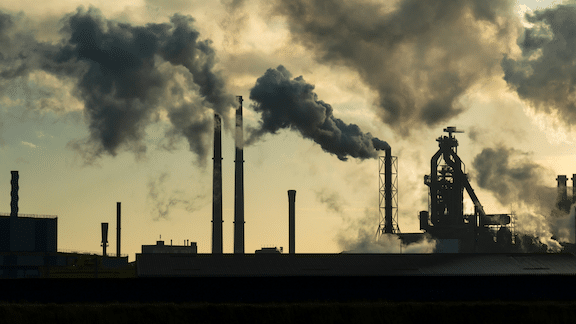
Guidelines for Decarbonizing Industry in Time to Meet Global Climate Goals
Reports
by Chris Bataille, Seton Stiebert, Dr. Francis Li + 1 more • April 09, 2026
New York’s Climate Law: Understanding the Trade-offs
On March 20, Governor Kathy Hochul proposed significant changes to New York’s Climate Leadership and Community Protection Act (CLCPA), the landmark climate law passed in 2019.

New Environmental Intelligence Assessment Points to ‘Catastrophic’ Security Risks
In January 2026, the UK government publicly released an intelligence report analyzing the security implications of global environmental destruction.
The Climate Question That Economists Cannot Answer
Models can predict catastrophic or modest damages from climate change, but not which of these futures is coming.
