This website uses cookies as well as similar tools and technologies to understand visitors’ experiences. By continuing to use this website, you consent to Columbia University’s usage of cookies and similar technologies, in accordance with the Columbia University Website Cookie Notice.
Critical minerals were once again near the top of the agenda for G7 leaders as they met in Évian, France, this week, a year after the G7 launched the Critical Minerals Action Plan.
The energy transition is in the midst of its own transition. Spiking electricity demand and geopolitical events are driving up energy prices, while debates over the best sources...
This event will take place in-person in Washington DC, at the Rayburn House Office Building, Room 2168 (Gold Room). Advance registration is required. Announcing New Columbia University Publications...
We are the premier hub and policy institution for global energy thought leadership. Energy impacts every element of our lives, and our trusted fact-based research informs the decisions that affect all of us.
Columbia Energy Tech Revolution Forum — Fusion: No Longer Thirty Years Away
Past Event
October 12, 2021
12:00 pm - 1:15 pm utc
Share
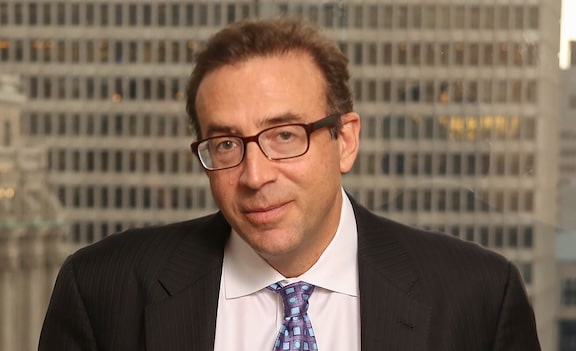
The Center on Global Energy Policy presents the Columbia Energy Technology Revolution Forum, a new webinar series hosted by Paul Dabbar, CGEP Distinguished Visiting Fellow and former Under Secretary for Science at the U.S. Department of Energy. The series focuses on frank, practical, scientific and technological discussions on the prospects of new technologies in the energy world. Each session brings together experts to focus on a different energy technology.
Energy technologies in the last twenty years have advanced significantly, and much of what is currently being deployed, including now-prevalent technologies such as solar, wind, batteries, and advanced drilling, was not commercially available in the not-so-distant past. In the last 10-15 years, public and private R&D has significantly advanced a long list of new technologies that are now competitive without government incentives.
Much of the current dialogue from energy policy makers focuses on existing technologies; this forum instead addresses what is next in new and emerging technologies. The forum helps inform the audience of the state of various technologies, their prospects to make further contributions to the energy mix, and how these technologies should be further invested in, from basic discovery through deployment.
The first session featured Sir Steven Cowley, Director of the Princeton Plasma Physics Laboratory, one of the U.S. Department of Energy’s 17 National Labs, and the lead lab in the area of fusion energy. He was joined by Dr. Robert Mumgaard, CEO of Commonwealth Fusion Systems, a spin out of MIT looking to have a net-out fusion plant before the end of the decade.
This discussion focused on the state of fusion technologies, how fast until we get to a net-out containment, and energy policies to drive from net-out containment to commercial fusion plants.
On February 28, the United States and Israel launched an attack on Iran, resulting in the deaths of Iranian Supreme Leader Ali Hosseini Khamenei and senior Iranian leaders...
The Center on Global Energy Policy at Columbia University SIPA's Women in Energy initiative and Accenture invite you to join us for an evening of conversation and networking...
Event
• Accenture – One Manhattan West
395 9th Ave, New York
*Registration is closed for this event. The Center on Global Energy Policy at Columbia University SIPA's Women in Energy initiative, in collaboration with the Columbia Policy Institute, invites...
Event
• International Affairs Building,
Columbia SIPA
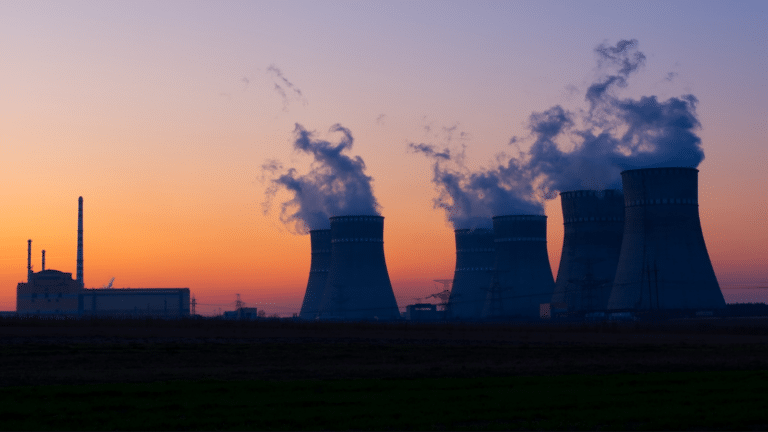
On the night of June 12, the Israeli military conducted widespread strikes on sites in Iran that targeted the country’s nuclear program and its senior military leadership.
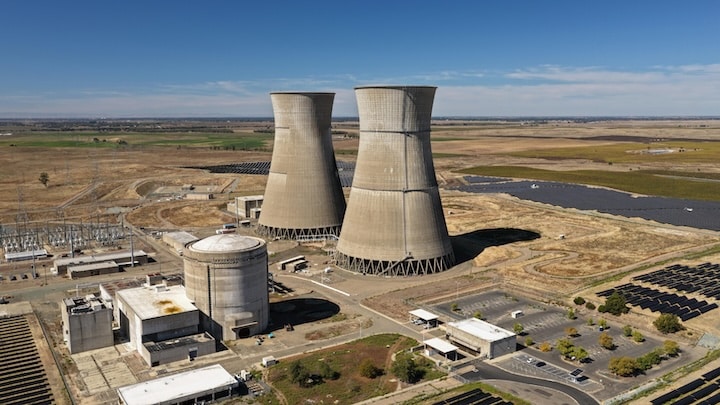
On February 24, 2026, CGEP hosted a private virtual roundtable under the Chatham House rule to discuss the importance of an independent nuclear safety regulator.