Kuwait looks to the cloud as power grid feels the strain
Kuwait has invited bids to construct three power substations that will supply electricity to Google Cloud data storage centres
Current Access Level “I” – ID Only: CUID holders, alumni, and approved guests only
Executive Director, The Lancet Countdown
Climate change is threatening human health across the globe. Extreme weather events like wildfires and heat waves are causing immediate and long-term health risks, with sometimes deadly results. According to this year’s Lancet Countdown report, which tracks the effects of climate change on human health, the impacts are getting worse.
To address this growing crisis, the recent UN Conference on Climate Change, or COP28, featured its first ever Health Day. Discussions there established the issue as a vital factor in climate negotiations. But the final agreement from the climate talks does not include the phasing out of fossil fuels, which is language many health experts were hoping to see included.
So, how do researchers track the connection between climate change and human health? What are the key indicators? And what do they warn will be the consequences of continuing to burn fossil fuels?
This week host Bill Loveless talks with Dr. Marina Romanello about the intersection of health and climate change. Marina is the executive director of the Lancet Countdown, and a climate change and health researcher at University College London. She has also carried out research in the Buenos Aires Institute of Technology, University of Cambridge, and the Francis Crick Institute. From 2020-2021, Marina helped England’s National Health System develop net-zero commitments.
From the affordability crisis and the data center boom, to the US government’s campaign to reinvigorate the Venezuelan oil market, energy is dominating headlines in unusual ways. And...
Great power competition—particularly between the United States and China—is intensifying. This rivalry is reshaping everything from technology supply chains and energy security to the future of artificial intelligence. ...
Early on January 3, 2026, the United States apprehended Venezuelan President Nicolás Maduro and his wife and removed Maduro from power. Maduro was transported to New York, where he now faces federal charges of narco-terrorism and drug trafficking.
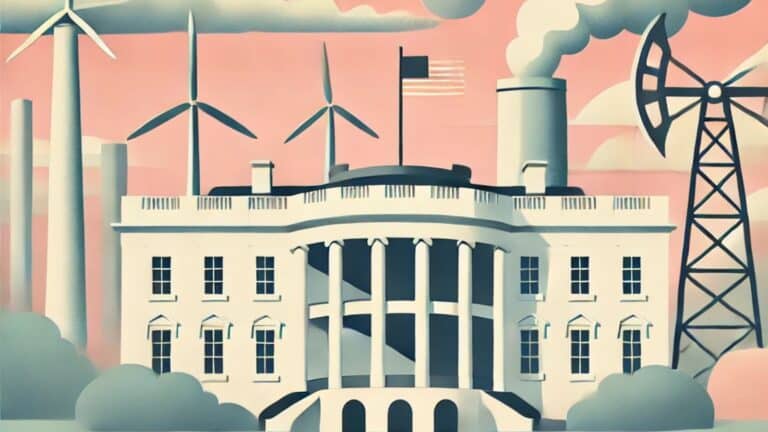
This has been a crucial year for US energy policy. The passage of the One Big Beautiful Bill Act eliminated many of the clean energy incentives that were...
Models can predict catastrophic or modest damages from climate change, but not which of these futures is coming.
On November 6, 2025, in the lead-up to the annual UN Conference of the Parties (COP30), the Center on Global Energy Policy (CGEP) at Columbia University SIPA convened a roundtable on project-based carbon credit markets (PCCMs) in São Paulo, Brazil—a country that both hosted this year’s COP and is well-positioned to shape the next phase of global carbon markets by leveraging its experience in nature-based solutions.
Connecticut needs an honest debate, and fresh thinking, to shape a climate strategy fit for today, not 2022.