LIVE: Daily Energy Markets Podcast 2026
Enjoy the videos and music you love, upload original content, and share it all with friends, family, and the world on YouTube.
Get the latest as our experts share their insights on global energy policy.
A House committee voted to allow the Advisory Committee on Reactor Safeguards (ACRS) to decline certain application reviews.
Hear in-depth conversations with the world’s top energy and climate leaders from government, business, academia, and civil society.
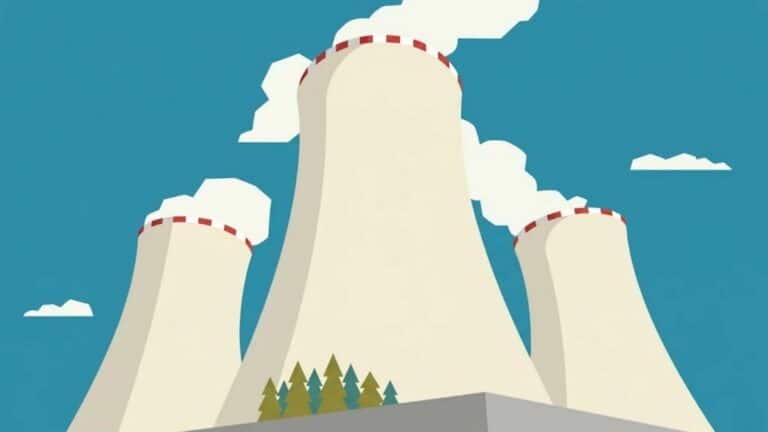
The US may finally, after years of trying, be on the cusp of a nuclear renaissance. Commercial nuclear generation began in this country in 1958. Today, the US...

Find out more about our upcoming and past events.
Putting data centers in space once seemed fanciful. Today, a growing number of companies have started doing so.

In the wake of the war in Iran, oil prices have shot up for everyone. But not all oil is exactly equal. And, obviously, a lot of Iranian oil goes to China specifically.
In the wake of the war in Iran, oil prices have shot up for everyone. But not all oil is exactly equal. And, obviously, a lot of Iranian oil goes to China specifically. Furthermore, because Iran’s oil is sanctioned, a lot of it winds up at China’s so-called “teapot” refineries, which tend to be smaller and owned by independent companies. On the other hand, China has famously been building up its strategic petroleum stockpiles for years, and due to the rise of electric vehicles, they may have less economic sensitivity to the price of crude directly. On this episode, we speak with Erica Downs, senior research scholar at the Center on Global Energy Policy at the Columbia University School of International and Public Affairs. Erica has a long background studying Chinese energy policy and she talks to us about the potential cost that the war is imposing on China’s economy, why the country has built up such a big buffer stock in the first place, and how this global oil shock could ultimately play to its advantage.
Average U.S. diesel prices remain stuck above $6 a gallon, raising fuel costs in trucking, agriculture and construction.

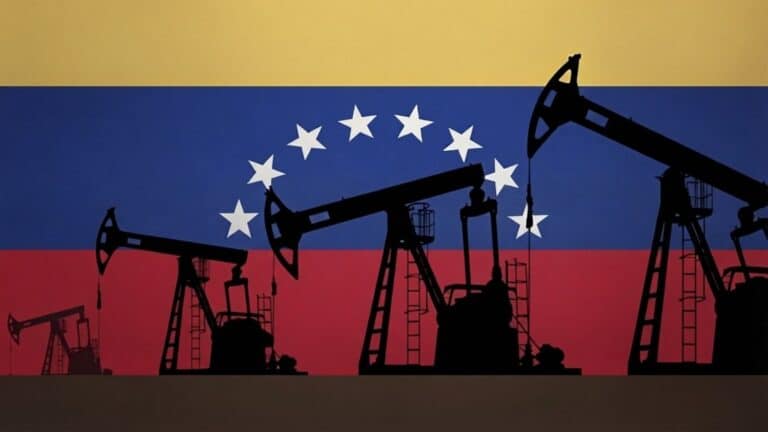
The White House announced last week an oil deal for more than 65 billion barrels of oil reserves in Venezuela and a 35% equity stake in North American Blue Energy Partners (NABEP).