Trump delayed a global carbon tax. Now he wants to finish the fight.
American officials are drafting a diplomatic cable that warns dozens of countries against adopting a climate fee on the shipping industry.
Current Access Level “I” – ID Only: CUID holders, alumni, and approved guests only
Get the latest as our experts share their insights on global energy policy.
In January 2026, the UK government publicly released an intelligence report analyzing the security implications of global environmental destruction.

Hear in-depth conversations with the world’s top energy and climate leaders from government, business, academia, and civil society.
President Trump has aggressively used tariffs as an economic tool, but a US Supreme Court decision on Friday struck down his sweeping tariffs, bringing new uncertainty. The court,...

Find out more about our upcoming and past events.
Join us for an in-person event exploring careers and opportunities in the rapidly evolving electric vehicle and sustainable transportation ecosystem.
Well-functioning energy markets are critical to the distribution of energy resources. Understanding how they work, how they can be improved, and how they are being impacted by the changes afoot in the energy sector is key to meeting energy and environmental goals.
Anne-Sophie Corbeau and leading experts explore how Europe's gas sector is being reshaped by geopolitical shocks.

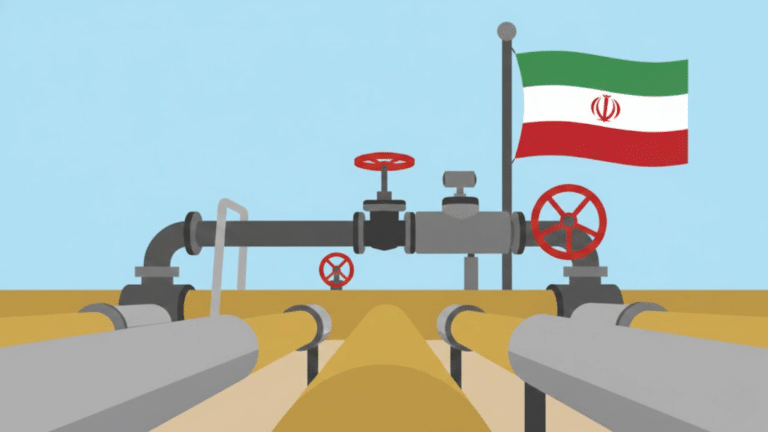
Iran has among the world's largest natural gas resource bases, but its ability to supply regional and global markets is constrained by sanctions, underinvestment, and limited export infrastructure.
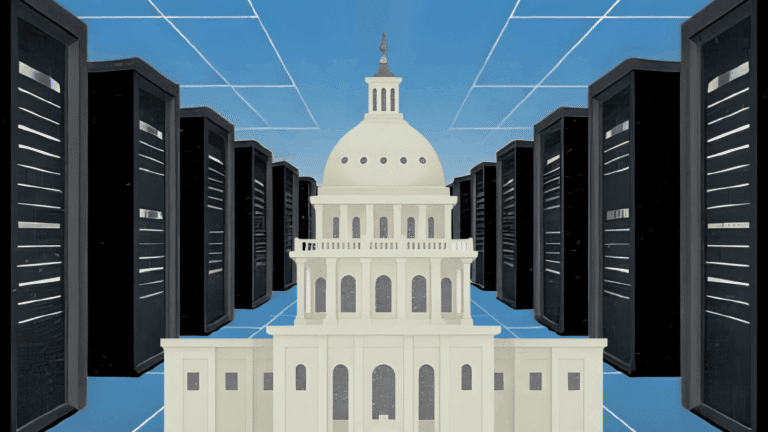
From the east to west and north to south, in red states and blue states, attention to data centers is skyrocketing in state capitals across the United States.
Libya's bid round for new oil and gas exploration and production highlights its potential revival as a major oil producer.

Economic, political, and fiscal realities have shifted energy policy priorities across the globe toward the goals of affordability and competitiveness.
CGEP scholars reflect on some of the standout issues of the day during this year's Climate Week

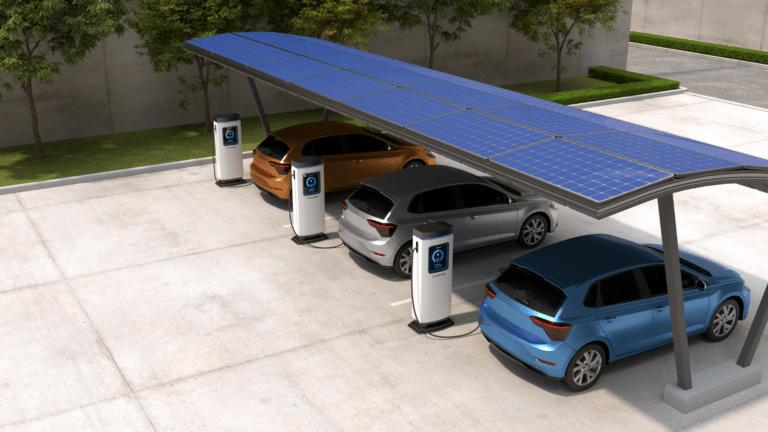
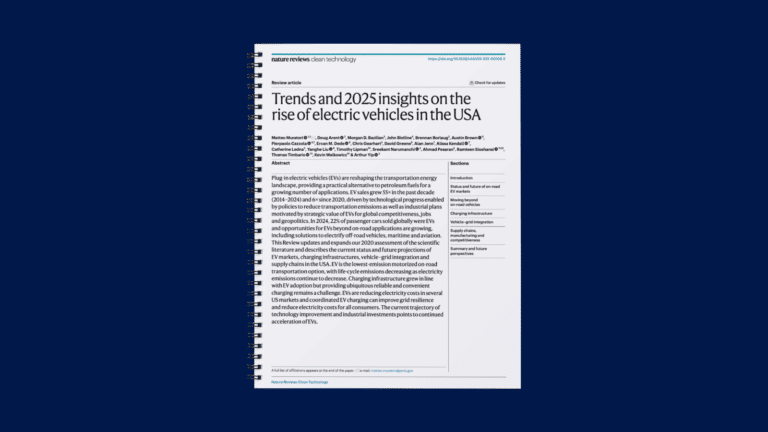
Plug-in electric vehicles (EVs) are reshaping the transportation energy landscape, providing a practical alternative to petroleum fuels for a growing number of applications. EV sales grew 55× in the past decade (2014–2024) and 6× since 2020, driven by technological progress enabled by policies to reduce transportation emissions as well as industrial plans motivated by strategic value of EVs for global competitiveness, jobs and geopolitics. In 2024, 22% of passenger cars sold globally were EVs and opportunities for EVs beyond on-road applications are growing, including solutions to electrify off-road vehicles, maritime and aviation. This Review updates and expands our 2020 assessment of the scientific literature and describes the current status and future projections of EV markets, charging infrastructures, vehicle–grid integration and supply chains in the USA. EV is the lowest-emission motorized on-road transportation option, with life-cycle emissions decreasing as electricity emissions continue to decrease. Charging infrastructure grew in line with EV adoption but providing ubiquitous reliable and convenient charging remains a challenge. EVs are reducing electricity costs in several US markets and coordinated EV charging can improve grid resilience and reduce electricity costs for all consumers. The current trajectory of technology improvement and industrial investments points to continued acceleration of EVs. Electric vehicles are increasingly adopted in the USA, with concurrent expansion of charging infrastructure and electricity demand. This Review details these trends and discusses their drivers and broader implications.
US tariffs on India for purchasing Russian oil may stem more from frustrations in US-India trade negotiations than from a concern about funding Russia’s war in Ukraine.

China’s dependence on the energy supplies that move through the Strait of Hormuz makes it especially vulnerable to any possible closure of the waterway by Iran in retaliation for attacks by Israel and the United States.

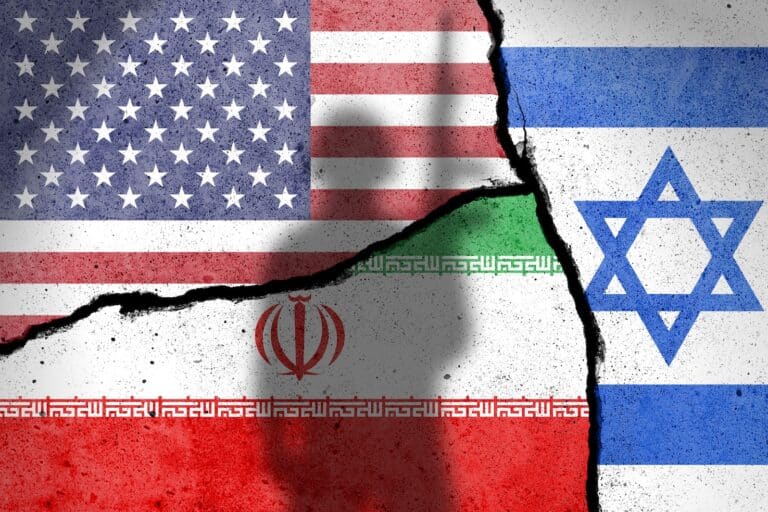
The conflict between Iran, Israel, and now the United States has yet to disrupt energy supplies to global markets.