This website uses cookies as well as similar tools and technologies to understand visitors’ experiences. By continuing to use this website, you consent to Columbia University’s usage of cookies and similar technologies, in accordance with the Columbia University Website Cookie Notice.
Energy Explained
Get the latest as our experts share their insights on global energy policy.
The US-Venezuela Oil Deal Might De-Risk Oil Company NABEP But Not Venezuela
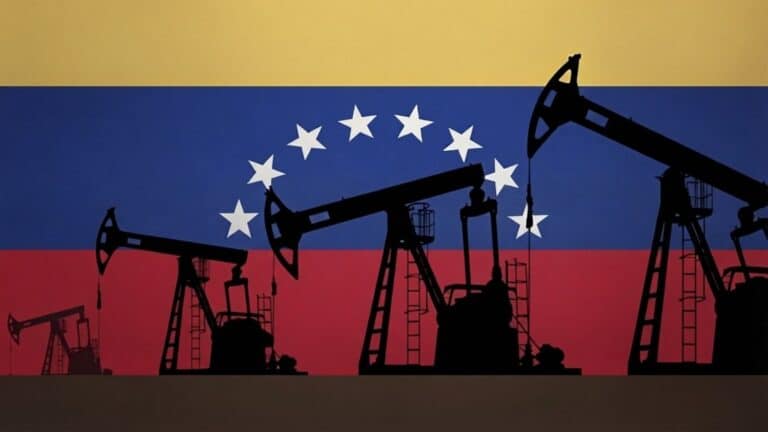
The White House announced last week an oil deal for more than 65 billion barrels of oil reserves in Venezuela and a 35% equity stake in North American Blue Energy Partners (NABEP).
Podcasts
Hear in-depth conversations with the world’s top energy and climate leaders from government, business, academia, and civil society.
Six Months In: Iran War Widens as Energy Markets Feel the Shock
More than six months into the war with Iran, the Strait of Hormuz crisis continues to cause turmoil in the Gulf region and global energy markets with no...
Columbia Energy Exchange Podcast
with Richard Nephew
, Daniel Sternoff
and Karen E. Young
• September 15, 2026

Events
Find out more about our upcoming and past events.
September 21, 2026
• 6:00 pm - 9:00 pm
edt
The Future of Climate Tech: Innovation, Careers, and Connections
Join industry leaders, innovators, employers, and emerging talent for an evening exploring the technologies, trends, and career opportunities shaping the future of climate tech.
Event
• 31 W 52nd St, New York, NY 10019

Guest
Jeff Goodell
American Author and Writer
July was the hottest month ever recorded.
Heat waves broke records around the world this summer. Phoenix, Arizona, endured 31 days of 110 degrees or hotter. Sanbao, a remote township in northwest China, hit 127 degrees – a record for the country. And parts of Europe reached over 100 degrees.
These temperatures can be deadly. They also wreak havoc on the built environment. As global temperatures creep higher from greenhouse gasses, heat waves will be hotter and more frequent.
So, what exactly is a heat wave and how is it connected to climate change? How are scientists researching these extreme weather events? And what can policy makers do to help mitigate the impact on people and cities?
This week host Bill Loveless talks with author and journalist Jeff Goodell about his new book “The Heat Will Kill You First: Life and Death on a Scorched Planet”.
Jeff has covered climate change for more than two decades. His book “The Heat Will Kill You First” examines the impact that rising temperatures will have on our planet. Jeff has also written books on rising seas, sinking cities, and the coal industry. He is a 2020 Guggenheim Fellow and a contributing editor at Rolling Stone.
More Episodes
Six Months In: Iran War Widens as Energy Markets Feel the Shock
More than six months into the war with Iran, the Strait of Hormuz crisis continues to cause turmoil in the Gulf region and global energy markets with no...
Columbia Energy Exchange Podcast
with Richard Nephew
, Daniel Sternoff
and Karen E. Young
• September 15, 2026
Luisa Palacios and Bob McNally on Why the US-Venezuela Oil Deal Matters
It's been a tumultuous year for Venezuela, marked by political upheaval and deadly earthquakes. Then, in late August, the Trump administration announced a deal for over 65 billion...

DOE’s Audrey Robertson on Growing US Critical Mineral Supply
Advanced technologies, a return to domestic manufacturing, and the race to control energy production while also confronting surging demand for electricity—all of these factors mean that for the...
Columbia Energy Exchange Podcast
• September 1, 2026
Editor’s Pick: Rajiv Shah on Delivering Universal Abundant Energy Access
Energy abundance means different things in today’s global context than it did even a decade ago. It is about expanding electricity access while meeting rising energy demand. It...
Columbia Energy Exchange Podcast
• August 25, 2026

Relevant
Publications
Nepal Floods Test Resilience of Its Hydropower-Dependent Economy
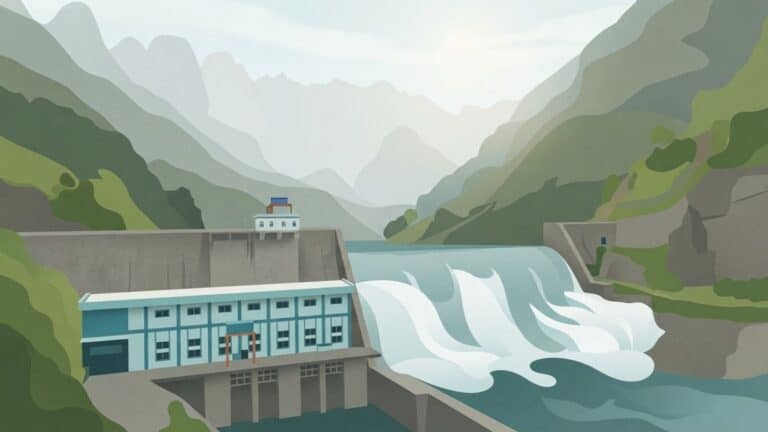
The Nepal flood that has left 1,000 people dead and close to 4,000 people missing, as of September 1, has also damaged hydropower plants that the country relies on.
Fix Modeling and Cost-Benefit Analysis
Why U.S. economic models must account for climate change and the clean energy transition to improve policymaking, forecasting, and public investment decisions.


Glass Half Full: Building a Decarbonized U.S. Power Sector
The Inflation Reduction Act of 2022 (IRA) was built, sold, and attacked as the largest climate investment in U.S. history. […]
External Publication
with Lily Bermel •
MIT Center for Energy and Environmental Policy Research
• July 06, 2026