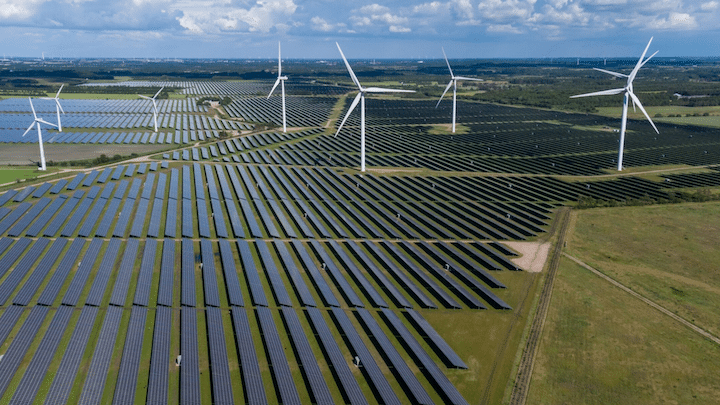
NY energy experts, advocates say Iran war shows need for Hochul to implement climate law
Gov. Hochul’s reliance on fossil fuels may end up costing more than renewables, clean energy advocates say.
Get the latest as our experts share their insights on global energy policy.
On February 28, the US and Israel launched new attacks on Iran targeting primarily the country's leadership, security forces, and missile program.
Hear in-depth conversations with the world’s top energy and climate leaders from government, business, academia, and civil society.
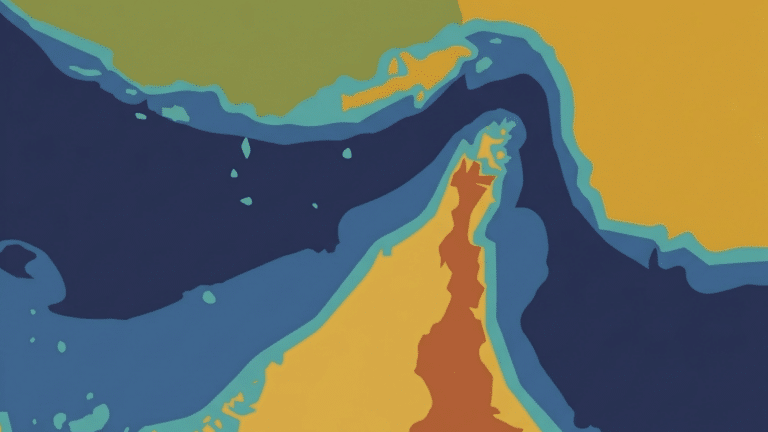
While US and Israeli forces have significantly degraded Iran’s military and nuclear capability, the global energy landscape remains in a precarious position. For weeks, the Strait of Hormuz...
Find out more about our upcoming and past events.
This roundtable is open only to currently enrolled Columbia University students. To register, you must sign in with your UNI. Join the Center on Global Energy Policy’s Women...

International Director, Royal United Services Institute
From the recent OPEC agreement to energy security issues in Europe, few countries are more important to the global energy picture than Russia. On this episode of the Columbia Energy Exchange, host Jason Bordoff speaks with Dr. Jonathan Eyal, International Director of the Royal United Services Institute, a leading think tank on military and defense issues in the United Kingdom. They discuss: How Russia’s position in the global energy order might shift as a result of growing U.S. and Australian LNG exports; What affect continued, if not harsher, U.S. sanctions will have on the Russia; How Brussels and Eastern Europe should handle energy ties with Russia; The development of Nordstream II; Russia’s Middle East policy and implications for its relationship with OPEC.
While US and Israeli forces have significantly degraded Iran’s military and nuclear capability, the global energy landscape remains in a precarious position. For weeks, the Strait of Hormuz...
During President Trump’s second term, the administration has taken unprecedented action in the US private sector. The federal government’s investments in critical mineral mining and chip manufacturing are...

Today marks the last day of CERAWeek, the annual energy industry conference sometimes described as the Davos of energy. As oil and gas CEOs and government officials gathered...

The Iran conflict has rapidly expanded, drawing in actors across the Middle East and raising concerns about broader regional escalation.
On February 28, the US and Israel launched new attacks on Iran targeting primarily the country's leadership, security forces, and missile program.
The war in Iran has significantly enhanced Latin America's geopolitical advantage as a reliable source of hydrocarbon resources.
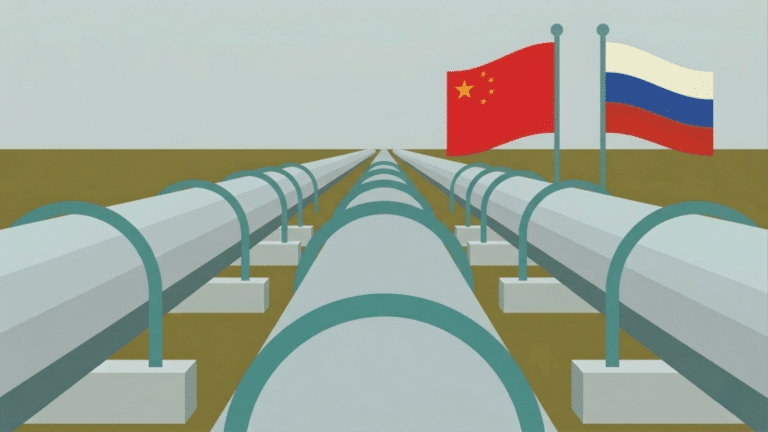
The Iran conflict could increase the appeal of Russia as an energy supplier for China.
The war in Iran is not just another energy shock. It is arriving at a moment when Europe is already under cumulative strain: a war on its eastern border, the lingering aftershocks of the 2022 energy crisis, industrial decline, political fragmentation, fiscal limits, and a widening debate over how much of its own security it must now provide.