How This Historic Oil Disruption Could Reshape the Global Energy Markets
Iran, Strait of Hormuz, oil prices, solar energy, wind power, energy transition, China, renewables, global markets, energy security
Current Access Level “I” – ID Only: CUID holders, alumni, and approved guests only
This website uses cookies as well as similar tools and technologies to understand visitors’ experiences. By continuing to use this website, you consent to Columbia University’s usage of cookies and similar technologies, in accordance with the Columbia University Website Cookie Notice.
Our work is committed to independent and nonpartisan research that meets the high standards of academic integrity and quality at Columbia University.
Our initiatives and programs are designed to address critical needs in key focus areas around energy and climate policy.
Explore our expert insights and analysis in leading energy and climate news stories.
Iran, Strait of Hormuz, oil prices, solar energy, wind power, energy transition, China, renewables, global markets, energy security
Get the latest as our experts share their insights on global energy policy.
Media reports suggest the Trump Administration is considering restrictions on US oil exports. Officials have said such measures are not under discussion, according to media reports, but the...
Hear in-depth conversations with the world’s top energy and climate leaders from government, business, academia, and civil society.
The climate policy landscape in the US is in flux. Last month, the Environmental Protection Agency repealed its own power to regulate greenhouse gases. Two weeks later, the...
Find out more about our upcoming and past events.
This roundtable is open only to currently enrolled Columbia University students. To register, you must sign in with your UNI. The Center on Global Energy Policy (CGEP) at...
We are the premier hub and policy institution for global energy thought leadership. Energy impacts every element of our lives, and our trusted fact-based research informs the decisions that affect all of us.
Former Special Assistant to President Obama for Energy and Environment
Ron Minsk is former Special Assistant to President Obama for Energy and Environment at the White House’s National Economic Council. He joined the Center after serving until April, 2015 as Special Assistant to President Obama for Energy and Environment at the White House’s National Economic Council. Ron served in a similar position from 1998 to 2001 in the Clinton White House, where he served as a Director to the National Economic Council and Special Assistant to the President for Economic Policy.
Prior to returning to the White House, Ron Minsk served as Senior Vice President at Securing America’s Future Energy (SAFE), a non-partisan, not-for-profit organization committed to reducing America’s dependence on oil and improving U.S. energy security in order to bolster our national security and strengthen the economy. In that position, Ron was responsible for the development of energy policies dedicated to enhancing the United States’ energy security. Among other papers, he was a contributing author of A National Strategy for Energy Security, a 120 page blueprint for reducing the United States’ dependence on oil and the Electrification Roadmap, and other policy papers.
After the end of the Clinton Administration, Ron was counsel in the Energy Practice Group at the Washington office of Alston & Bird where he represented investor-owned electric utilities, large regional independent system operators, and independent transmission companies before the Federal Energy Regulatory Commission (FERC). Ron previously worked as a policy analyst at the White House Office of Management and Budget. He is a graduate of New York University (B.S. 1987), Harvard University (M.P.P. 1989) and the University of Pennsylvania (J.D. 1996).
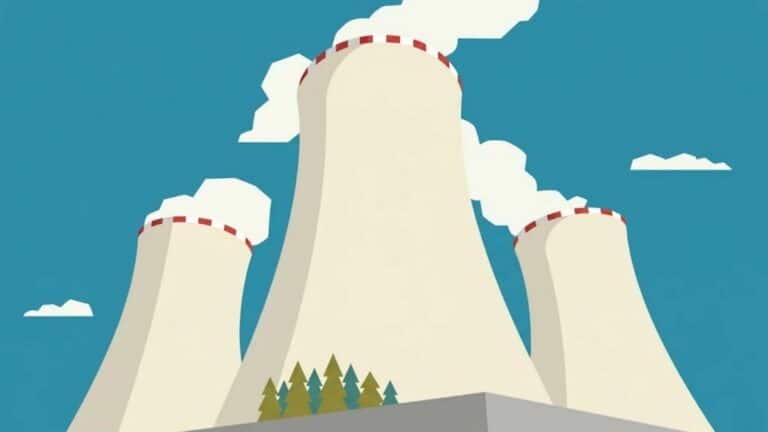
Growth in US oil production has created substantial economic and energy security benefits for the nation.
Putting a price on carbon is a critical part of a low-cost strategy for reducing greenhouse gas (GHG) emissions, and a national carbon tax is a rare example of a climate change policy that has found bipartisan support in the United States.
Get the latest news and research on energy & climate policy.
"(required)" indicates required fields