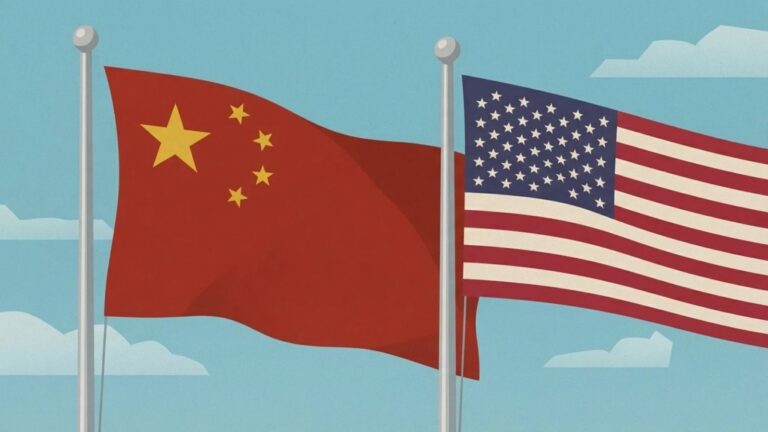
Defining and balancing energy sovereignty with national needs in an era of change
Discover how nations balance energy sovereignty with domestic economic needs, international trade, and technology partnerships on Energy Connects.
Get the latest as our experts share their insights on global energy policy.
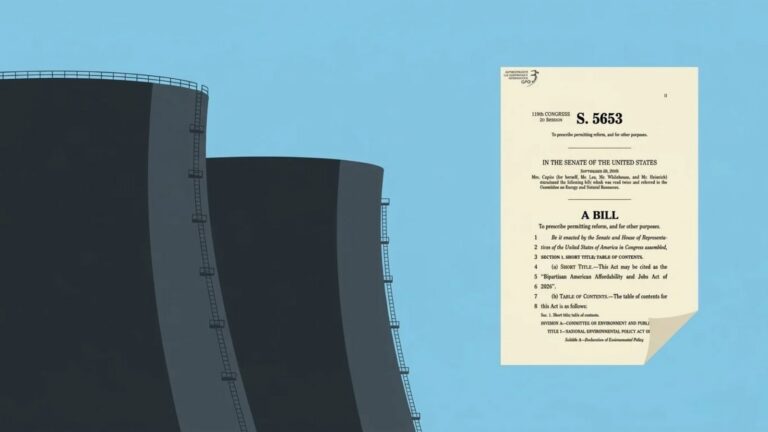
The BAAJA bill could facilitate nuclear development by streamlining federal environmental reviews and providing greater certainty for permitted projects.
Hear in-depth conversations with the world’s top energy and climate leaders from government, business, academia, and civil society.
Every permitting bill promises the same thing: build faster. The harder question is what the trade-offs are, and who bears them. That question is at the heart of...

Find out more about our upcoming and past events.
Energy storage is quickly becoming core infrastructure for the clean energy transition.

In an op-ed for Roll Call, Center Program Director Richard Nephew and Elizabeth Rosenberg of the Center for a New American Security argue that it is far preferable to conclude a deal with Iran that addresses enrichment concerns via direct diplomacy and that a move to sanctions measures could compromise any chance to resolve the nuclear issue peacefully. However, they note that since sanctions may be necessary if a deal is not reached, it is prudent for Congress and the Administration to initiate contingency planning on an effective strategy and legal authorities to respond in the event that Iran cannot conclude a deal or cheats after it is agreed.
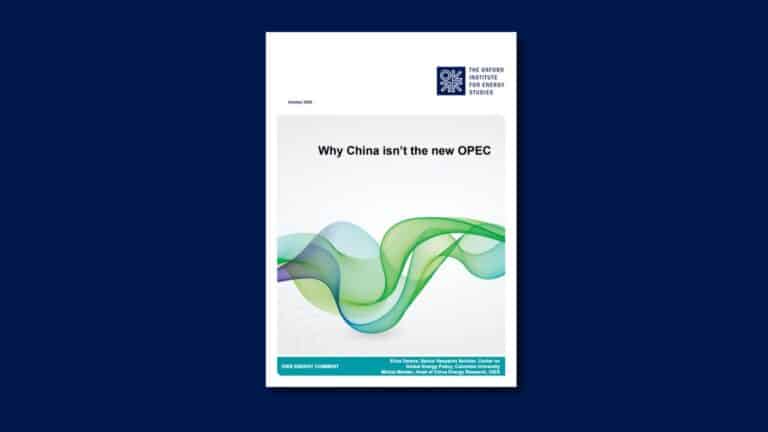
When the Strait of Hormuz closed, China's crude imports fell steeply, cushioning the price impact on global markets.
Reporting in the New York Times suggests a key element in the Trump administration's Russia-Ukraine peace plan involves Europe resuming Russian gas imports.
Last week's summit between US President Trump and Chinese President Xi was the second meeting between the two leaders since the US and Israel attacked Iran.