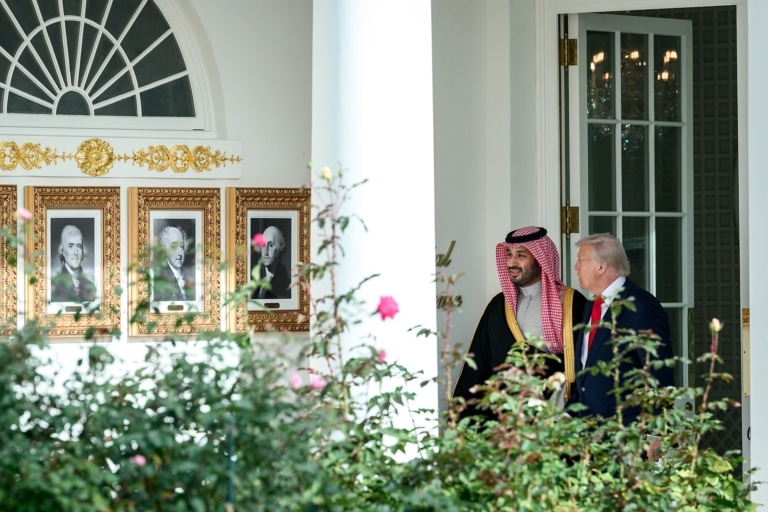
Trump says ongoing talks are Iran’s ‘last chance’
Karen Young, senior research scholar at the Centre on Global Energy Policy at Columbia University, joins BNN Bloomberg to discuss the energy sector.
Get the latest as our experts share their insights on global energy policy.
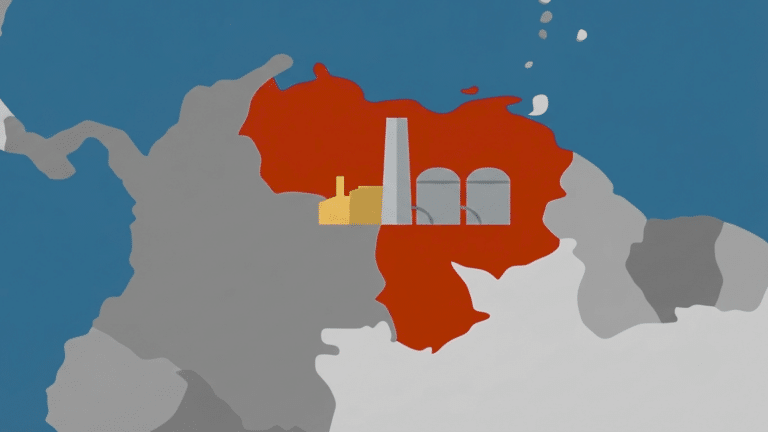
The economic and humanitarian consequences of the June 24 twin earthquakes in Venezuela continue to emerge.
Hear in-depth conversations with the world’s top energy and climate leaders from government, business, academia, and civil society.
Over the past five months, the Strait of Hormuz has been closed for extended stretches of time, disrupting roughly 10 to 15 million barrels of oil supply each...

Find out more about our upcoming and past events.
Join industry leaders, innovators, employers, and emerging talent for an evening exploring the technologies, trends, and career opportunities shaping the future of climate tech.

Former President, Natural Resources Defense Council
Host Jason Bordoff sits down with Frances Beinecke, the former President of the Natural Resources Defense Council, to discuss the outlook for U.S. energy and environment policy following the election of Donald Trump. Frances, a recipient of The National Audubon Society’s prestigious Rachel Carson Award, is a member of the U.S. Secretary of Energy’s advisory board and she serves on the boards of the MIT Energy Initiative, the National Academies of Science and the World Resources Institute. They discuss: Why climate change was not a central issue in the 2016 U.S. election; Strategies environmental NGOs will employ under Trump; The role of natural gas as the world strives for a zero carbon economy; How states and local governments can address environment and climate issues.
Over the past five months, the Strait of Hormuz has been closed for extended stretches of time, disrupting roughly 10 to 15 million barrels of oil supply each...
As the demand for power surges across the US, the debate over how to build energy infrastructure has reached a fever pitch. And while both sides of the...
Critical minerals sit at the intersection of energy technology, industrial competitiveness, and economic resilience. The issue has hit a fever pitch in the United States, driving the Trump...

Nearly a month after a ceasefire, the US-Iran deal seems to have all but collapsed as both nations have slipped back into active conflict. On Sunday, Tehran announced...

Why U.S. economic models must account for climate change and the clean energy transition to improve policymaking, forecasting, and public investment decisions.

On June 22, the United States announced that it had signed a nuclear cooperation agreement with Saudi Arabia. This type of agreement broadly authorizes