Energy Markets Series: Half-Time Talk Weekly Feature Interview
Dr. Tatiana Mitrova, Research Fellow, Center on Global Energy Policy, Columbia UniversityTells Half-Time Talk GI Exclusive Interview: âEnergy Markets Pass th...
Get the latest as our experts share their insights on global energy policy.
Four bills in Congress each close a different route for Chinese access to American computing power.

Hear in-depth conversations with the world’s top energy and climate leaders from government, business, academia, and civil society.
Earlier this month, US voters handed Democrats control of both chambers of Congress and flipped several governorships across the country. The dramatic shift in power raises big questions...

Explore independent and nonpartisan research that meets the high standards of academic integrity at Columbia University.
The Democratic wave that shook the U.S. political landscape this month delivered a striking rebuke to President Donald Trump and put affordability squarely at the top of the political agenda.
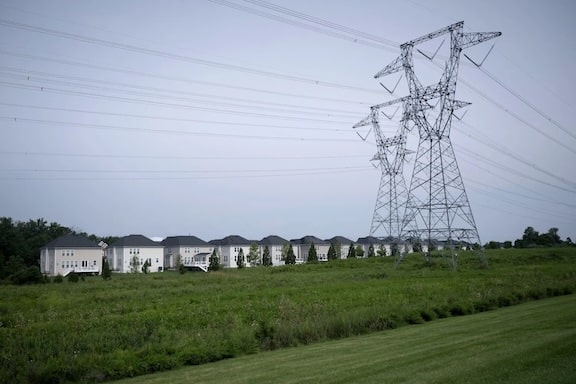
The Iran war is testing the resilience of GCC states. As chokepoints become weapons and US deterrence weakens, how are Gulf countries adapting their defence, energy and connectivity policies to protect economic continuity and advance diversification?
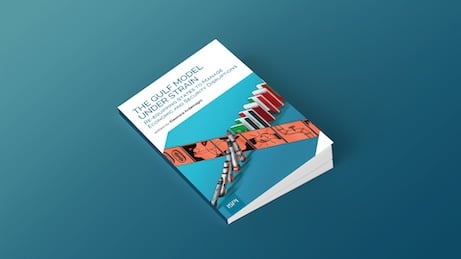
The Democratic wave that shook the U.S. political landscape this month delivered a striking rebuke to President Donald Trump and put affordability squarely at the top of the political agenda.
Four bills in Congress each close a different route for Chinese access to American computing power.
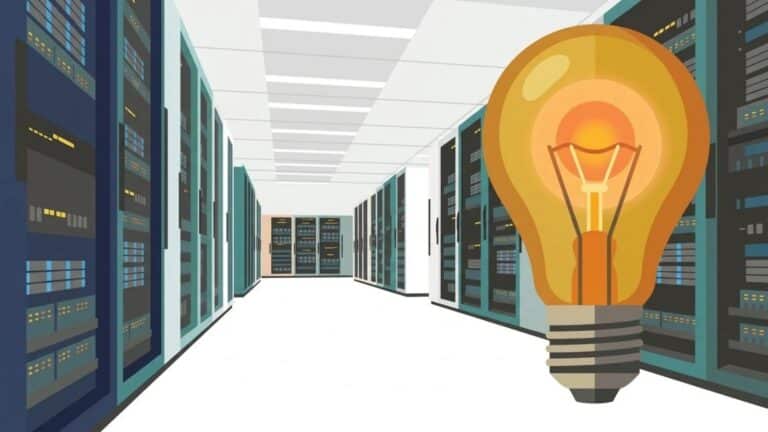
Midterm voters gave Democrats control of both chambers of Congress and flipped governorships in states central to data center development.
The Iran war is testing the resilience of GCC states. As chokepoints become weapons and US deterrence weakens, how are Gulf countries adapting their defence, energy and connectivity policies to protect economic continuity and advance diversification?
The shift in the balance of political power will help determine which US policies can be funded and sustained over the next two years.
The United States and its allies are finally taking supply chains for critical minerals seriously.

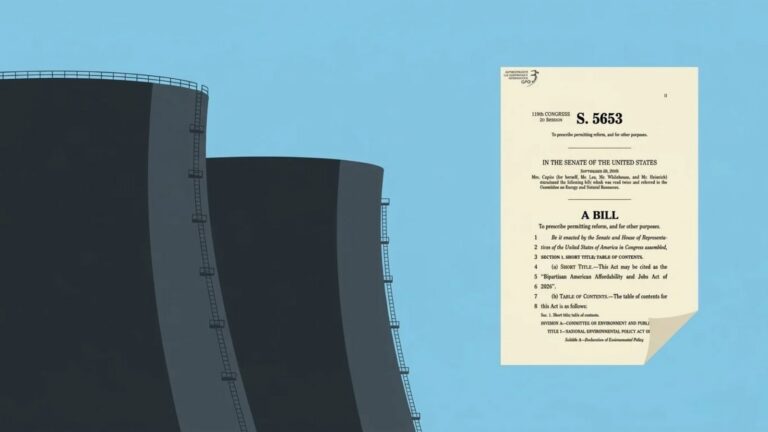
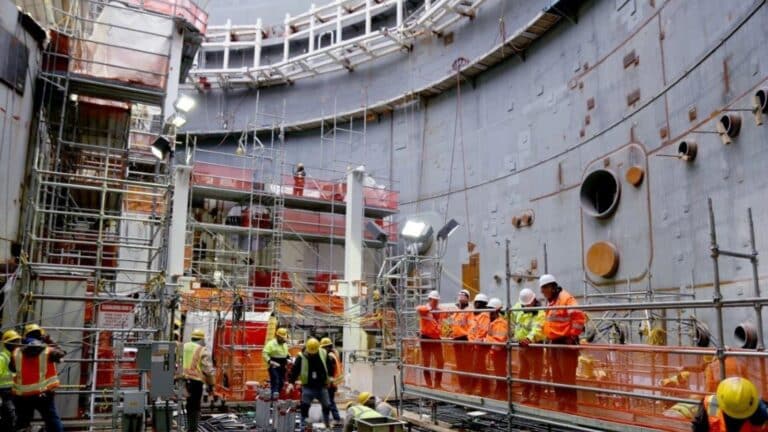
The BAAJA bill could facilitate nuclear development by streamlining federal environmental reviews and providing greater certainty for permitted projects.