Compétitivité européenne : deux ans après les propositions énergétiques du rapport Draghi divisent les experts
L'essentiel de l'actualité du gaz naturel, des gaz renouvelables et de l'hydrogène
Get the latest as our experts share their insights on global energy policy.
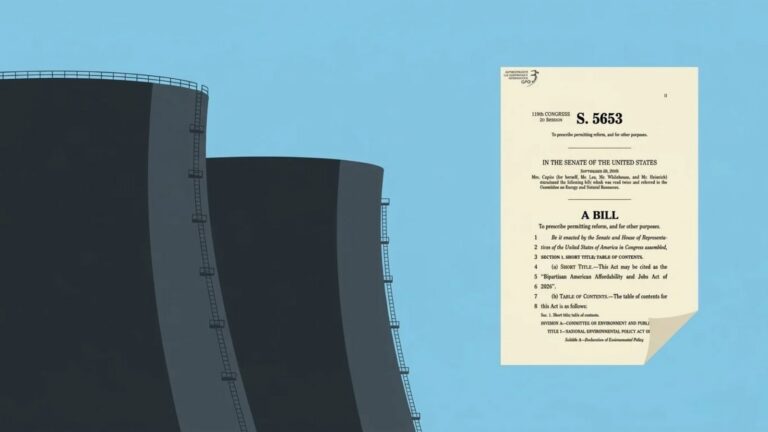
The BAAJA bill could facilitate nuclear development by streamlining federal environmental reviews and providing greater certainty for permitted projects.
Hear in-depth conversations with the world’s top energy and climate leaders from government, business, academia, and civil society.
Energy costs are a big consideration for voters in much of the US today as they head to the polls. But the decisions that shape those costs will...

Find out more about our upcoming and past events.
Energy storage is quickly becoming core infrastructure for the clean energy transition.

Electric power companies across the U.S. are going through a period of unprecedented change. Low-cost natural gas, new technology, rapid expansion of renewables, and initiatives to reduce carbon emissions are some of the major factors shaking up the electricity sector. Moreover, for some power companies, keeping their nuclear power plants alive is another big challenge.
On this episode of Columbia Energy Exchange, we welcome Chris Crane, the president and CEO of Exelon Corp., a Fortune 100 energy company with the most utility customers in the U.S., and the nation’s leading operator of nuclear reactors.
Crane talks with host Bill Loveless about the ways in which he is piloting his company through this transformation. And on a timely note, they discuss a new clean energy standard in New York that would keep Exelon’s nuclear plants in the Empire State running, and perhaps set a standard for other states to follow. Other topics include:
Energy costs are a big consideration for voters in much of the US today as they head to the polls. But the decisions that shape those costs will...
Every permitting bill promises the same thing: build faster. The harder question is what the trade-offs are, and who bears them. That question is at the heart of...

After years of trying, the US may be on the cusp of a nuclear renaissance. Commercial nuclear generation began in this country in 1958. Today, the US has...

Permitting reform—to allow for faster approvals on new projects—is one thing that both climate advocates and energy developers have wanted for a long time. With demand for power...

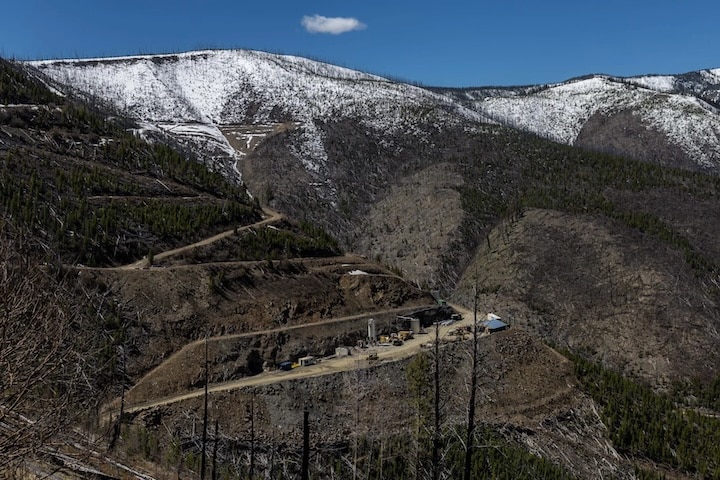
The United States and its allies are finally taking supply chains for critical minerals seriously.

The BAAJA bill could facilitate nuclear development by streamlining federal environmental reviews and providing greater certainty for permitted projects.