Chinese EVs to benefit Canada’s green efforts
With Chinese electric vehicles set to enter the Canadian market, the move could bring significant benefits for consumers, the climate and public health, experts say.
Current Access Level “I” – ID Only: CUID holders, alumni, and approved guests only
Get the latest as our experts share their insights on global energy policy.
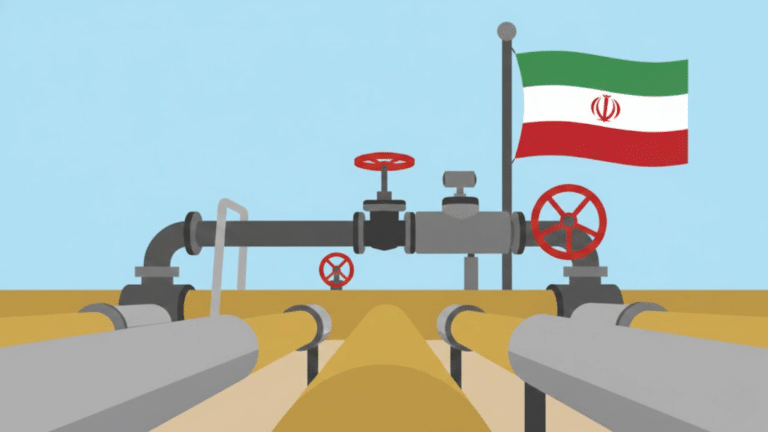
Iran has among the world's largest natural gas resource bases, but its ability to supply regional and global markets is constrained by sanctions, underinvestment, and limited export infrastructure.
Hear in-depth conversations with the world’s top energy and climate leaders from government, business, academia, and civil society.
The Trump administration has prioritized nuclear energy expansion, aiming to increase US nuclear capacity fourfold by 2050. This nuclear energy resurgence in the US is a rare issue...

Find out more about our upcoming and past events.
This workshop will be conducted in two parts: Part one on February 16 from 1:00 PM to 2:00 PM EST, and Part two on February 18 from 1:00 PM to...

The year 2018 promises to be an important one for electric power markets in the United States, including for energy policies that govern the way electricity is generated, delivered and used. Among the important developments will be the Federal Energy Regulatory Commission’s response to a controversial cost-recovery proposal by the Trump administration for coal and nuclear plants and the Environmental Protection Agency’s efforts to replace the Obama administration’s Clean Power Plan.
All this comes as electric power markets in the United States continue to undergo disruption, with natural gas and renewable energy gaining ground on coal and nuclear power, and innovations such as microgrids, energy storage and analytics promising even bigger changes in the electricity business.
On a this episode of Columbia Energy Exchange, host Bill Loveless discusses the changes sweeping the industry, as well as the significance of public policy, with Mauricio Gutierrez, President and CEO of NRG Energy, one of the largest competitive power generators in the U.S. and a major energy retailer, serving nearly three-million customers throughout the country.
Mauricio joined NRG in 2004. He has served as Chief Operating Officer, led NRG’s engineering and construction activities related to new generation and repowering projects, and he has overseen commodities trading as Executive Vice President, Commercial Operations and Senior Vice President, Commodities Trading. Prior to NRG, he was Managing Director of the Southeast and Texas regions for Dynegy and a senior consultant and project manager at Mexico City-based DTP Consultores.
Among many topics Bill and Mauricio discuss, several include: The future of competitive power markets in the U.S.; Reliability and resilience of the grid; Impacts of President Trump’s efforts to save coal and nuclear power; Efforts by the power sector to reduce carbon emissions.
The Trump administration has prioritized nuclear energy expansion, aiming to increase US nuclear capacity fourfold by 2050. This nuclear energy resurgence in the US is a rare issue...
As political support for clean energy has waxed and waned over the past twenty years, so has the government’s financial backing. In the 2010s, critics pointed to the...

With electricity prices on the rise, the future of our power grid is attracting a lot more attention. Surging demand is at the center of the story, but...

From the affordability crisis and the data center boom, to the US government’s campaign to reinvigorate the Venezuelan oil market, energy is dominating headlines in unusual ways. And...

Elemento decisivo será coordenação estratégica

Iran has among the world's largest natural gas resource bases, but its ability to supply regional and global markets is constrained by sanctions, underinvestment, and limited export infrastructure.
The decline of domestic fossil fuel production in the United States poses serious economic risks for communities that rely on fossil fuel industries for jobs and public revenues. Many of these communities lack the resources and capacity to manage those risks on their own. The absence of viable economic strategies for affected regions is a barrier to building the broad, durable coalitions needed for an equitable national transition to cleaner energy sources.
The United States is at a rare inflection point for nuclear energy, with unprecedented momentum behind deployment and regulatory reform as nuclear becomes central to energy security, AI competitiveness, and state and corporate climate goals.