Europe’s economy faces a one-two punch from extreme weather and war
Soaring temperatures are forcing drastic measures in Europe, where heatwaves are straining an economy under pressure from higher energy prices due to the Iran war.
Get the latest as our experts share their insights on global energy policy.
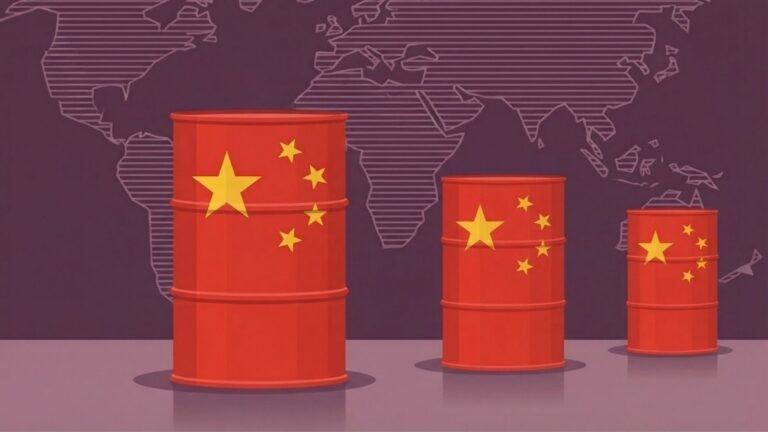
The ongoing disruption of oil exports through the Strait of Hormuz has caused a substantial decline in China's crude oil imports.
Hear in-depth conversations with the world’s top energy and climate leaders from government, business, academia, and civil society.
It started last year as a pressure campaign at sea, with the United States seizing tankers as part of what President Trump called a “total and complete blockade”...

Find out more about our upcoming and past events.
Join industry leaders, innovators, employers, and emerging talent for an evening exploring the technologies, trends, and career opportunities shaping the future of climate tech.

Oil refiners are currently seeing a big boom in business – but how long will it last?
The process of turning crude into usable products has been plagued for years by low profitability and overcapacity, and the pandemic took a toll on many refineries which in some cases shut their doors permanently.
And now climate action, the potential for an economic slump and global fuel shortages are raising new questions about whether refiners should continue to invest or cash out.
For answers to these big questions surrounding oil refining, host Bill Loveless spoke with Robin Mills, chief executive at Qamar Energy in Dubai. The company provides regionally-based insight and consulting across the oil and gas, renewable, hydrogen and carbon management sectors in the Middle East.
Prior to this, Robin led major consulting assignments for the European Union in Iraq and for a variety of international oil companies. Robin previously worked for Shell, developing new business in the United Arab Emirates and other Middle Eastern countries and for Dubai Holding and the Emirates National Oil Company.
He is the author of two books: “The Myth of the Oil Crisis” and “Capturing Carbon.”
The pair discuss the current landscape for oil refining, the impact of the pandemic, and the role policymakers and government leaders can play in alleviating market disruptions.
It started last year as a pressure campaign at sea, with the United States seizing tankers as part of what President Trump called a “total and complete blockade”...
Over the past five months, the Strait of Hormuz has been closed for extended stretches of time, disrupting roughly 10 to 15 million barrels of oil supply each...

As the demand for power surges across the US, the debate over how to build energy infrastructure has reached a fever pitch. And while both sides of the...
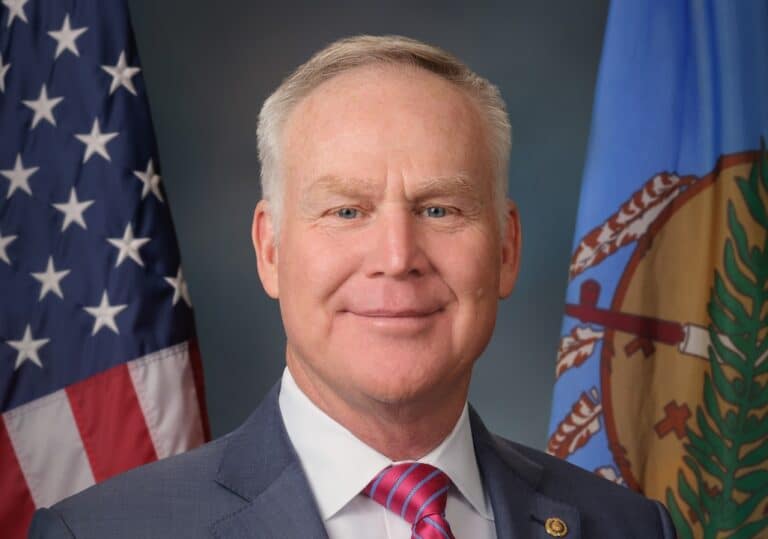
Critical minerals sit at the intersection of energy technology, industrial competitiveness, and economic resilience. The issue has hit a fever pitch in the United States, driving the Trump...

The ongoing disruption of oil exports through the Strait of Hormuz has caused a substantial decline in China's crude oil imports.
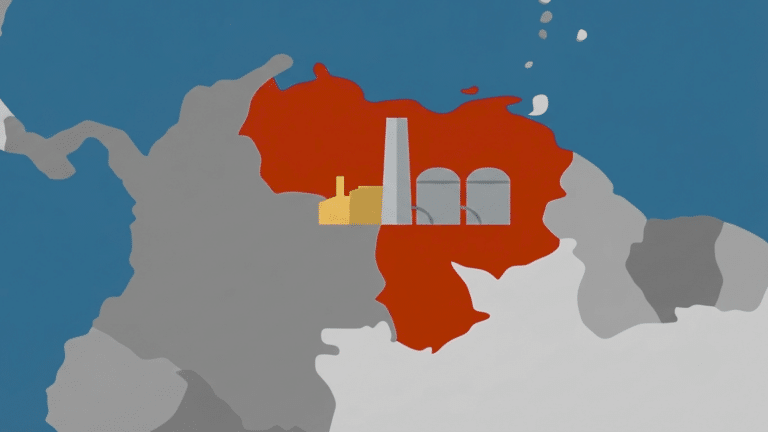
The economic and humanitarian consequences of the June 24 twin earthquakes in Venezuela continue to emerge.