View / Hormuz limbo is now global oil’s top risk
Lost supply and a projected demand rebound have placed the oil market in a fragile equilibrium.
The Center on Global Energy Policy hosted a discussion of the International Energy Agency’s World Energy Outlook 2014 (WEO-2014) with Dr. Fatih Birol, Chief Economist and Director of Global Energy Economics, International Energy Agency (IEA). The global energy landscape is evolving at a rapid pace, reshaping long-held expectations for our energy future. The WEO-2014 presents analyses and projections of medium- and longer-term energy trends and the potential impact of these developments on energy security, the economy, and the environment. Dr. Birol discussed the main findings from the WEO-2014, as well as the special topics covered in-depth in this year’s edition, including: Trends in energy sector investment, including an examination of the scale of investment required and financing options; Energy outlook for Africa, with a focus on the prospects for improving access to modern energy services and developing the region’s resource potential; and The outlook for nuclear power, including policy trends, financing options, and competitiveness versus other generation sources. Center Director Jason Bordoff moderated a discussion following the presentation.

Abundance and affordability have become buzzwords among policymakers, who often have sharply different interpretations of how to attain them. To some, an energy abundance agenda means fewer regulatory...
It started last year as a pressure campaign at sea, with the United States seizing tankers as part of what President Trump called a “total and complete blockade”...
Over the past five months, the Strait of Hormuz has been closed for extended stretches of time, disrupting roughly 10 to 15 million barrels of oil supply each...
As the demand for power surges across the US, the debate over how to build energy infrastructure has reached a fever pitch. And while both sides of the...
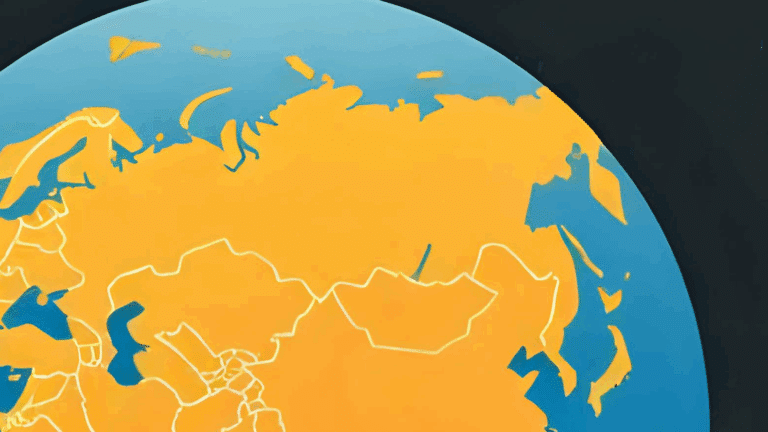
The centre of gravity of the global energy system has definitively shifted eastward, driven by rapid industrialisation, expanding urban populations, and rising
Data centers face growing local opposition as states impose moratoriums on hyperscale projects and grid connections. Communities can negotiate deals for tax revenue and jobs.
By almost any measure, the world should be suffering a far more severe energy crisis.
The ongoing disruption of oil exports through the Strait of Hormuz has caused a substantial decline in China's crude oil imports.