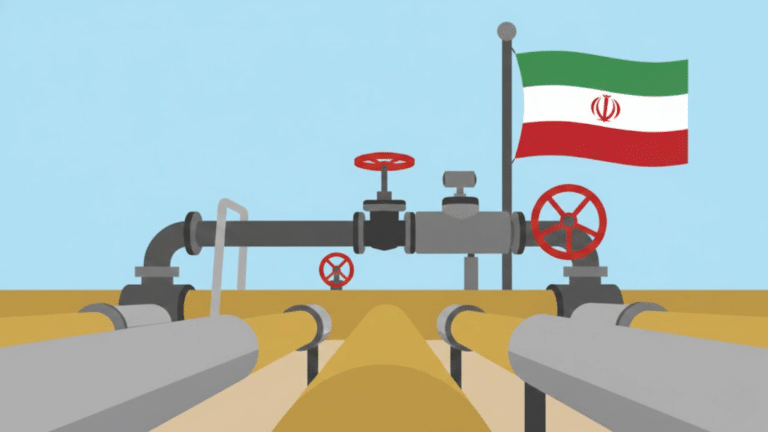
Après la Russie, comment le piège du gaz naturel américain s’est refermé sur l’Europe
DÉCRYPTAGE - Les Vingt-Sept cherchent désormais des solutions pour sortir de cette nouvelle dépendance à l’égard d’un État qui ne leur veut pas toujours du bien.
Current Access Level “I” – ID Only: CUID holders, alumni, and approved guests only
Get the latest as our experts share their insights on global energy policy.
Securing critical minerals is a top priority of governments around the world.
Hear in-depth conversations with the world’s top energy and climate leaders from government, business, academia, and civil society.
Under the second Trump administration, the US Department of Energy significantly shifted its priorities to align with its “energy dominance" agenda. But one significant point of continuity with...

Find out more about our upcoming and past events.
This workshop will be conducted in two parts: Part one on February 16 from 1:00 PM to 2:00 PM EST, and Part two on February 18 from 1:00 PM to...

China is the world’s largest energy producer, energy consumer and greenhouse gas emitter. Many analysts believe that this year, China will surpass the US to become the world’s largest oil importer. China has the world’s largest shale gas resource and leads the world in the deployment of solar panels.
On this episode of Columbia Energy Exchange, host David Sandalow sits down with Fu Chengdu, who recently retired as Chair of Sinopec, a Chinese state-owned oil and gas company and the second largest company in the world according to Fortune Magazine. Among the topics they discussed:
This conversation was originally recorded on July 1, 2016.
Under the second Trump administration, the US Department of Energy significantly shifted its priorities to align with its “energy dominance" agenda. But one significant point of continuity with...
The Trump administration has prioritized nuclear energy expansion, aiming to increase US nuclear capacity fourfold by 2050. This nuclear energy resurgence in the US is a rare issue...

As political support for clean energy has waxed and waned over the past twenty years, so has the government’s financial backing. In the 2010s, critics pointed to the...
With electricity prices on the rise, the future of our power grid is attracting a lot more attention. Surging demand is at the center of the story, but...
Securing critical minerals is a top priority of governments around the world.
Having enough electricity is key to the nation’s post-Maduro recovery. Two experts offer a way forward.
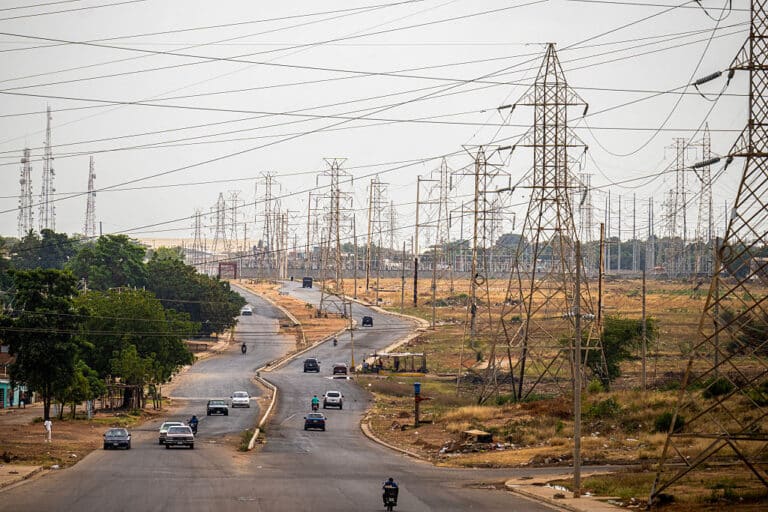
Elemento decisivo será coordenação estratégica
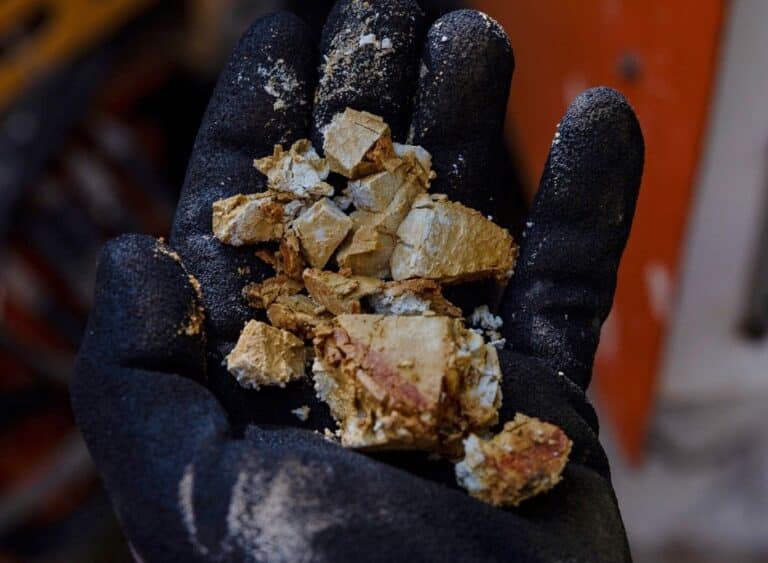
Iran has among the world's largest natural gas resource bases, but its ability to supply regional and global markets is constrained by sanctions, underinvestment, and limited export infrastructure.