Kuwait looks to the cloud as power grid feels the strain
Kuwait has invited bids to construct three power substations that will supply electricity to Google Cloud data storage centres
Current Access Level “I” – ID Only: CUID holders, alumni, and approved guests only
Senior Research Scholar, CGEP
Most of the pressure on oil companies to make more environmentally-conscious investments is targeted at companies like Shell and Exxon. But these companies produce only 15 percent of the world’s oil and gas supply.
The majority of oil production comes from nationally-owned oil companies, and the question of how they will respond to the clean energy transition is especially vital in Latin America where state-owned companies like PDVSA, PetroBras and Pemex dominate the region’s energy sector.
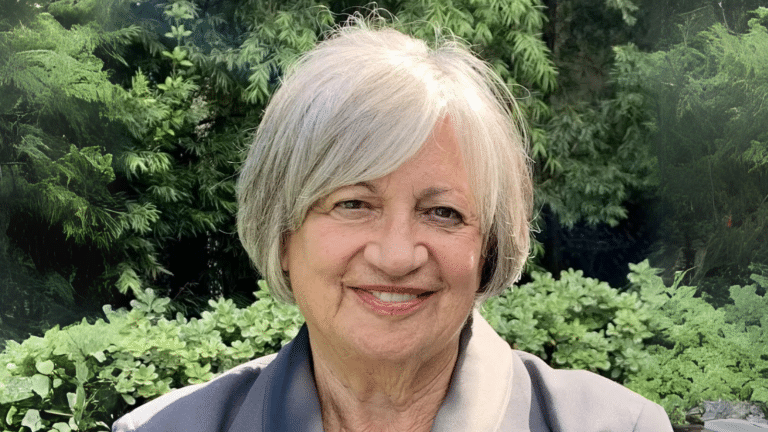
In this episode, host Jason Bordoff speaks with a leading expert on oil markets and the Environmental Social and Governance (ESG) agenda in Latin America — Dr. Luisa Palacios. She has special insight into this topic as a former board chair of the oil refiner Citgo, an energy firm owned by the Venezuala-based nationalized oil company, PDVSA.
Dr. Palacios is currently a Senior Research Scholar at CGEP and received a Masters degree at Columbia University. Previously, she was Medley Global Advisor’s Head of Latin America. She also worked at Barclays Capital as a Director in emerging markets research.
Dr. Palacios spoke with Jason about where Venezuela and other Latin American oil majors are headed in a moment of big market shifts. They also took a broader look at the future of oil and ESG practices in the Latin American Region.

From the affordability crisis and the data center boom, to the US government’s campaign to reinvigorate the Venezuelan oil market, energy is dominating headlines in unusual ways. And...
Great power competition—particularly between the United States and China—is intensifying. This rivalry is reshaping everything from technology supply chains and energy security to the future of artificial intelligence. ...
Early on January 3, 2026, the United States apprehended Venezuelan President Nicolás Maduro and his wife and removed Maduro from power. Maduro was transported to New York, where he now faces federal charges of narco-terrorism and drug trafficking.
This has been a crucial year for US energy policy. The passage of the One Big Beautiful Bill Act eliminated many of the clean energy incentives that were...
The US intervention in Venezuela may jeopardize both the flow of discounted Venezuelan oil to China's teapot refineries and the role of Chinese oil companies in Venezuela’s upstream business.
In discussing the dramatic seizure of Venezuelan President Nicolás Maduro and his wife, Cilia Flores, over the weekend, President Donald Trump declared that the United States would now “take back” the country’s oil. Yet he has offered little clarity on what exactly this means.
The country could see a relatively rapid recovery of some oil production, depending on the leadership that emerges.
Libya's bid round for new oil and gas exploration and production highlights its potential revival as a major oil producer.